

Argentina’s manufacturing sector has shrunk 7.9% since 2023, the world’s second-steepest industrial decline after Hungary’s, according to the consultancy Audemus, as imports opened up under President Milei undercut domestic producers on price.
Nearly 2,400 industrial companies have closed since Milei took office in December 2023, and roughly 90,000 manufacturing jobs have gone with them, according to figures reported by Buenos Aires Times and Buenos Aires Herald.
At the Kioshi footwear factory in Esteban Echeverria, in Buenos Aires province, the workforce has shrunk from about 120 employees to just 14. “The domestic market is dead, there are people who go into debt to buy food,” plant director Emmanuel Fernandez said.
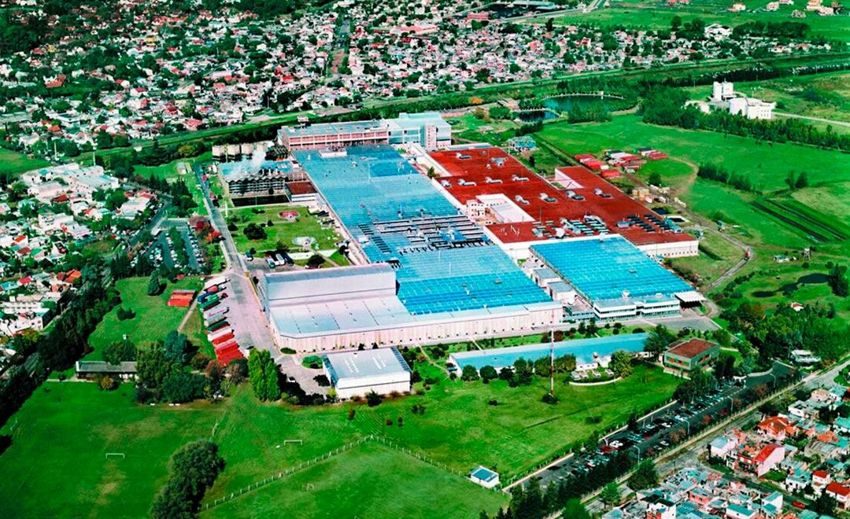
The most prominent case came earlier this year, when Fate, Argentina’s only domestic tire manufacturer, shut its San Fernando plant in February after 80 years and laid off 920 workers, citing falling sales and the opening of imports. Fate’s workers, joined by the tire workers’ union Sutna, the teachers’ union CTERA and the CGT labor federation, blocked the Panamericana highway during a national general strike.
Milei defended the closure at the time, arguing that keeping Fate protected meant forcing consumers to keep paying several times what equivalent tires cost in neighboring countries. He has since applied that reasoning to the wider wave of closures. “Companies disappear in the same way they appear, it’s a natural phenomenon,” he said.
Economy Minister Luis Caputo has made the same case for opening the economy to imports, saying it would be “immoral” for Argentines to keep paying far more for lower-quality domestically made goods. The government points to falling inflation, down to 33.8% year-on-year in July, as evidence its program is working. Unions and manufacturers argue the model is being built on the sector’s collapse.