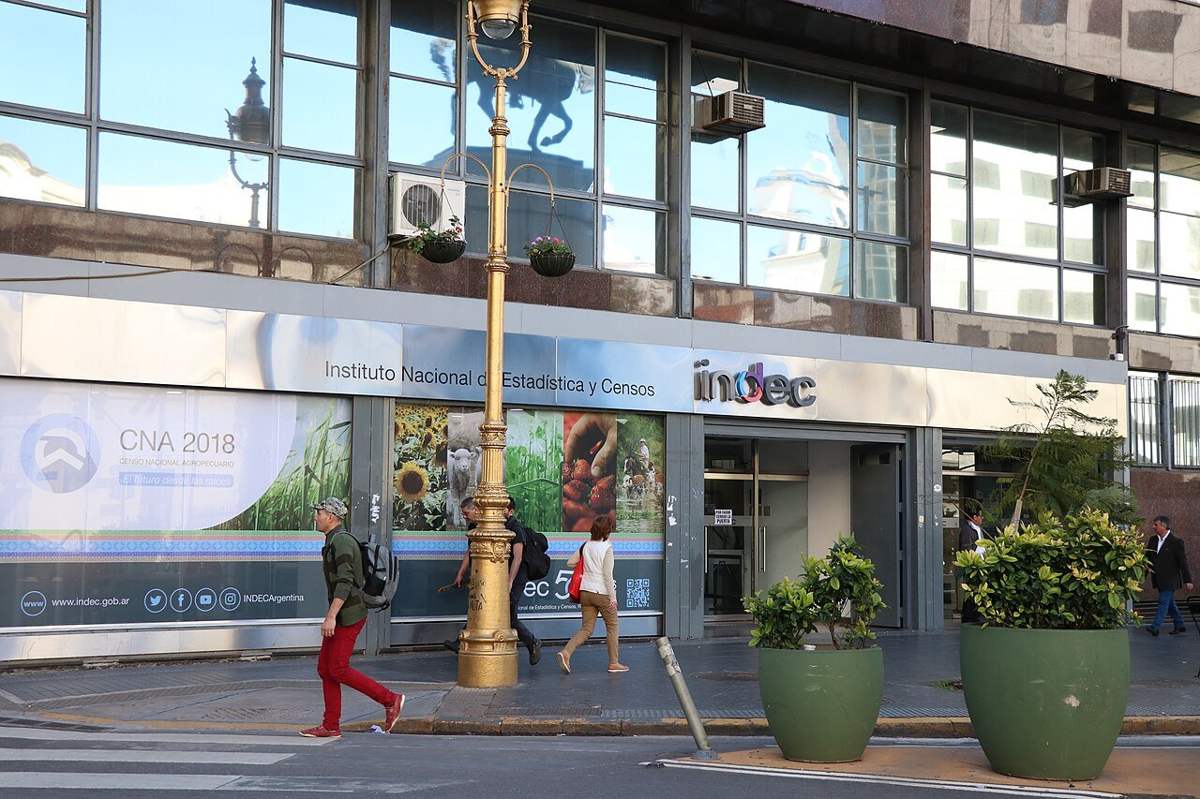
Poverty in Argentina rose to 32.3% of the population in the first half of 2026, up from 28.2% in the second half of 2025, the national statistics agency INDEC reported on Wednesday, the first increase since President Milei's program began pulling the rate down from its early-2024 peak.
Extreme poverty, which measures people whose income does not cover a basic food basket, rose to 7.5% from 6.3%. Extrapolated to the whole country, the figures mean roughly 2 million more people fell below the poverty line over six months, bringing the total to more than 15 million, according to estimates by Infobae and La Nación based on INDEC's survey of 31 urban areas.
The main driver was prices outpacing incomes. Per-capita household income grew 11.5% over the period, while the cost of the canasta básica total, the basket of goods and services used to set the poverty line, rose 19.6% and the food basket rose 21.4%. For households below the line, average income fell about 36% short of what the basket required.
Children were again the most exposed group: 44.5% of those aged 14 and under lived in poverty, up from 41.3%. Among regions, the Northeast was worst off at 41.5%, while Patagonia was lowest at 28.4%. The city of Concordia, in Entre Ríos, recorded the highest rate of any urban area measured, at 56.2%.
Economy Minister Luis Caputo emphasized the longer comparison. "Although poverty and extreme poverty rose 4.1 and 1.2 percentage points from the previous half, both rates show a sharp decline compared with the first half of 2024," he said, when poverty stood at 52.9% and extreme poverty at 18.1%. Economists cited by La Nación pointed to the acceleration of inflation between mid-2025 and March 2026 and weak growth in registered employment, echoing INDEC data released last week showing unemployment rising to 7.9% and informal work at an 18-year high.
The figures landed as Milei was in New York making the case for his economy to investors. "We don't see a problem with growth," he told Bloomberg News editor-in-chief John Micklethwait at the Economic Club of New York on Thursday, adding that the economy would expand "around 3%, or a little less" this year and had created 520,000 jobs, which he acknowledged were largely in the informal sector. He told the audience of bankers and investors that if his government is re-elected in 2027, "2028 will be the best economic year in Argentina's history."
The data give the opposition a fresh line of attack a year before the 2027 general election, and put more weight on the government's argument that the rise is temporary. The next reading, covering the second half of 2026, is due in March.