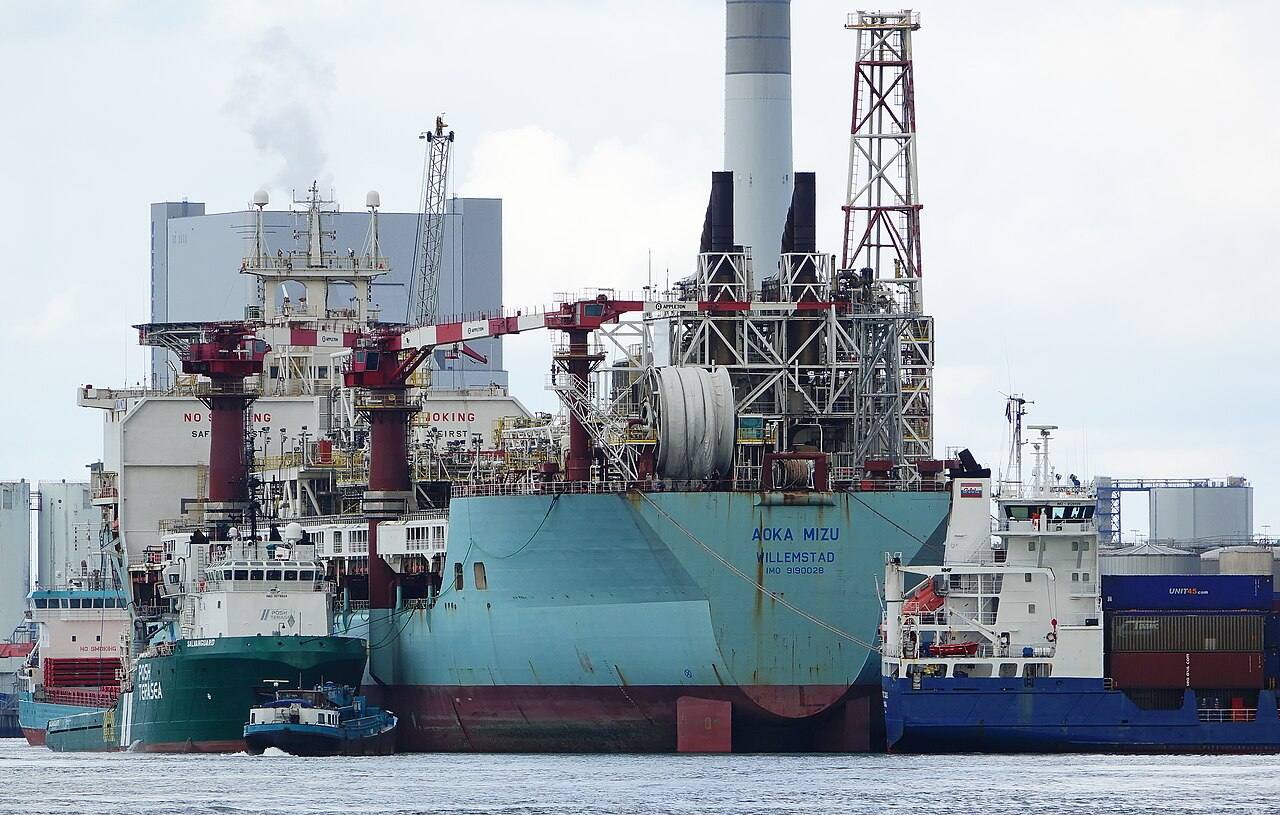
Halliburton, the US oilfield-services giant, said on Friday it will not work on the Sea Lion oil project or take part in oil exploration or production in or around the Malvinas (Falkland Islands).
In its statement, as reported by Reuters, the Houston-based company said Argentine federal authorities had raised questions about its possible involvement and about enforcement of existing and proposed legislation covering activity in the disputed territory. Argentine outlets reported that the decision covers all of its subsidiaries. Halliburton's Argentine unit had already stepped back from Malvinas oil work in early September, saying it was not involved in Sea Lion; the new statement extends that position to the parent company, according to BAE Negocios and MercoPress.
President Milei's government welcomed the move. A statement from the Office of the President called it "a new result" of Milei's measures and credited the Legal and Technical Secretariat and the Foreign Ministry. It said the government will keep using "legal, diplomatic and administrative" tools so that no economic activity there reinforces a position contrary to Argentina's.
The announcement fits a pattern. Argentina's Foreign Ministry sent warnings to about 180 oil-services firms, Argentine media reported, including that working with Sea Lion could cost them access to Vaca Muerta, and SLB and Baker Hughes had taken similar positions. None of the three was reported to have been part of Sea Lion, which is operated by Israel's Navitas Petroleum (65%) with Britain's Rockhopper Exploration (35%) under licences from the islands' government.
Separately, London restated its role in licensing. In a written answer to Conservative peer Lord Moynihan dated October 1, Foreign Office minister Lord Wood of Anfield said "any new hydrocarbons licences require the consent of the Secretary of State, who acts in accordance with applicable Falkland Islands legislation." The answer adds that the islands' government is responsible for hydrocarbon development and regulation, and that it followed its own legal processes on Sea Lion. The consent rule is existing law: Foreign Office minister Uma Kumaran told the Commons on September 15 that the Foreign Secretary acts under local legislation when deciding whether to consent to new hydrocarbons licences, and Moynihan's questions, tabled on September 17, themselves cite the existing consent role.
What London did not say matters for Sea Lion. The answer states that the UK does not comment on individual licences, and Sea Lion runs on existing licences, which the islands' government extended by five years last month, so the consent rule does not clearly reach it. Asked directly whether the Foreign Secretary, Ed Miliband, had consented to the project's development programme, the government gave the same answer without addressing the question.
Both moves land during a dispute that has escalated since Argentina launched Law of the Sea arbitration on September 28 and gave London two weeks to halt the project; London protested to Argentina's ambassador. The deadline falls in mid-October, and Milei's sovereignty bill, which would extend sanctions to all natural resources on the continental shelf, is still in Congress.