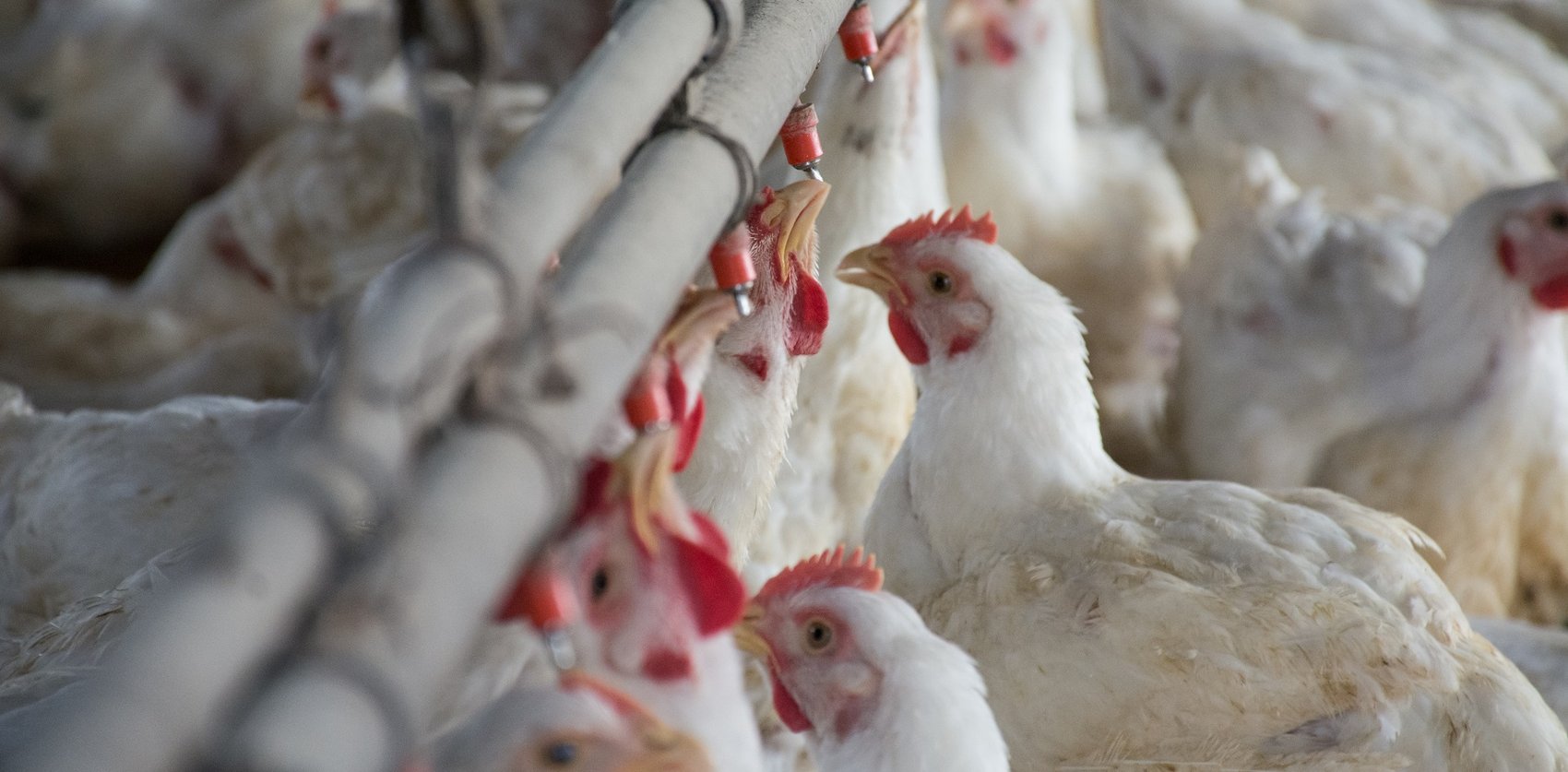
Chicken overtook beef in Argentine meat consumption for the first time in the Ieral research institute's figures: 47 kilos per person against 46.7 kilos over the 12 months to July. Ieral, the research arm of the Fundación Mediterránea think tank, measures apparent consumption, meaning production plus imports minus exports, not what households bought.
Price explains most of the switch. Over the past year beef rose 13.3% above inflation while chicken and pork fell about 4% in real terms, Ieral found, so a kilo of beef now buys about 3.6 kilos of whole chicken or 1.9 kilos of pork ribs. Pork also hit a record 20.1 kilos per person. Households did not eat much less meat overall: beef, chicken and pork together came to 113.8 kilos per person, 2% below the previous 12 months.
With one more month of data, the beef available for the home market fell to 46.2 kilos per person in the 12 months to August, the lowest since Ieral's series began in 1990 and 9% below the 50.8 kilos of a year earlier. Cattle slaughter fell 8.8% and beef output 6.2%, while exports per person rose from 18.6 to 19.4 kilos as the average export price climbed about 30%. Exports to the United States have nearly tripled this year.
Beef is no longer getting dearer every month. An 18-cut basket averaged 17,871 pesos per kilo (about US$11.80 at the central bank's official rate) in August, according to Ieral. That was 10.1% below the March peak after inflation, but still 13.3% above August 2025 and 30.3% above the average August of the past 20 years.
The "first time" depends on the series. The Agriculture Secretariat's figures for calendar 2025 still had beef ahead, at 49.92 kilos against 47.68 for chicken, and the gap in Ieral's data is only 0.3 kilos.
Ieral economist Juan Manuel Garzón told La Nación it is hard to say whether 46 kilos is the floor for beef, "but at these levels the demand constraint starts to play an ever stronger role."