

A rent that updates once a year under the central bank’s rental index rises 31.4% on November 1, and Buenos Aires city bus and subway fares go up 3.9% the same day.
The central bank publishes the index, known as the ICL, every day. It averages consumer prices and wages. Contracts that update once a year by this index, the formula the old rental law required before its repeal in December 2023, rise by the index’s change over the past year, so a contract with a November 1 anniversary pays that much more. Annual inflation was 33.4% in September, according to INDEC, the national statistics agency.
Newer contracts follow whatever formula landlord and tenant agreed. Those tied to inflation from INDEC rise 5.81% at a quarterly update, 7.82% at a four-monthly one and 12.95% at a six-monthly one, compounding INDEC’s monthly figures through September.
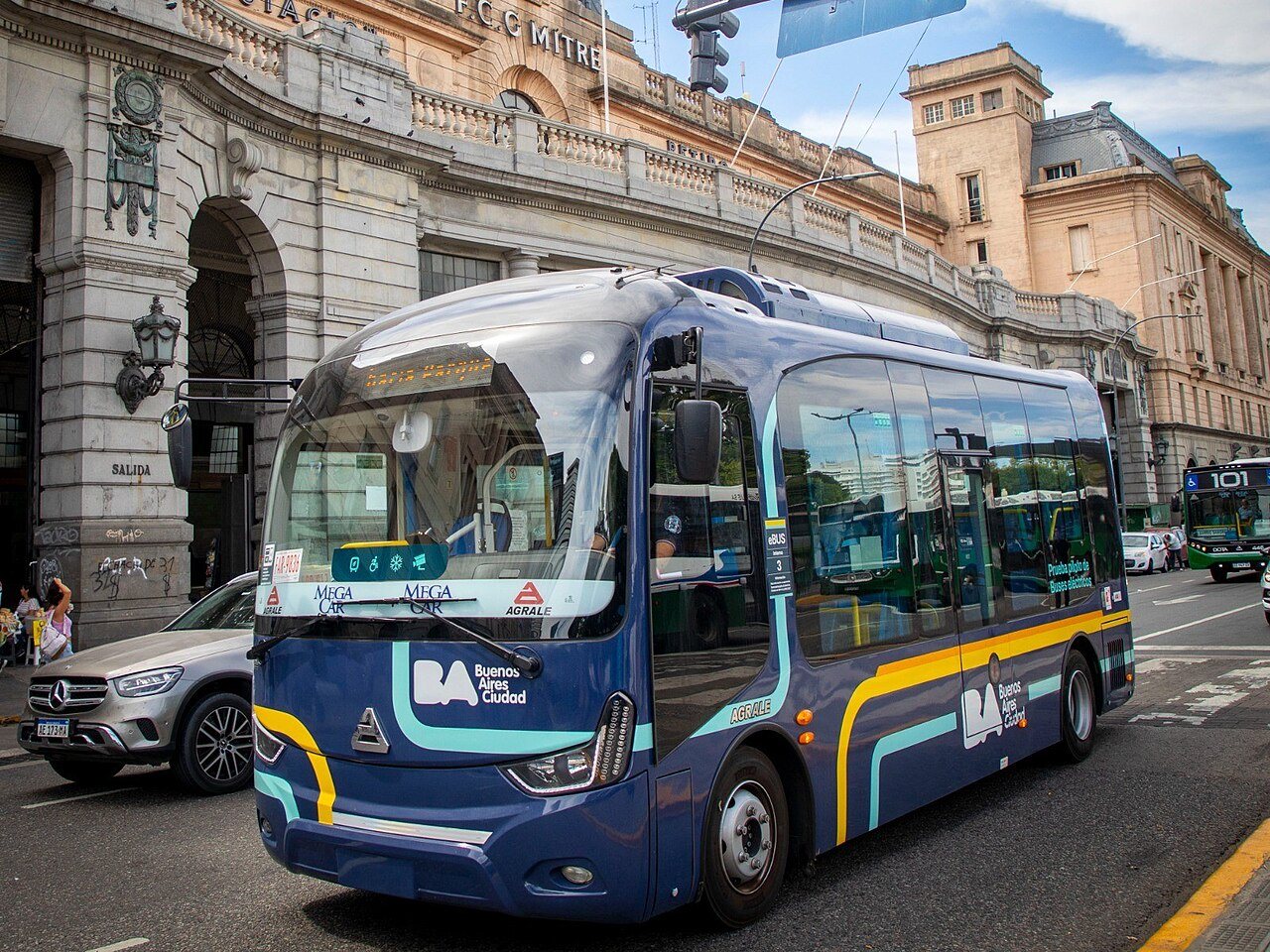
In the city of Buenos Aires, bus and subway fares rise 3.9% on Sunday. The city government raises them each month by INDEC’s latest monthly inflation, 1.9% for September, plus two percentage points, so the next increase will follow October’s figure.
With a registered SUBE transit card, the minimum bus fare, for trips up to 3 km, goes to about $957 (US$0.61) from $920.48.
Subsidised private schools in Buenos Aires province, which surrounds the capital but is separate from the city, may raise fees by up to 3% in each of November and December, after the province’s education authority approved it, the private-school association AIEPA said.