

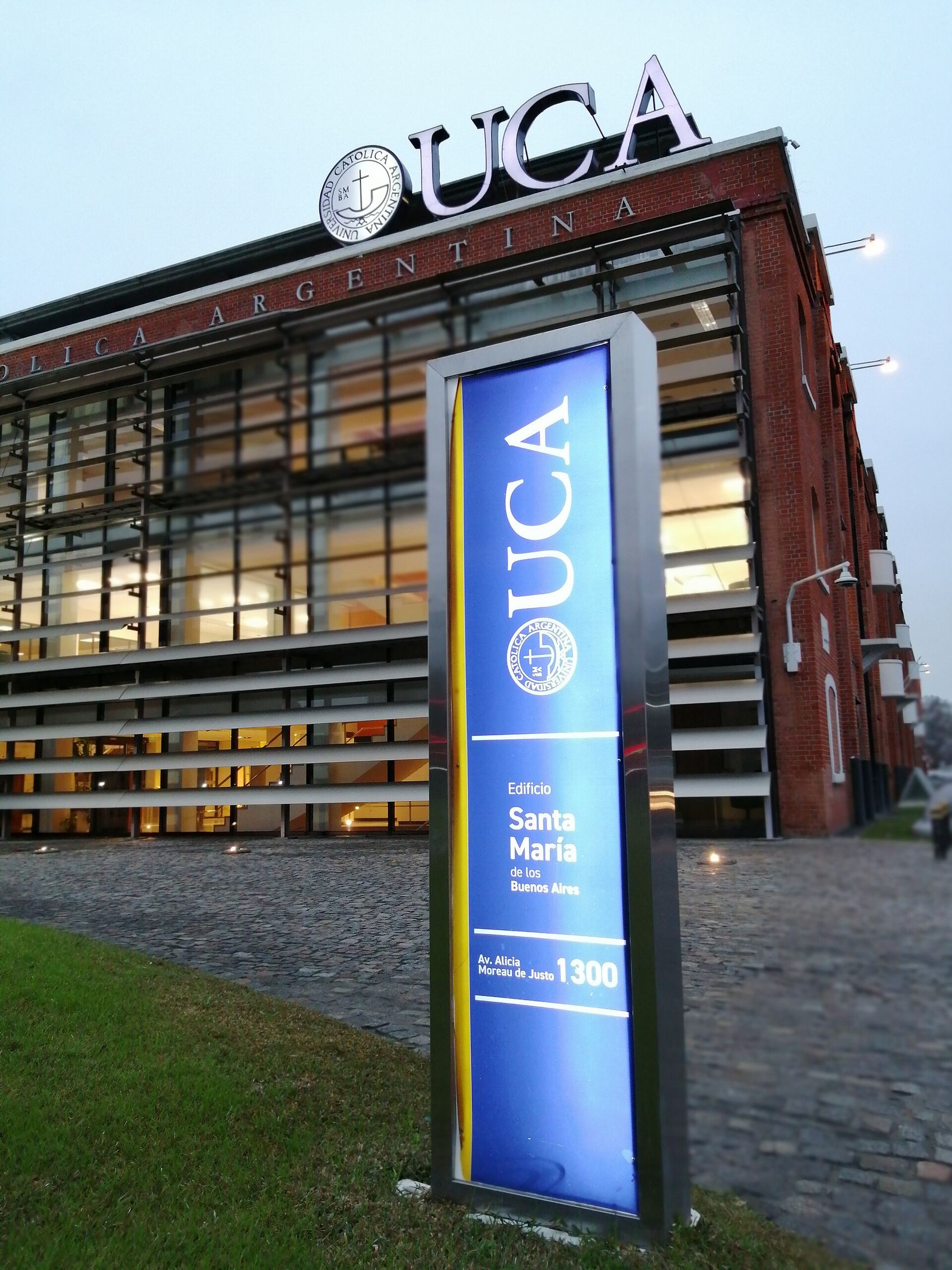
A study by Argentina’s Catholic University says poverty fell less than official data show: with updated measures of incomes and the cost of basic goods, it is about where it was in 2023, though still well below its 2024 peak.
The university’s Argentine Social Debt Observatory compared the official method with two alternatives. Applying the method of INDEC, the national statistics agency, to the agency’s own household survey, the observatory calculates poverty at 34.4% in the second quarter of 2026, against 41.3% three years earlier. INDEC’s own published figure, an average for the first half of 2026, is 32.3%.
The observatory’s alternatives adjust two things. With incomes corrected for what it says is a much better capture of household income by the survey since late 2023, and with the basket of goods that sets the poverty line rebuilt from a newer spending survey, it gets 37.5% under a moderate version and 42.4% under a stricter one. That leaves poverty about unchanged since 2023 in the first case and higher in the second.
The observatory says its figures are not definitive rates and are not meant to replace INDEC’s, and calls them sensitivity tests open to review. On its numbers poverty has fallen 10 or 8.6 points since the second quarter of 2024, against 16.6 points on the official measure, and rose over the past year on all three measures, the official one included. Researcher Alejo Giannecchini noted that Argentina’s poverty line is already high compared with other Latin American countries.
The researchers say the survey’s better income capture, shown by comparing it with social-security, pension and wage records, makes years before and after 2024 hard to compare. Agustín Salvia, the observatory’s director, said INDEC has stayed silent, under this government and the previous one, on changes to the questionnaire. They also say INDEC’s basket still rests on spending patterns from a survey more than 20 years old, and rebuilding it from a 2017-18 survey raises the cost for a typical Greater Buenos Aires household by 17% to 27%. That is the same survey the government had planned to use for a new inflation index it postponed.
The government counts the fall in poverty among the successes of its program. When INDEC reported that poverty rose to 32.3% in the first half, up 4.1 points from the previous half-year, Economy Minister Luis Caputo said it remained far below the 52.9% of the first half of 2024.
INDEC’s next poverty figures, for the second half of 2026, are due early next year.