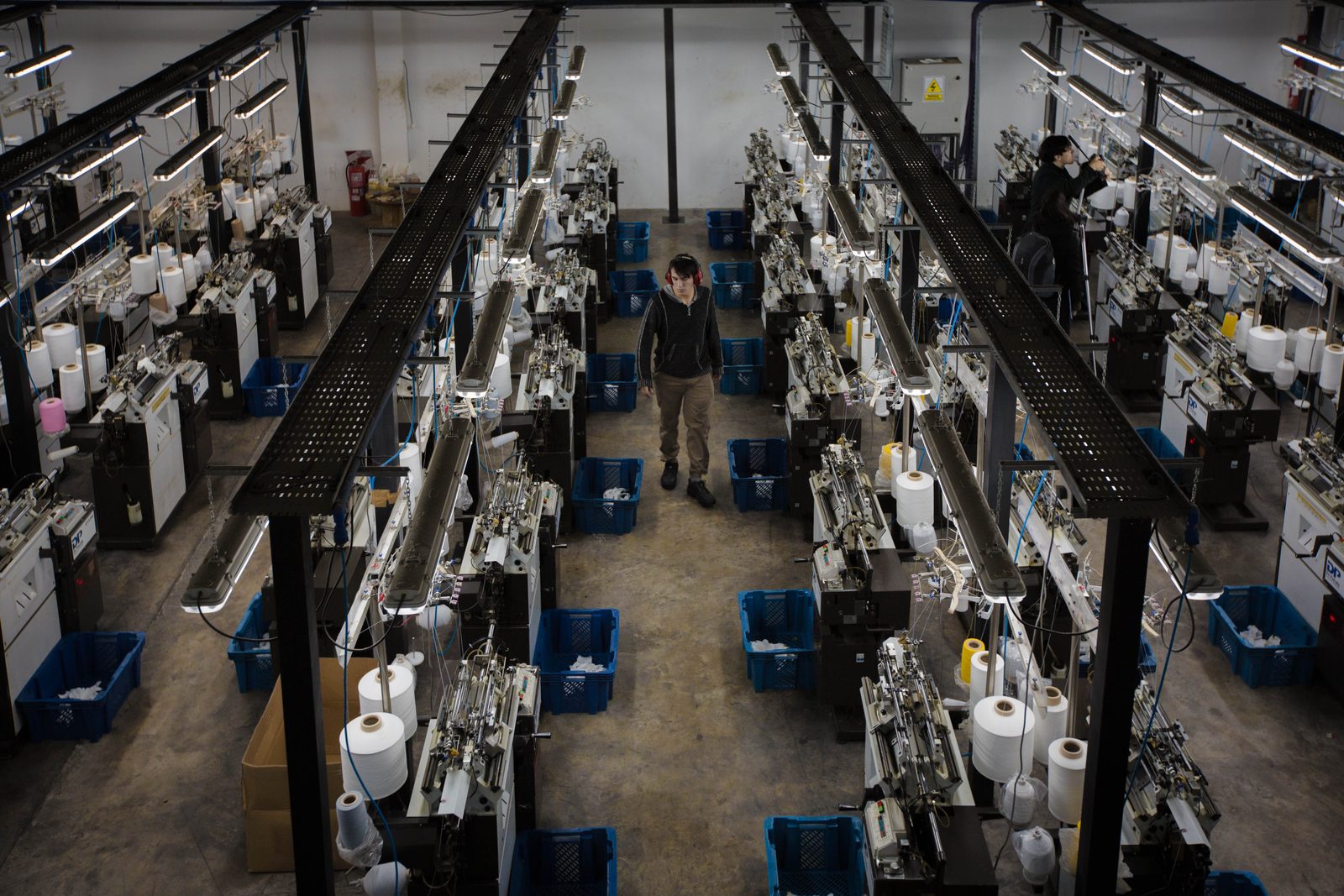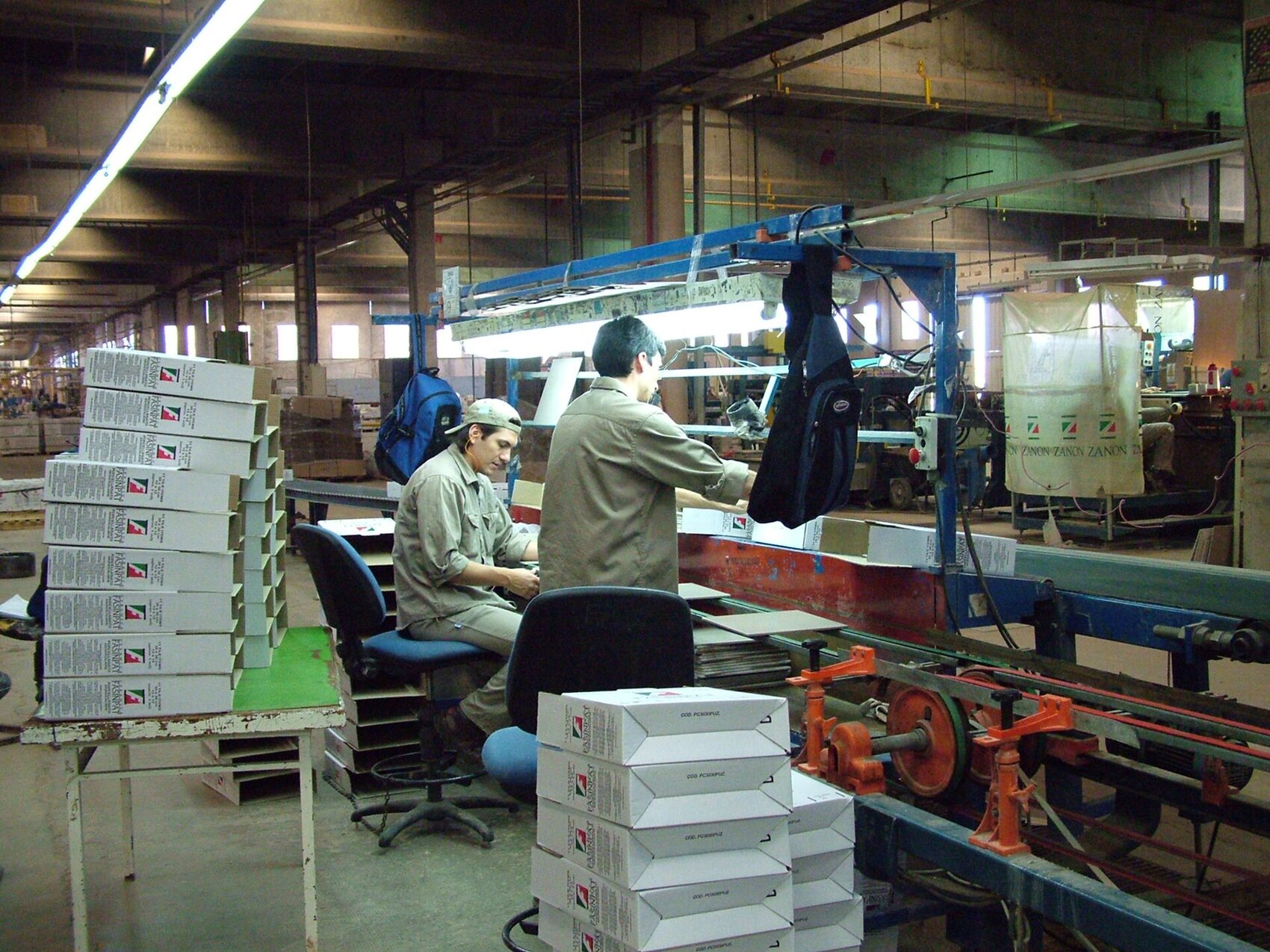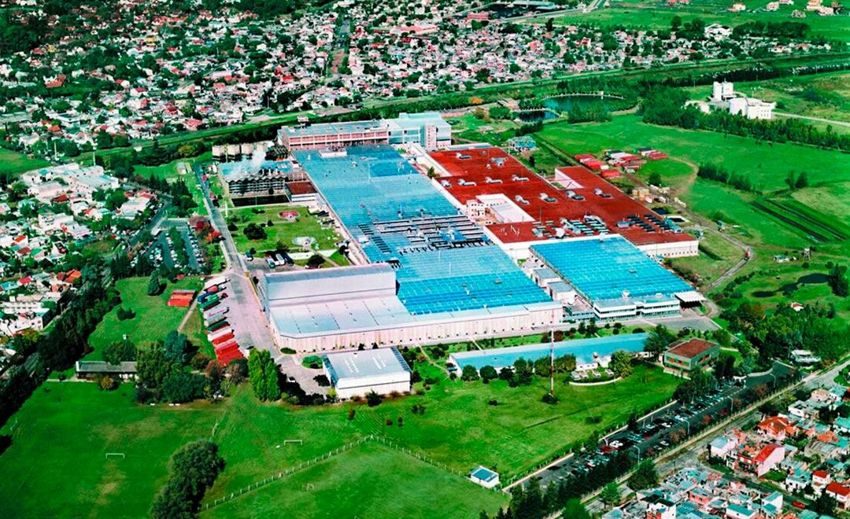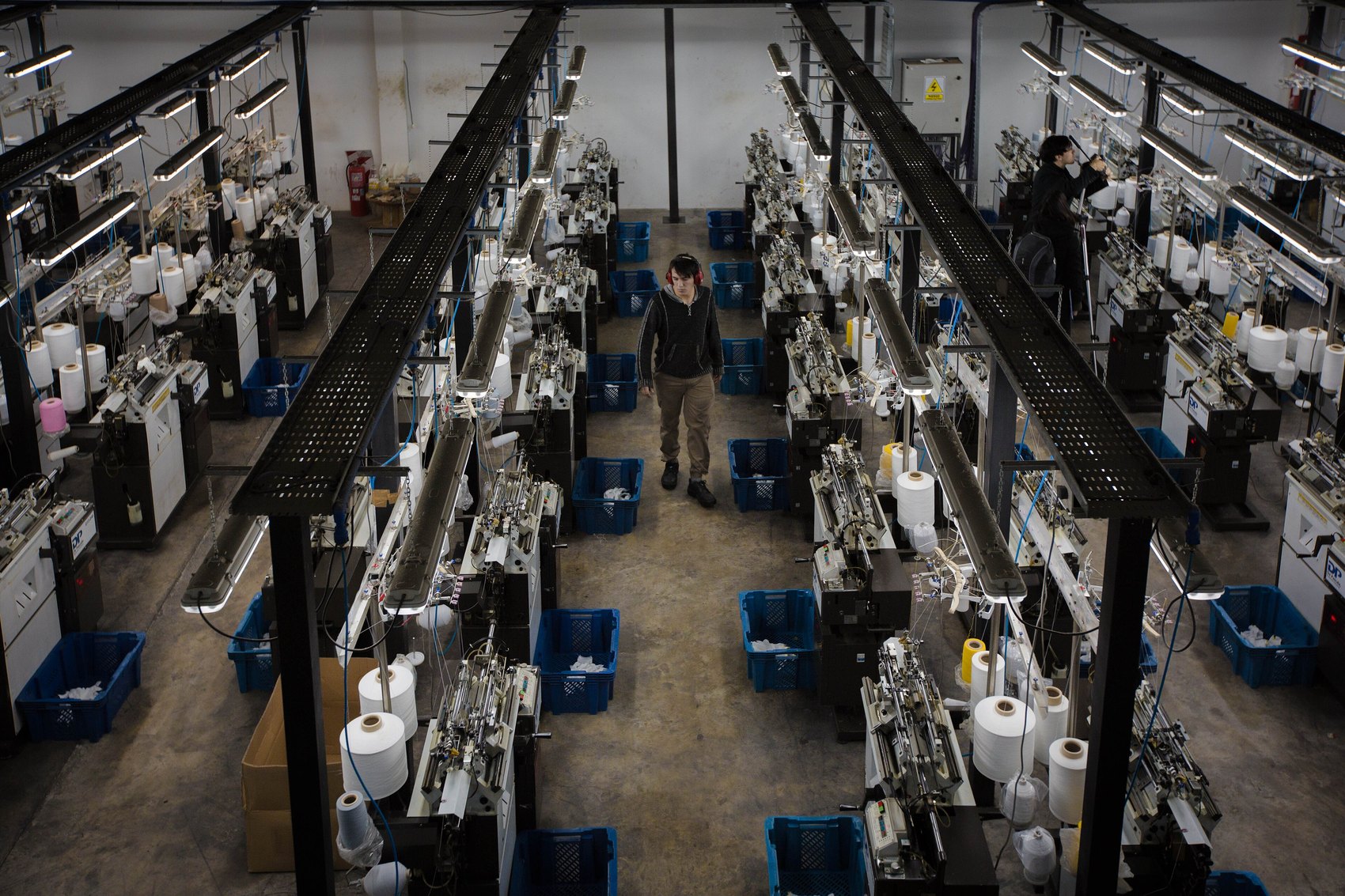
On many Argentine factory floors, the answer to a weak market has been fewer hours rather than fewer people. Small and mid-sized manufacturers, known as pymes, are cutting shifts and reorganizing production instead of laying workers off, according to data from CAME, the Fundación Observatorio Pyme, the consultancy Qualy and ManpowerGroup.
The scale of the strain is not in dispute. Industry as a whole has lost about 90,000 registered salaried jobs since August 2023, and roughly 50,000 of them were at small and mid-sized firms, by industry estimates. Employment at those firms has fallen 15% over that stretch, nearly double the 8% decline across all of industry. About 70% of what industrial pymes produce is sold inside Argentina, according to CAME, so they depend more than exporters on a domestic market that has been slow to recover.
What the newest figures show
They point in two directions. INDEC reported that manufacturing output rose 1.9% in August from July, but it was still 3.2% below August 2025 and 2.7% lower over the first eight months of the year. The August gain followed a steep July fall, and the year-on-year decline was broad: 11 of INDEC's 16 manufacturing divisions produced less, led by machinery and equipment (down 24%) and clothing, leather and footwear (down 14.7%).
For smaller firms specifically, CAME's industrial SME index fell 3.9% year on year in July, the latest month it has published. Economy Minister Luis Caputo pointed to the monthly rise and attributed part of the year's weakness to temporary shocks in July.
Two readings of the same trend
The firms and analysts who follow the sector draw different conclusions. A ManpowerGroup survey found that 42% of small firms and 46% of medium-sized ones plan to keep their staffing unchanged through the end of the year, and its net employment outlook improved for both groups. Pablo Dragún of the Fundación Observatorio Pyme sees the same behavior as a first stage: in his view, companies try to avoid dismissals for as long as they can, and cuts would move from hours to suspensions and only then to layoffs. The Observatorio's survey for the second quarter found production at industrial SMEs down 11% from a year earlier and employment down 4.5%.
Qualy's director, Anastasia Daicich, described the pattern as firms holding on until falling sales and delays in the payment chain no longer let them. Some companies are reducing hours and shift schedules, and some are turning to equipment repair and maintenance work to keep revenue coming in.
What to watch
Shorter shifts keep people on payrolls and keep skills inside the plant, but they do not by themselves restore the sales that fund those payrolls. Whether this is a bridge to a recovery in domestic demand or a stage before further cuts is something the next releases should show: CAME's SME index for August and September, INDEC's September output figures, and the Observatorio Pyme's third-quarter survey. Both readings fit the numbers so far.