Argentina has about 292,000 fewer registered private-sector employees than it did three years ago, and the loss reaches 21 of 24 provinces, counting Buenos Aires city, according to The Ushuaia Times’ analysis of social-security records published by the Labor Secretariat. Registered private employment stood at 6.38 million in July 2023 and 6.08 million in July 2026, a drop of 4.6%.
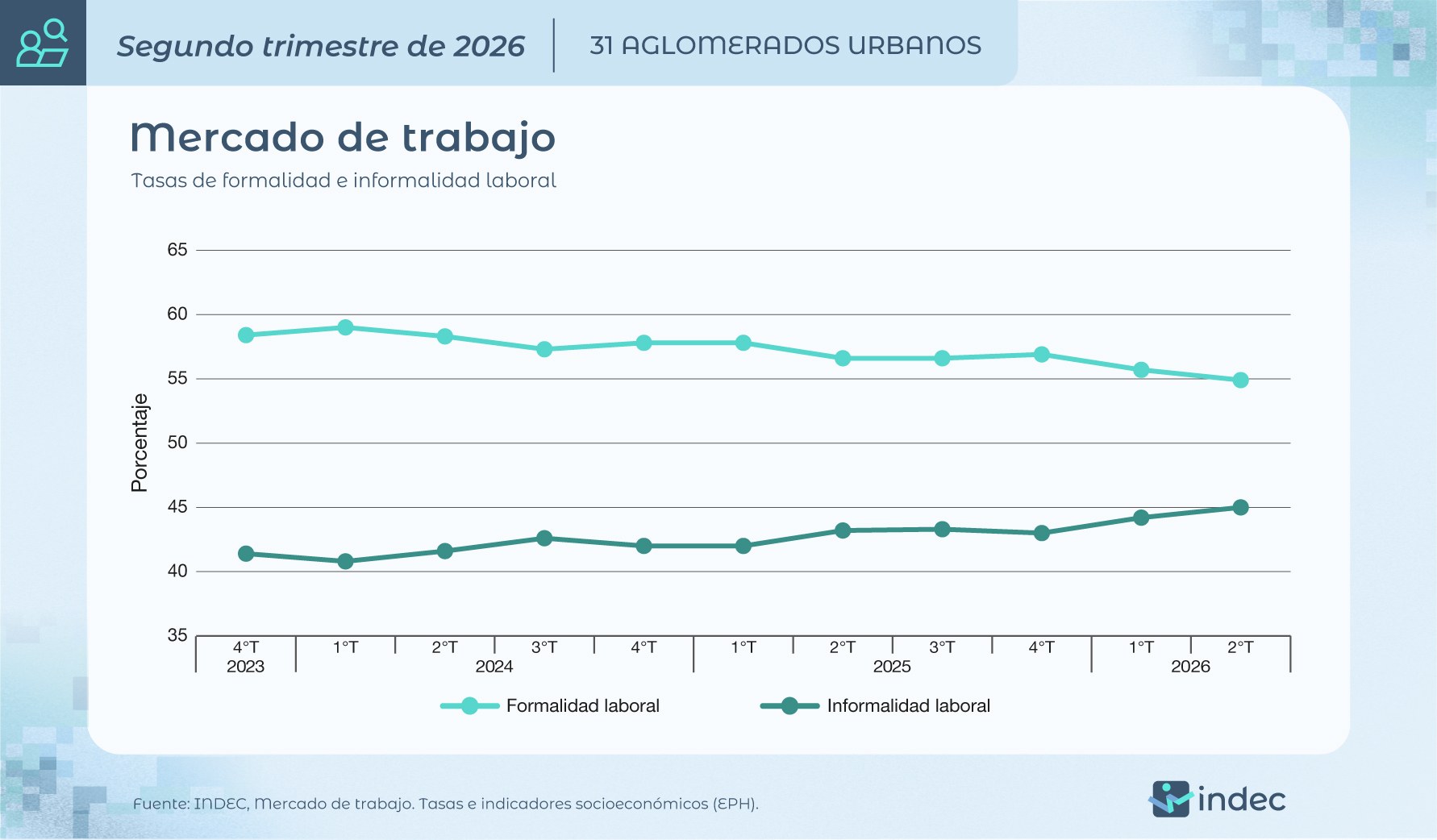
A registered job is one declared to the social-security system, with pension contributions, health coverage and legal protections. The count covers private employees only. It leaves out public workers, domestic workers, the self-employed and anyone working off the books. Our stories on the latest monthly decline and on rising informality cover the past year; this analysis looks back three.
Where the losses are
Buenos Aires province lost 105,700 registered private jobs (5.3%) and Buenos Aires city 43,600 (2.9%). Together they account for about half of the national loss. In percentage terms the south and the north were hit hardest: Tierra del Fuego lost 21.0% of its registered private jobs (8,200), and Formosa and Santa Cruz each lost 18.4%. Six more provinces lost between 10% and 15%: La Rioja, Chaco, Santiago del Estero, Misiones, Chubut and San Luis.
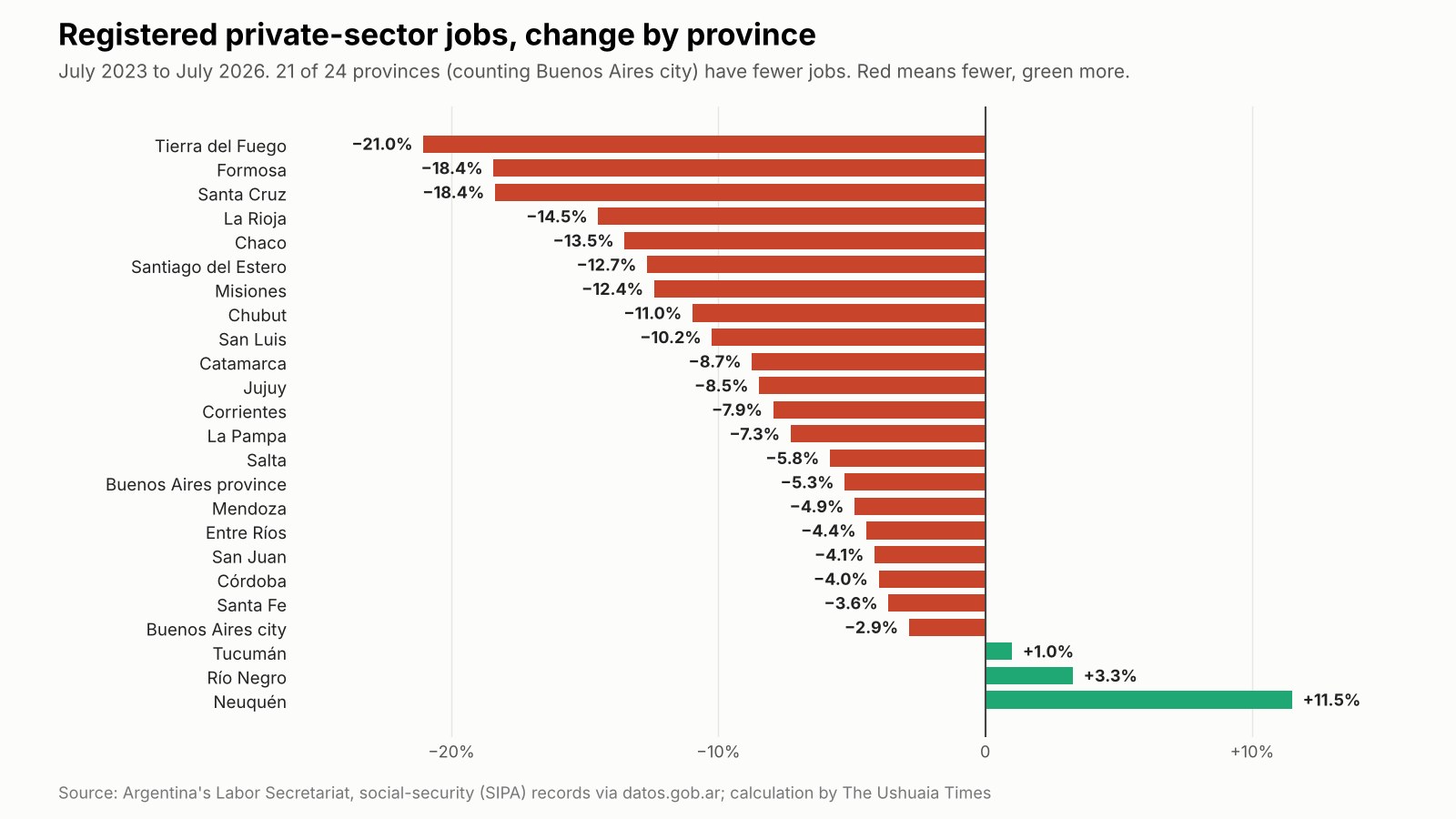
Three provinces gained. Neuquén, which includes the Vaca Muerta shale field, added 16,100 jobs (11.5%), Río Negro 3,600 (3.3%) and Tucumán 1,700 (1.0%).
Construction and factories
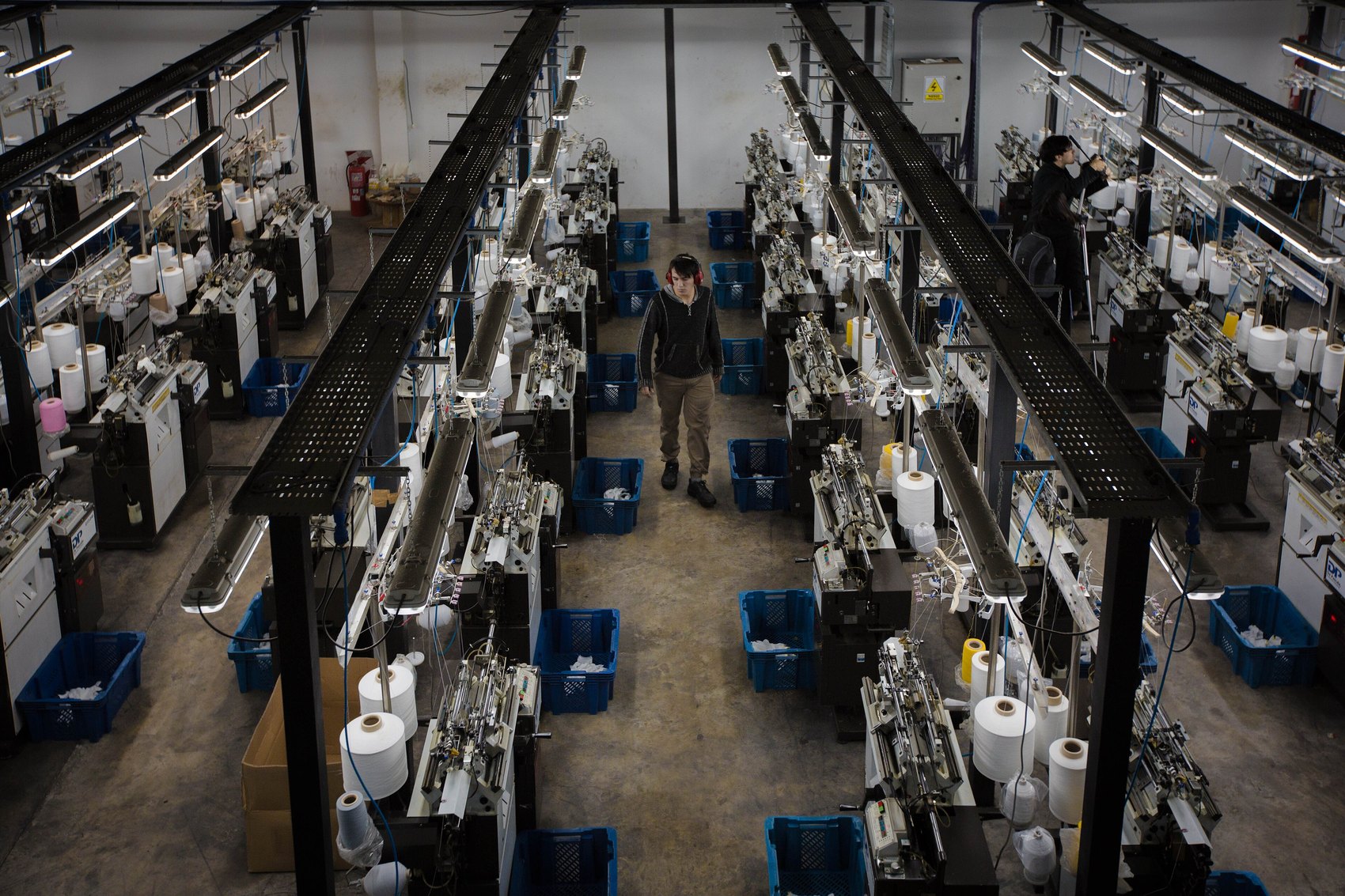
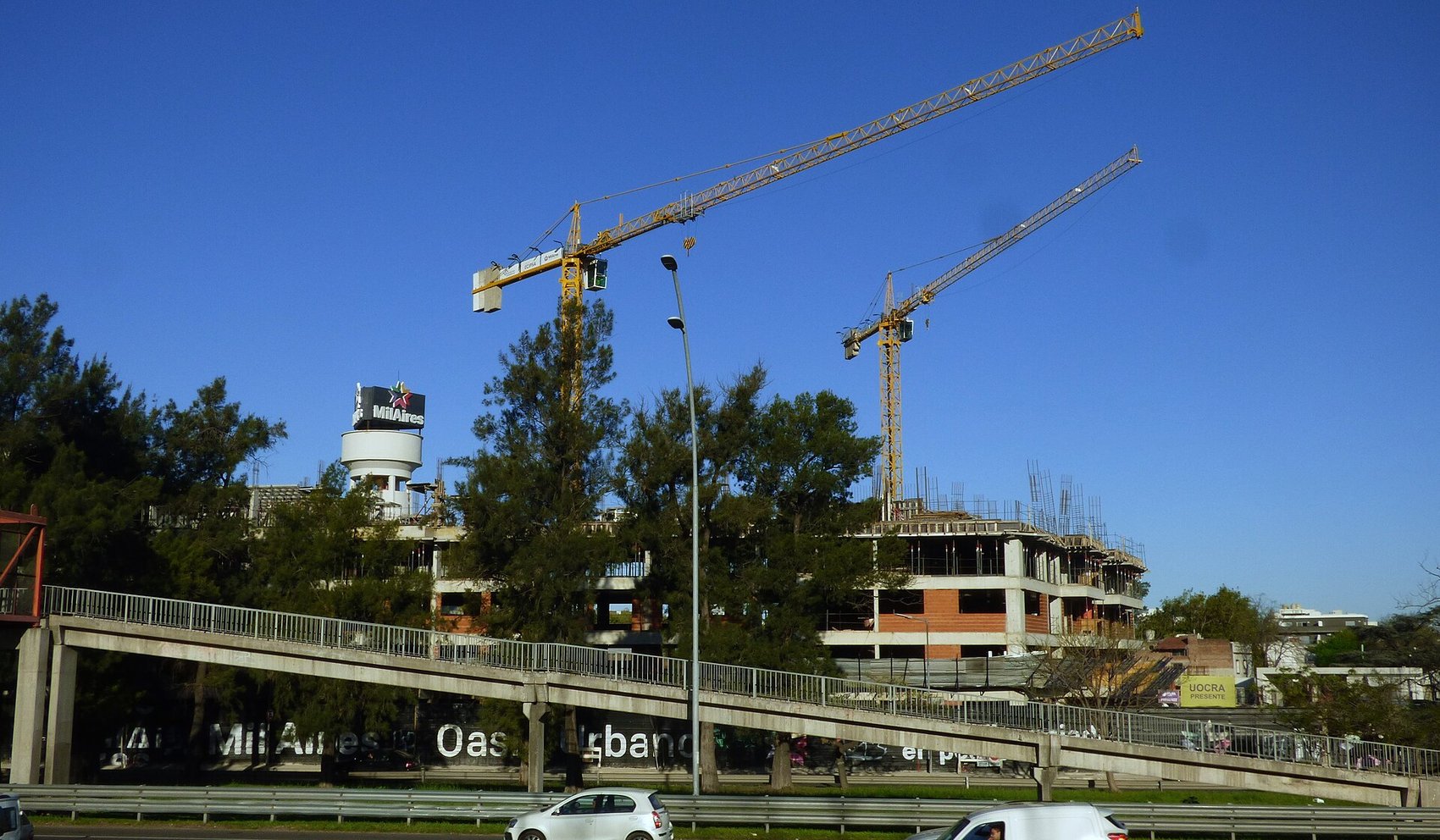
Sector figures run through June. Between June 2023 and June 2026 registered private employment fell 257,000 (4.0%). Construction lost 92,500 jobs (19.8%) and manufacturing 88,900 (7.5%), together about 70% of the loss. Agriculture added 9,700 (3.1%), while commerce and education were flat.
Some work moved to self-employment
Registered work is not the whole labor market. Over the same three years the number of registered self-employed workers in the monotributo, the simplified tax regime for small independent workers, rose 219,000 (11.0%) to 2.21 million, and public-sector employees fell 71,600 (2.1%). The Monotributo Social, a subsidized registration for low-income workers, fell 62% to 227,000. Counting every registered category except that one, the number of registered workers fell 150,000, or 1.2%.
The records show how many registered jobs exist, not why they disappear. They do not show whether people who left salaried jobs became self-employed, moved to informal work or stopped working.
How we did this
We compared each province’s registered private employment in July 2023 and July 2026 in the Labor Secretariat’s series, which is not adjusted for seasonality, so the same month is compared in both years. Sector and category figures compare June 2023 with June 2026, the latest month with that detail.