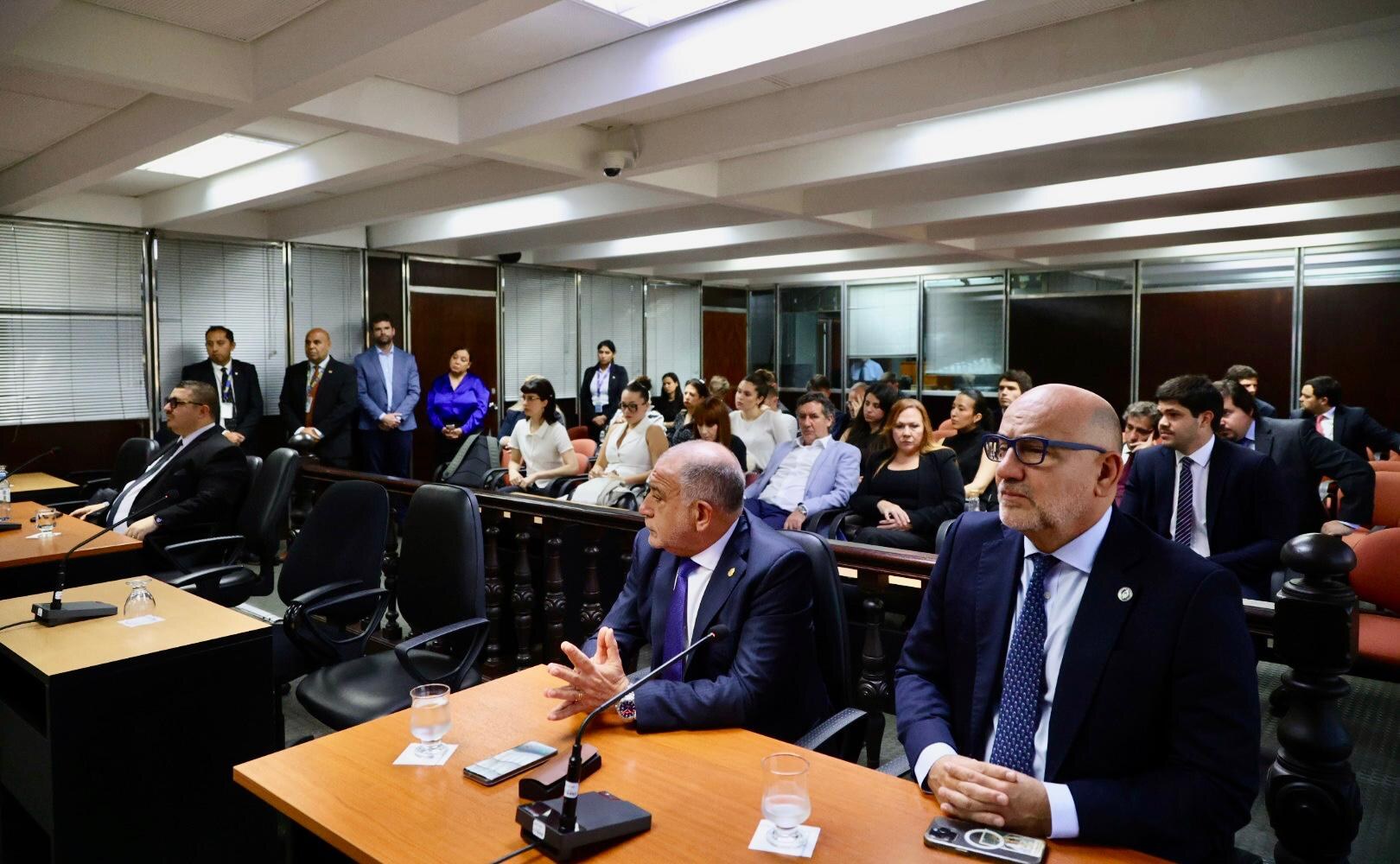
Argentina’s Supreme Court ruled on Thursday that a state regulator keeps its oversight powers over the Argentine Football Association (AFA), setting aside a lower-court ruling that had put the body beyond its reach.
The regulator is the Inspección General de Justicia (IGJ), the Justice Ministry’s watchdog for companies and nonprofit groups registered in Buenos Aires city. In June, a civil appeals court let AFA move its legal address to Pilar, a city in Buenos Aires province, treated its registration with the IGJ as cancelled and annulled the Justice Ministry’s order to send outside monitors to audit AFA’s books for 180 working days. The Court’s three justices found that ruling too flawed to stand. They said the move is not complete until the IGJ cancels the registration, which it had refused to do, so the IGJ keeps its powers. They did not rule on whether the province’s own registration is valid.
The Criminal Cases
The justices also decided that two criminal investigations into AFA’s accounts and overseas income stay with ordinary criminal judges in Buenos Aires city. They rejected a request from Adrián González Charvay, a federal judge in Campana, a city north of the capital, who sought to take the cases over because he is investigating a Pilar estate attributed to AFA’s treasurer, Pablo Toviggino. The Court followed the opinion of Attorney General Eduardo Casal, who heads the prosecution service. A separate appeal over which court handles the Pilar estate case, now in Campana, is pending before the Court, where Casal has backed moving it out of Campana.
The complaints, filed by businessman Guillermo Tofoni, name AFA president Claudio “Chiqui” Tapia, Toviggino and other officials. They allege that income from AFA’s contract with TourProdEnter, a US company that acts as its exclusive commercial agent, was left off the association’s books, and that money was diverted. Neither man has been convicted.
The Financier
On Friday, federal judge Juan Tomás Rodríguez Ponte of Lomas de Zamora, south of the capital, formally charged financier Maximiliano Ariel Vallejo, known as Ariel, with leading a criminal group that laundered money and evaded taxes through his Sur Finanzas group of currency exchange offices, loans and a digital wallet. A formal charge is the step before a possible trial. The judge ordered pretrial detention, which Vallejo will serve at home with an ankle monitor, and an embargo, a court freeze on assets, of 40,000 million pesos (about US$26 million at the central bank’s Nov. 5 rate).
Seventeen other people and nine companies were also charged, and asset freezes across the group total 215,900 million pesos. Argentine news reports describe Vallejo as close to Tapia, and Sur Finanzas lent money to and sponsored football clubs; the judge awaits a technical report on those loans and sponsorships. Tapia is not among those charged in this case. Vallejo has denied running an illegal currency network, saying his exchange offices operated legally under the currency controls.
The ruling cites chats around the Dec. 1, 2025 police raid on Sur Finanzas in which staff discuss pulling cash out of branches, disconnecting programs on cashiers’ computers at about 2 a.m., hiding three vans and wiping a computer. The judge describes a protocol of deleting records and hiding cash, vehicles and computers. The staff involved denied wrongdoing in court filings, and people close to Vallejo denied that he gave such orders.
What Comes Next
The outside monitors are unlikely to return before 2027, La Nación reported. The Court sent the oversight case back to the civil appeals court, which must issue a new ruling before the Justice Ministry can again send the two monitors it named in March to audit AFA’s books for 180 working days. Senior Justice Ministry sources said the minister wants to send them now but must wait for the courts, and people in the courts expect the new ruling, a January judicial recess and possible AFA appeals to push the audit into 2027.
On Friday, Judge Paula Petazzi, who is investigating the fraud complaint against AFA’s leaders, ordered that the United States be asked for corporate and bank records on TourProdEnter and three other firms, and for bank-account details and US criminal records on Tapia, Toviggino, Javier Faroni, the businessman behind TourProdEnter, and his wife, the newspaper reported. The request cannot go out until the prosecutor completes formal requirements, which she has five working days to do, and replies from US authorities can take months.