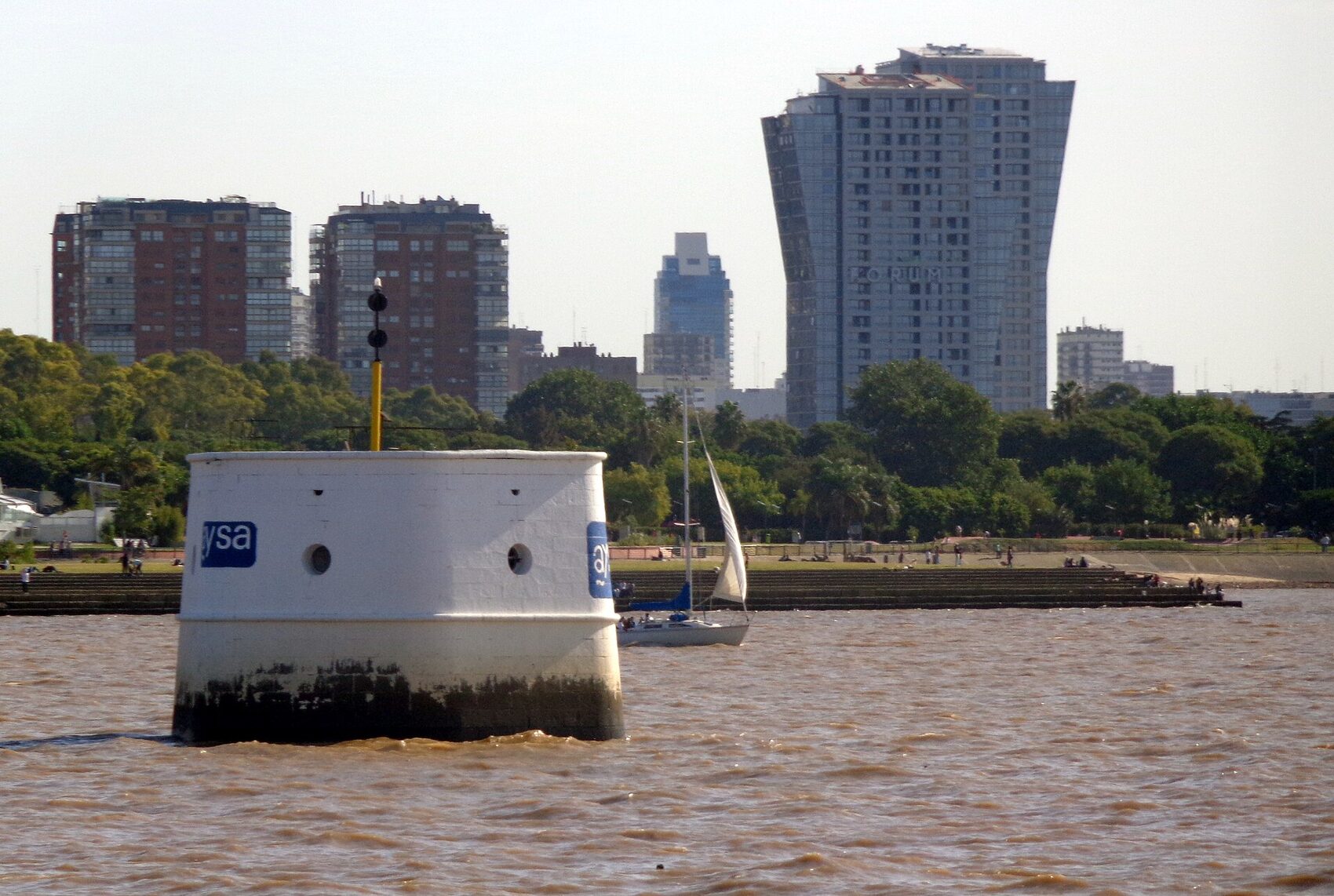
A consortium led by the construction firm Rowing bid US$340.2 million on Thursday for 90% of AySA, the state water and sewage company, in sealed offers opened by the Economy Ministry.
The only rival offer, US$285 million from a group led by the Roggio family's Córdoba-based firm, was 16% lower. AySA supplies water and sewers to about 14 million people in Greater Buenos Aires. The sale had no minimum price and both groups had already passed the technical review, so the price alone decides the winner. The winner would hold a 30-year concession, extendable by 10 years, returning the water network to private hands for the first time since the state took it back in 2006.
For residents, the investment plan and the tariff framework were fixed in the tender rules, so bidders competed only on what they would pay the state. The winner must invest about US$2 billion in the first five years and up to roughly US$15 billion over the concession, and reach 90% water coverage and 75% sewer coverage by the end of the contract.
The offer fell short of what the government wanted. La Nación put the Economy Ministry's estimate at about US$450 million, which makes the top bid 24% lower; other outlets cited expectations of up to US$500 million.
The winning group pairs Rowing, founded by the businessman Walter Román, with Transclor, owned by Mauricio Filiberti, and Brazil's Arcos Saneamento, which runs the water service in Rio de Janeiro, plus PHX Aqua, a Netherlands-based investment vehicle. Transclor has been AySA's sole supplier of the chemical it uses to purify water since 2009. Filiberti also controls Edenor, Argentina's largest electricity distributor, with Daniel Vila and José Luis Manzano, and AySA is the metropolitan area's biggest electricity consumer.
The government still has to formalize the award after a period in which the result can be challenged, and the contracts must then be signed. A separate process is already running: the water regulator has called a public hearing for October 26 on AySA's proposal to redraw the zone coefficients that set bills. Under that proposal, about 60% of residential users, roughly 2 million households, would pay more, by 22.6% on average, while 20% would see bills fall by 14.7% and 20% would see no change.