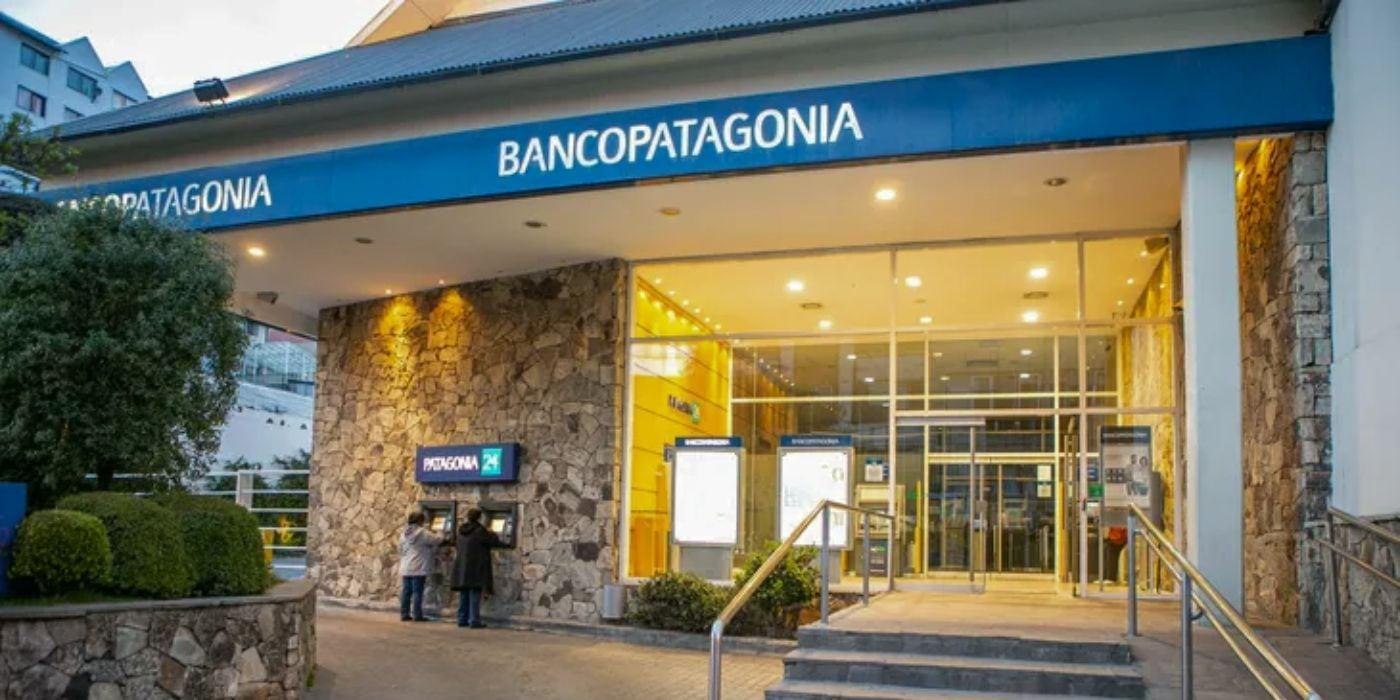
Banco Patagonia has agreed to absorb 28 bank branches and roughly 200,000 retail customers from a competitor, Banco Industrial (Bind), in a deal market analysts value at close to US$60 million, one of the more significant bank-consolidation moves in Argentina this year.
The agreement, announced August 28, hands Banco Patagonia branches across the city and province of Buenos Aires, Cordoba, Santa Fe and Tucuman, along with more than 700 employees. It pushes the bank's network to 228 branches and its total customer base to roughly 1.2 million, while Bind keeps a single office in downtown Buenos Aires and narrows its focus to corporate and business-to-business banking, including services for fintech companies.
The Pension Book
The most valuable asset in the deal is not the branches themselves but a captive customer base: 396,307 retirees who receive their pension payments through Bind. Banking-sector analysts describe pension accounts as unusually stable, low-cost deposits that create a natural opening to sell additional products such as fixed-term deposits, personal loans, credit cards and insurance.
Neither bank has disclosed official financial terms. Market estimates cited in Argentine financial media put the price near US$60 million, based on a rough valuation of US$1 million to US$2 million per branch plus a per-customer fee that runs higher for working-age clients than for retirees.
Bind's president, Andres Prida, framed the sale as part of a strategic pivot rather than a retreat, saying the bank was "accelerating a transformation to be simpler, more technological and scalable" as it redirects resources toward corporate clients and its digital banking-as-a-service business. In its own statement, Bind said Banco Patagonia has the scale and backing to grow the retail portfolio further.
Regulatory Path
The transaction still needs sign-off from the Central Bank, the CNV securities regulator and Argentina's antitrust authority, with the banks targeting full implementation by January 2027. Banco Patagonia is 80% owned by Brazil's Banco do Brasil, making the deal another step in the foreign-backed consolidation of Argentina's mid-sized banking sector, where smaller lenders have increasingly found retail branch networks too costly to sustain on their own.
For customers, the practical effect is a change of bank card and login rather than a change of branch location in the near term: the 28 offices are expected to keep operating under the Banco Patagonia brand once the transfer is complete, giving the bank a larger footprint just as pension-linked deposits become a more prized asset in a market still working through high inflation and thin margins.