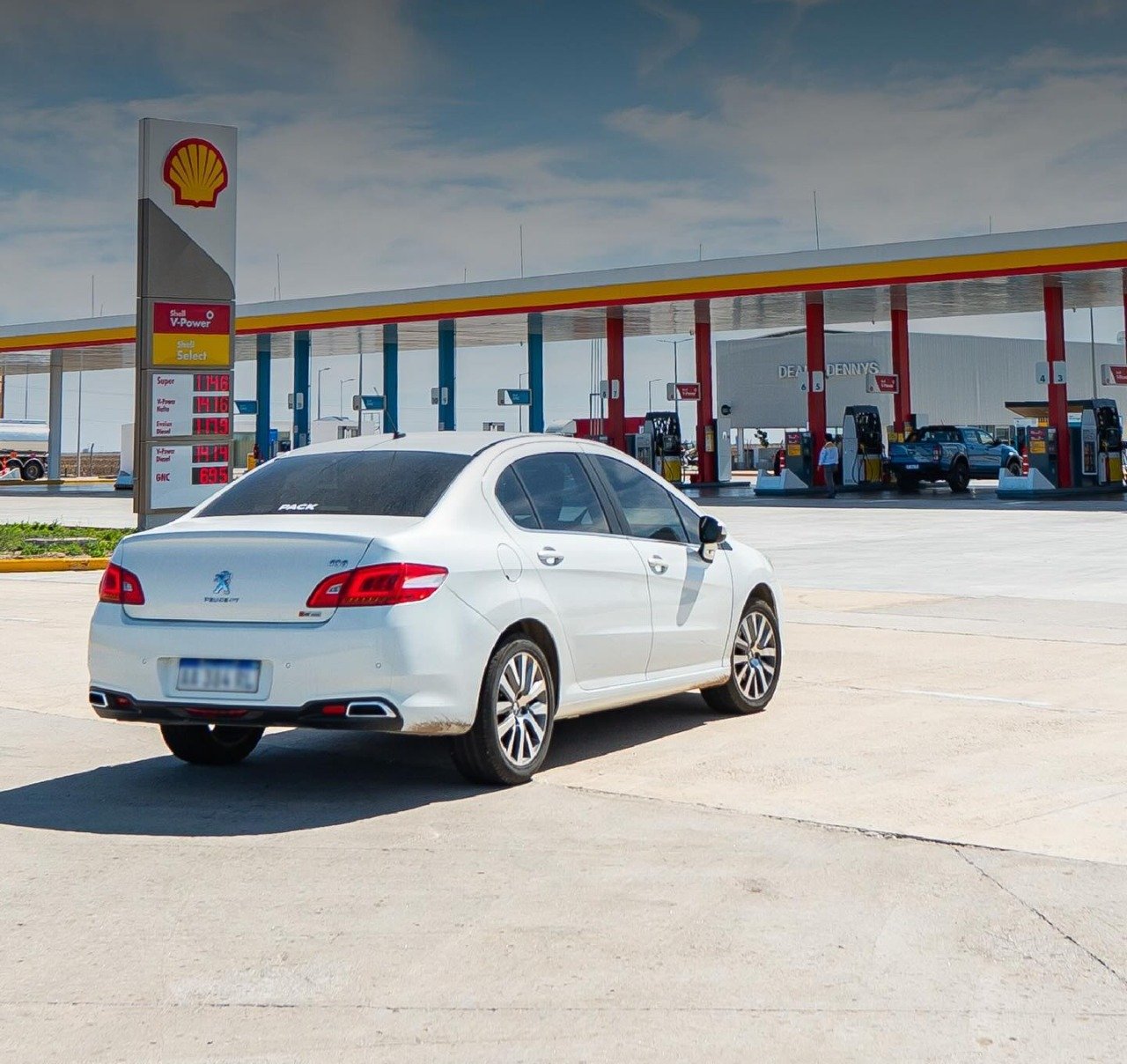
A Swiss commodity trading house has completed one of the largest energy-sector acquisitions in Argentina this year, closing a US$1.42 billion deal for the local Shell-branded fuel business that Brazilian joint venture Raizen had run in the country. Mercuria Energy Group, partnered with Argentine businessman Jose Luis Manzano's Integra Capital, took over Raizen's entire Argentine downstream operation in a transaction signed in June and formally closed on September 1.
The assets changing hands are significant to Argentina's fuel supply chain. They include the Dock Sud refinery, which alone accounts for about 14% of the country's total fuel output, along with 894 Shell-branded service stations representing roughly 17.9% of the national retail fuel market. The package also covers a lubricants manufacturing plant, fuel terminals in Arroyo Seco and Santa Fe, and airport fueling operations at Buenos Aires's two main airports, Ezeiza and Aeroparque.
For Raizen, a joint venture between Brazilian conglomerate Cosan and Shell that spans sugar, ethanol, fuel distribution and bioenergy across several countries, the sale is part of a broader retreat aimed at shoring up its finances at home. The company has said the deal reflects a strategy of "optimizing its asset portfolio, simplifying its operational structure and disciplined capital allocation," and proceeds are earmarked to help fund what is described as Brazil's largest out-of-court debt restructuring, covering roughly 65 billion reais in obligations. Raizen's shares have fallen 68% so far this year, with leverage peaking at 5.3 times net debt to EBITDA before the restructuring push.
On the Argentine side, the buyers bring a mix of international trading muscle and local political and business connections. Mercuria is one of the world's largest independent energy and commodity trading firms, while Manzano is a well-known Argentine investor with a long history in energy, media and infrastructure. Their joint vehicle, Integra Capital, now controls a fuel retail network that puts it in direct competition with YPF, Argentina's dominant state-controlled energy company, as well as with Shell's other regional operators and Axion, in an Argentine downstream fuel market that has been consolidating for several years.
The deal is also notable for what it signals about Shell's own footprint in Argentina. Although the stations will continue operating under the Shell brand for now under a licensing arrangement typical of these transactions, actual ownership and operational control has passed entirely to the Mercuria-Manzano venture, following a pattern seen elsewhere in Latin America as global oil majors sell downstream retail assets to regional and local operators while retaining brand licensing revenue rather than direct ownership.
With the deal now closed, attention turns to how the new ownership manages a network that supplies close to a fifth of the fuel Argentine drivers buy at the pump, at a moment when the country's energy sector is also absorbing a wave of investment tied to Vaca Muerta shale development and new LNG export infrastructure. A change of this scale at the retail and refining level, coming from an owner with deep domestic political and business ties, is likely to draw continued scrutiny over pricing, supply reliability and market concentration in the months ahead.