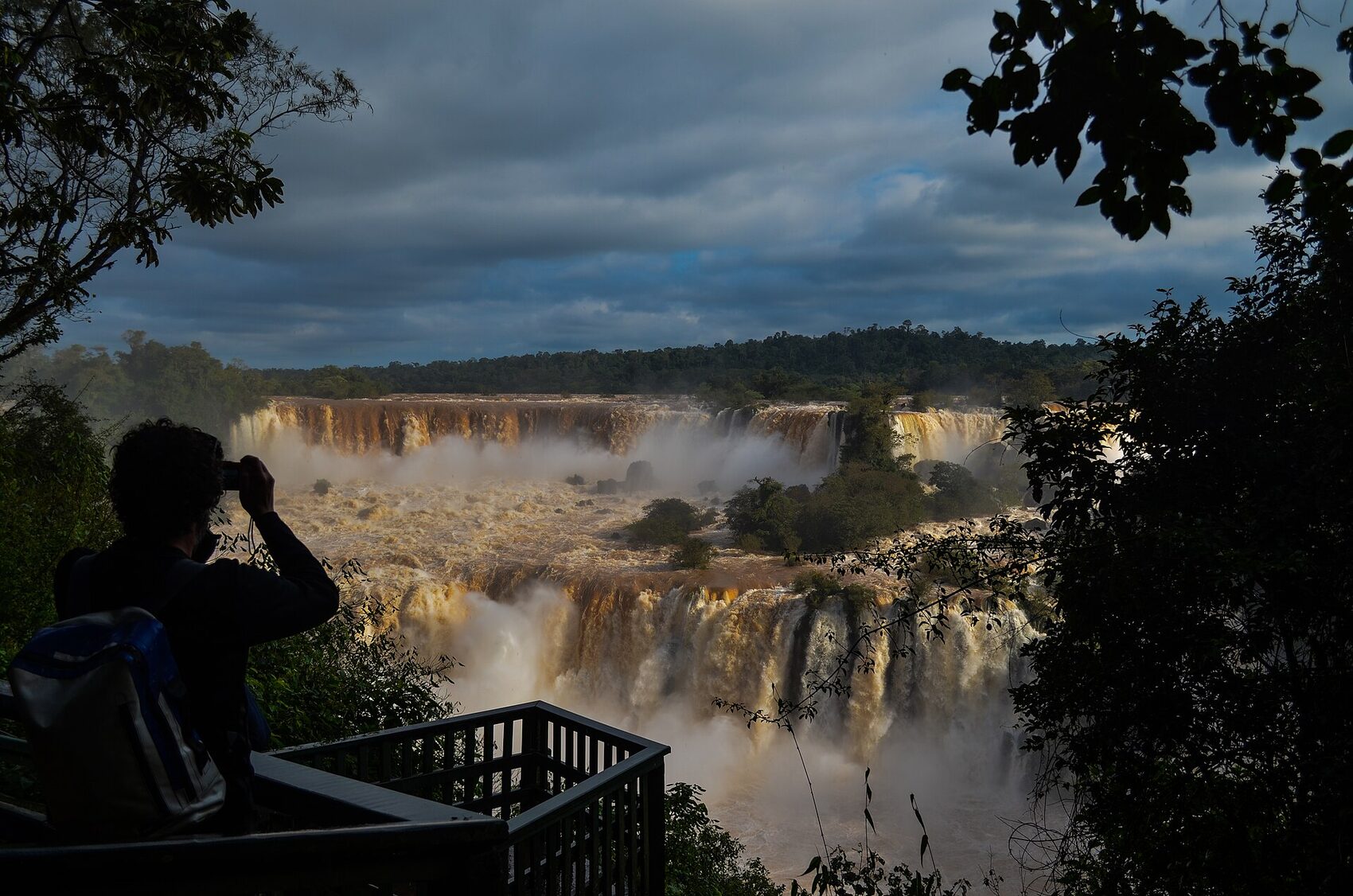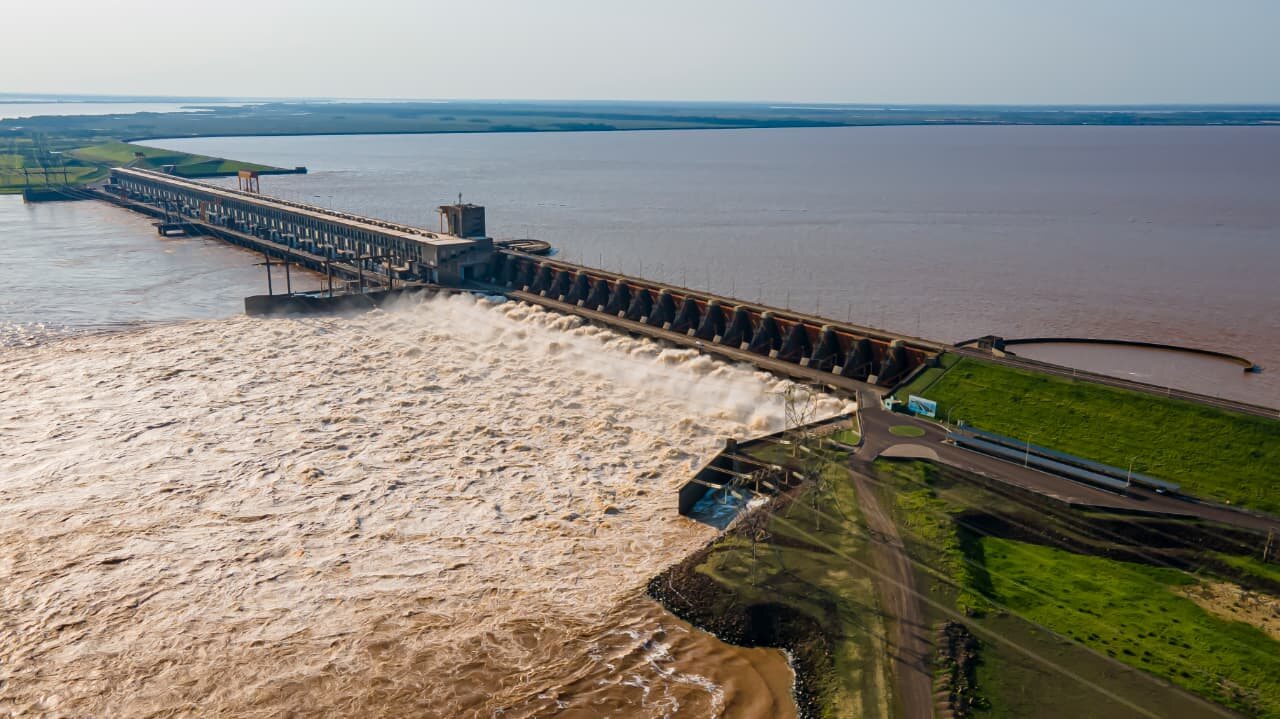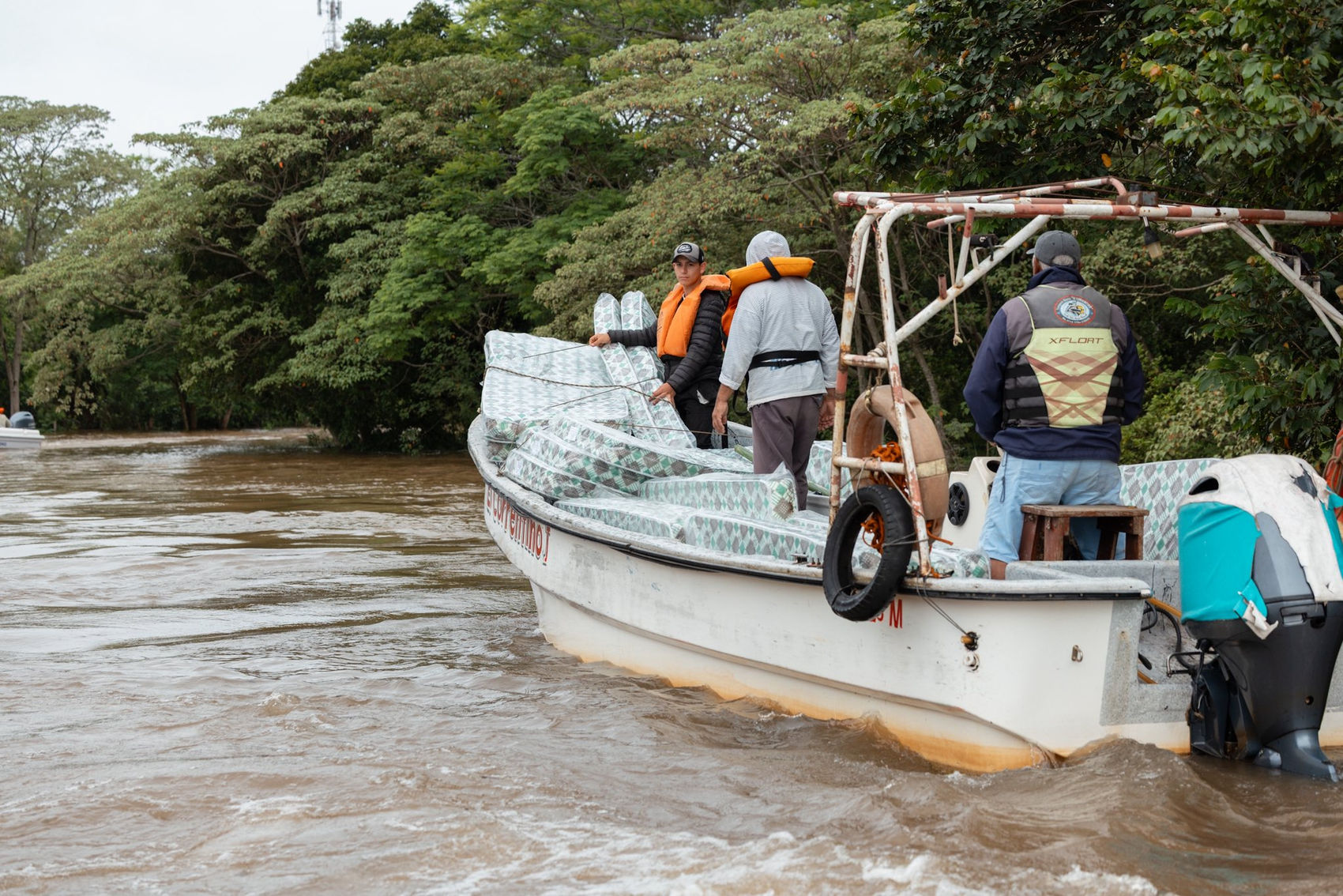
River flooding in northeastern Argentina had driven 2,296 people from their homes by October 21, the federal emergency agency counted, and officials expect the high water to last for months.
The count has kept climbing. Carolina Meiriño, who coordinates Chaco’s provincial emergency committee, said about 1,790 people had left their homes by Saturday, October 24, about 500 of them on their own, up from 1,194 on Wednesday. Most are in Barranqueras and Puerto Vilelas, river towns next to Resistencia, the provincial capital.
On the other bank, in Corrientes, civil defense counted 1,084 people out of their homes on Wednesday, against 222 on October 16, when the Paraná first reached Corrientes city. On Saturday the river stood at 7.37 metres there, according to the National Water Institute, above the level at which evacuations are ordered.
Two farmhands died while moving cattle off a river island near Bella Vista, in Corrientes; police confirmed on October 19 that they had found both bodies, three days after the men went missing. That night, an earthen embankment gave way at Paso de la Patria, a sport-fishing resort town in the province, and water flooded several neighborhoods.
Officials say the water will not recede soon. “It’s going to be like this for a couple of months, the river is going to keep rising and falling constantly,” said Gustavo Santos, Chaco’s deputy secretary of civil protection, on Friday.
Upriver in Misiones, storms on Thursday and Friday cut roads and bridges. Provincial police counted 141 people evacuated and 117 homes affected, and ten river border crossings in the province remain closed.
A representative of Coninagro, a federation of farm cooperatives, said about 900,000 cattle in Santa Fe, Chaco and Corrientes are exposed to the flooding, and ranchers have been moving herds off river islands to higher ground.
Downriver, the National Water Institute forecasts the Paraná staying below its 5.3-metre alert mark at Santa Fe city through November 3. Upstream, it expects new surges within days as rain falls over the upper Paraná basin in Brazil and Paraguay, and Corrientes officials warned on Friday of further rises next week.