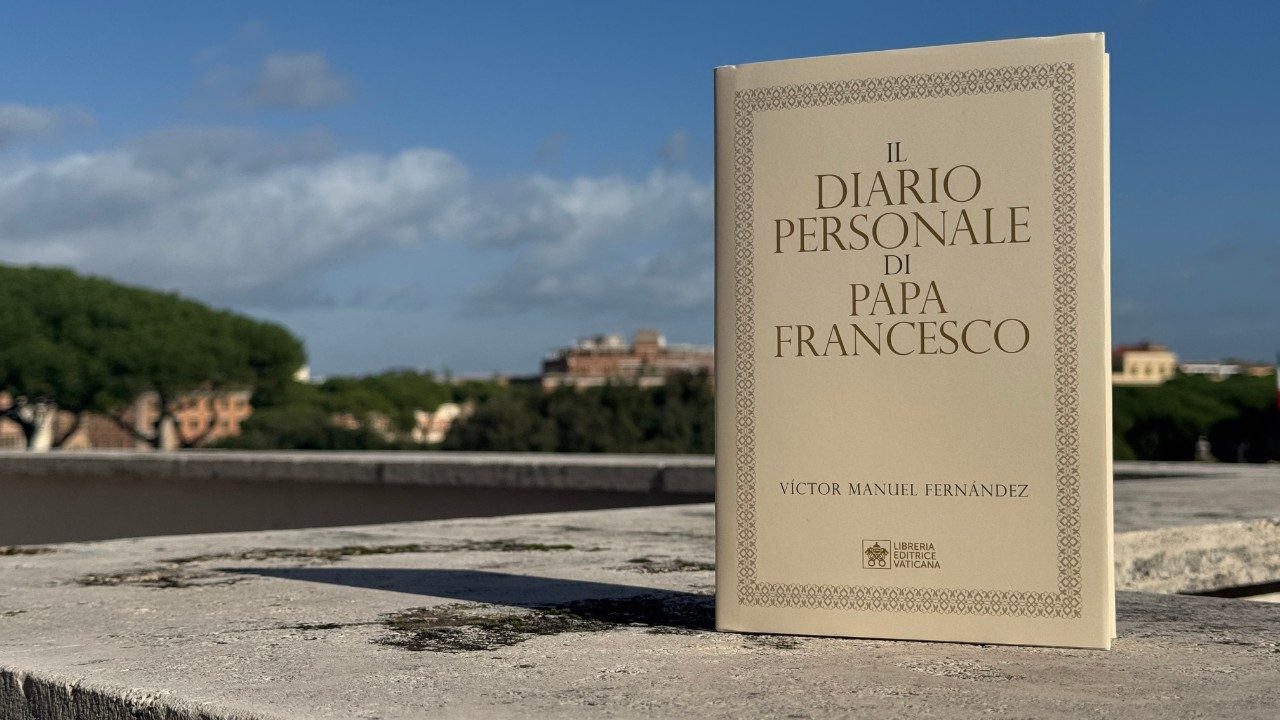
The Private Diary of Pope Francis, the late pontiff’s notes from 1992 to 2024, was published on Tuesday in five languages for distribution in 94 countries, edited by the Argentine cardinal Víctor Manuel Fernández.
The book runs about 160 pages and presents notes Jorge Bergoglio kept in a notebook from December 1992, when he was an auxiliary bishop of Buenos Aires, to August 2024, eight months before his death. Fernández, who heads the Dicastery for the Doctrine of the Faith, the Vatican office that oversees Catholic teaching, selected the entries and added commentary. The Italian edition comes from the Vatican’s publishing house, the Spanish, English and Portuguese editions from Penguin Random House, and the French edition from Éditions Albin Michel.
Fernández said that Francis showed him the notebook at his residence in the Vatican’s Casa Santa Marta and asked that anything made public serve to edify readers. After Francis died on April 21, 2025, Fernández raised the notebook with Pope Leo XIV, who agreed to its publication.
The entries cover exhaustion, self-criticism, family, his years in Córdoba in the early 1990s and his devotion to St. Joseph. They also record what he described as encounters with the devil. In an entry dated Jan. 24, 2021, he recalled three episodes in which, he wrote, he had no doubt the devil had appeared to him in person. His last entry, on Aug. 18, 2024, returns to the subject and ends: “I ask the Virgin to take care of me and help me.”
Fernández dates a deep inner crisis to the period from January 2021 to December 2022, which he links to a temptation to use power in a manipulative way. A November 2018 entry says: “I realized that the Argentines took up a lot of my time.” Francis tied that overload to a sense of self-sufficiency he saw as a spiritual danger.
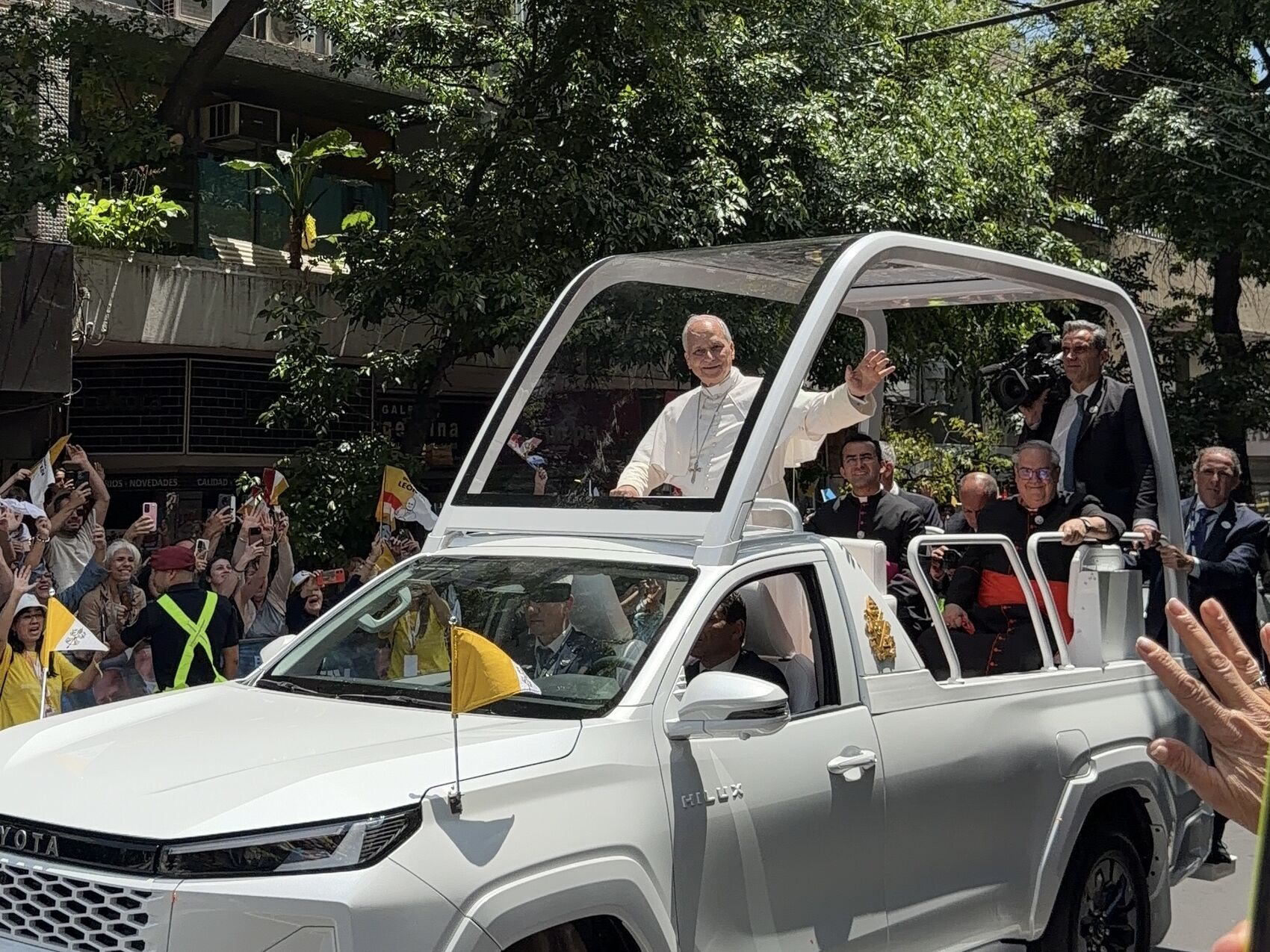
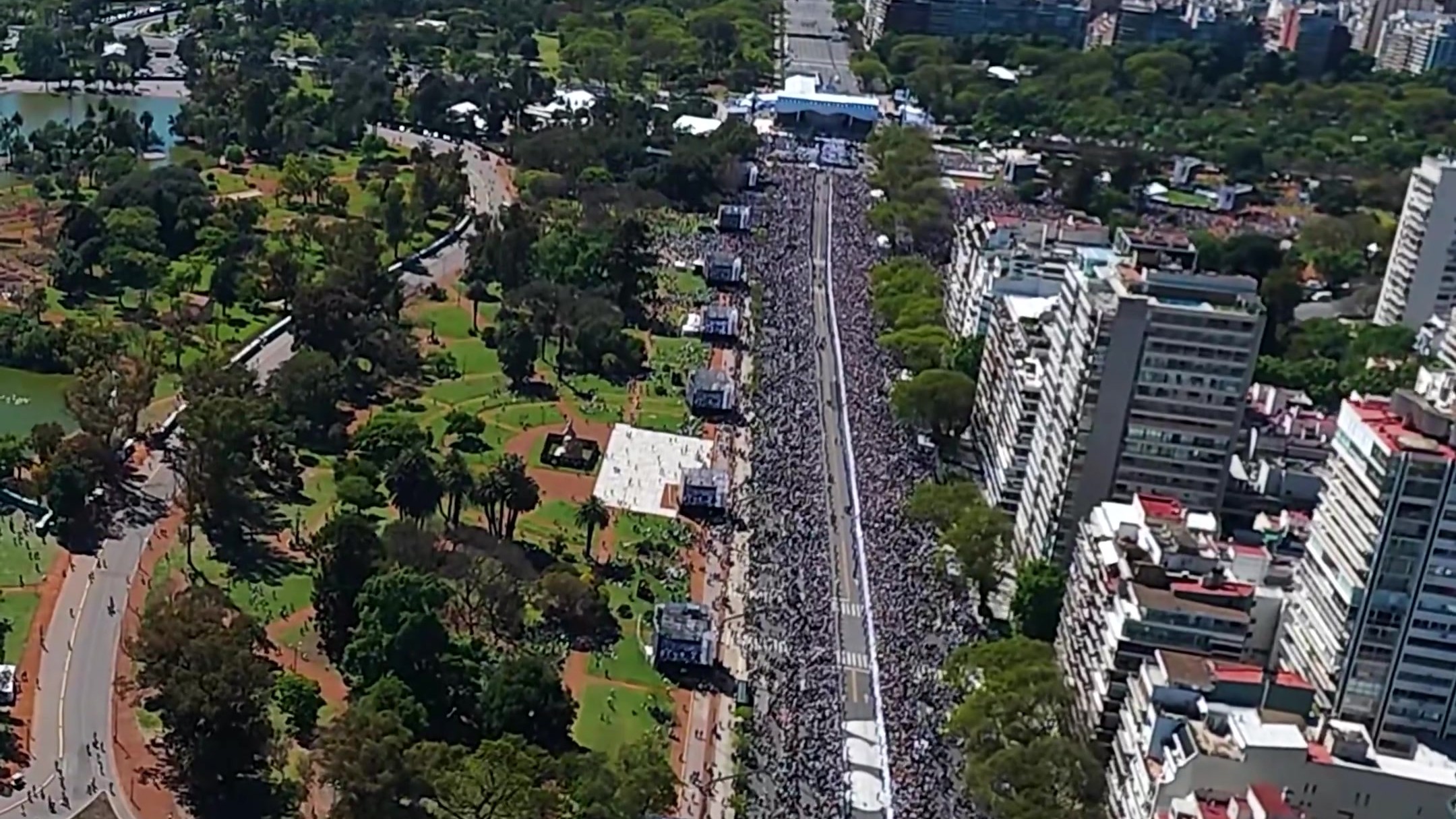
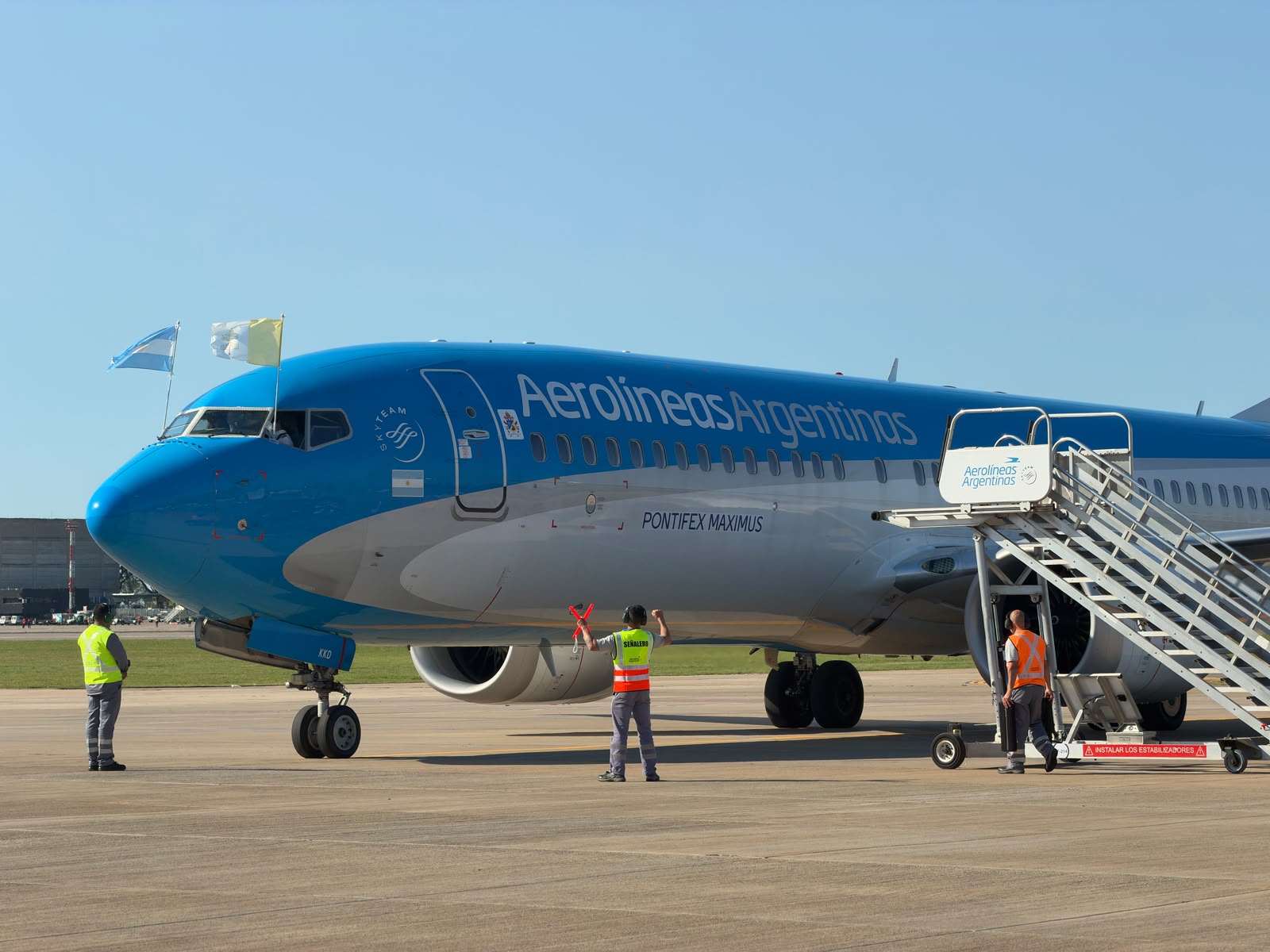
Francis never visited Argentina as pope, and Fernández addressed why in an interview with Corriere della Sera. La Nación reported that he said Francis had intelligence information that something would be organized against him if he went, and that Francis feared a scandal that would not do the Argentine people good. Asked who would have organized it, Fernández named the far right. He told La Nación that the diary says nothing about the matter.
Italian cardinals who knew Francis said the references to the devil did not surprise them. Marcello Semeraro, who heads the Vatican office that handles sainthood cases, called Francis a mystic and a disciple of St. Ignatius of Loyola, the Jesuit founder. Baldassare Reina, the pope’s vicar for the diocese of Rome, said the diary is an exercise in discerning spiritual movements and that the passages on the devil should be read without sensationalism.
The Spanish edition is due in Argentina in December.