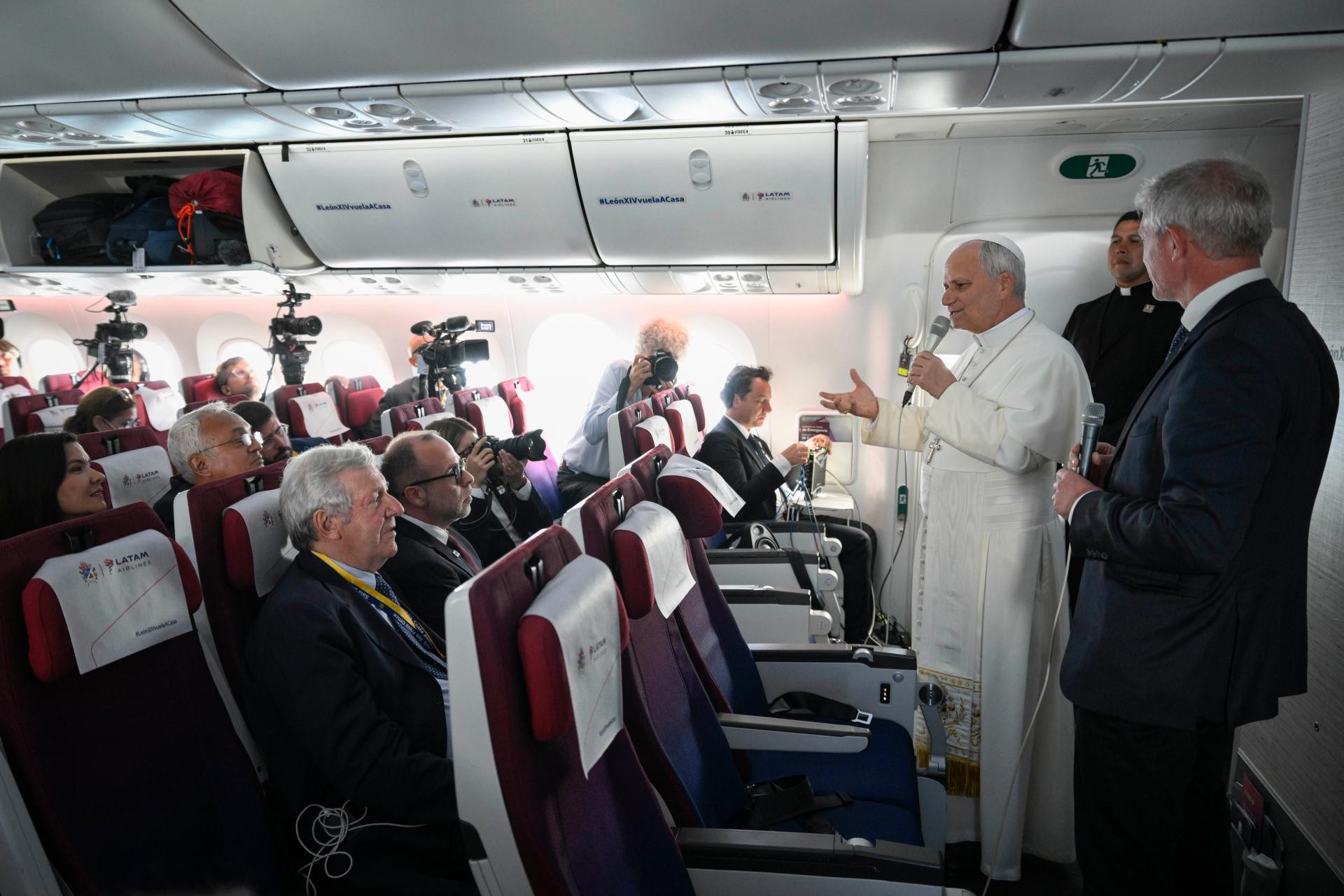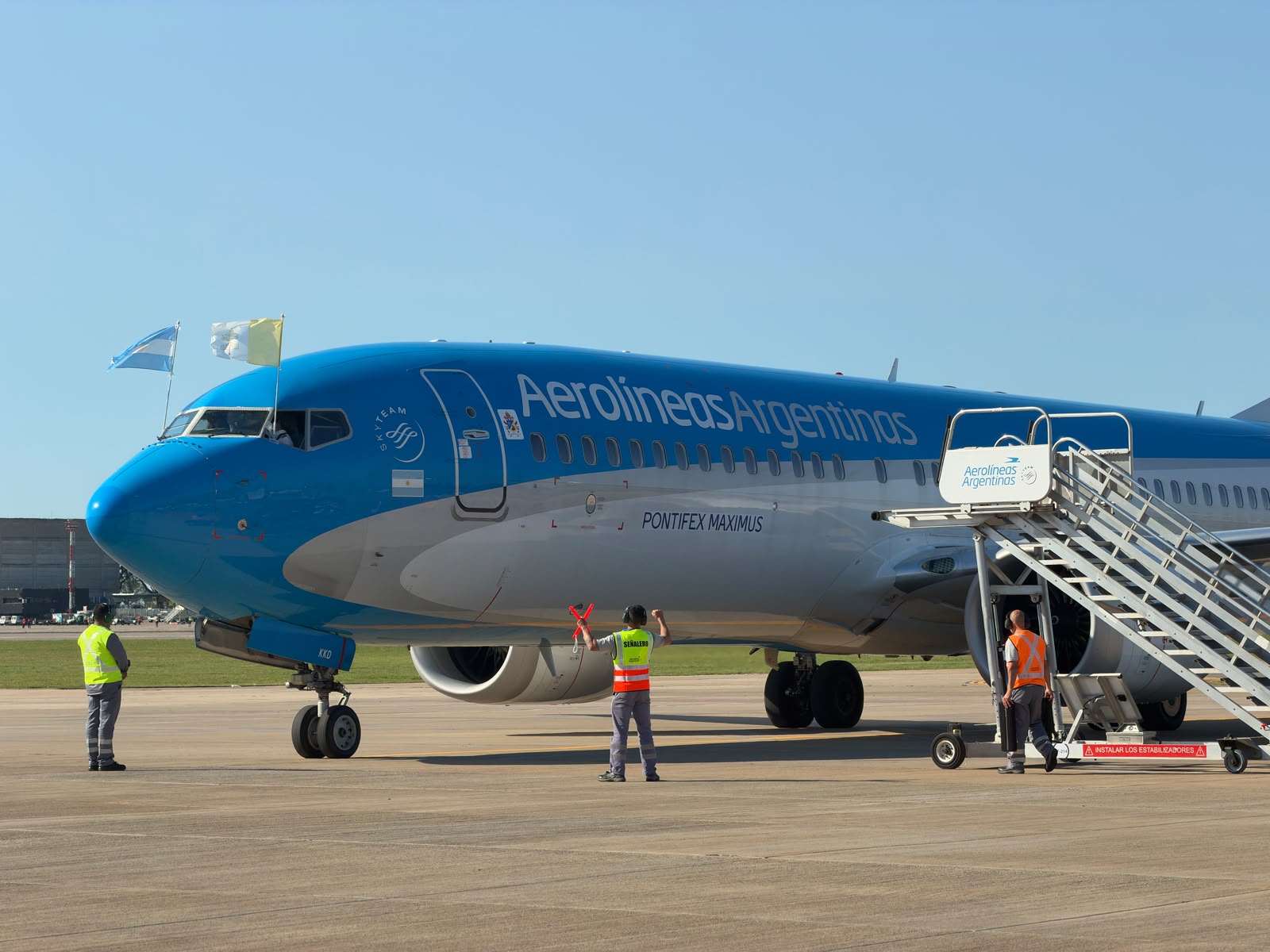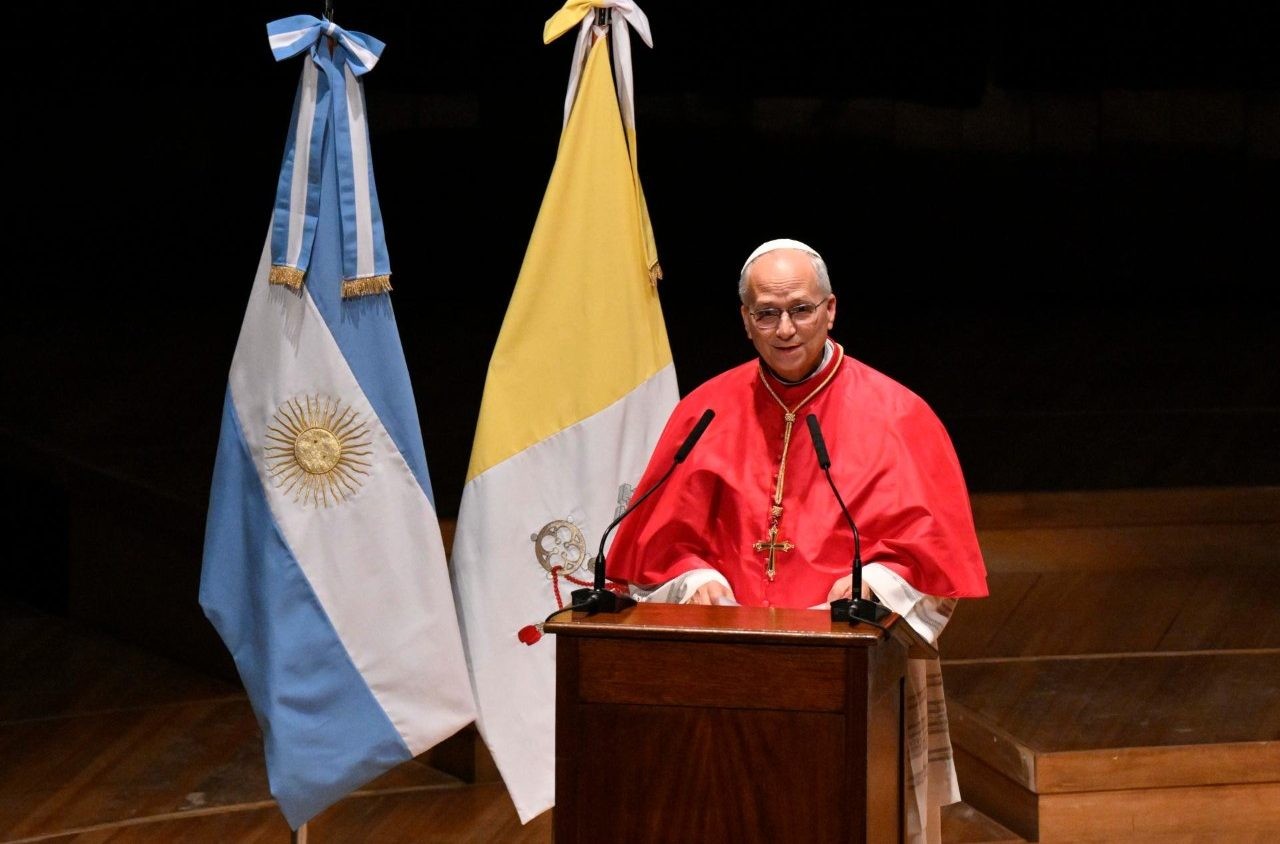
Pope Leo XIV asked Argentina’s leaders on Sunday to listen to those who think differently and to recognize the limits of their power, in his first speech to the government, lawmakers, governors, judges and diplomats.
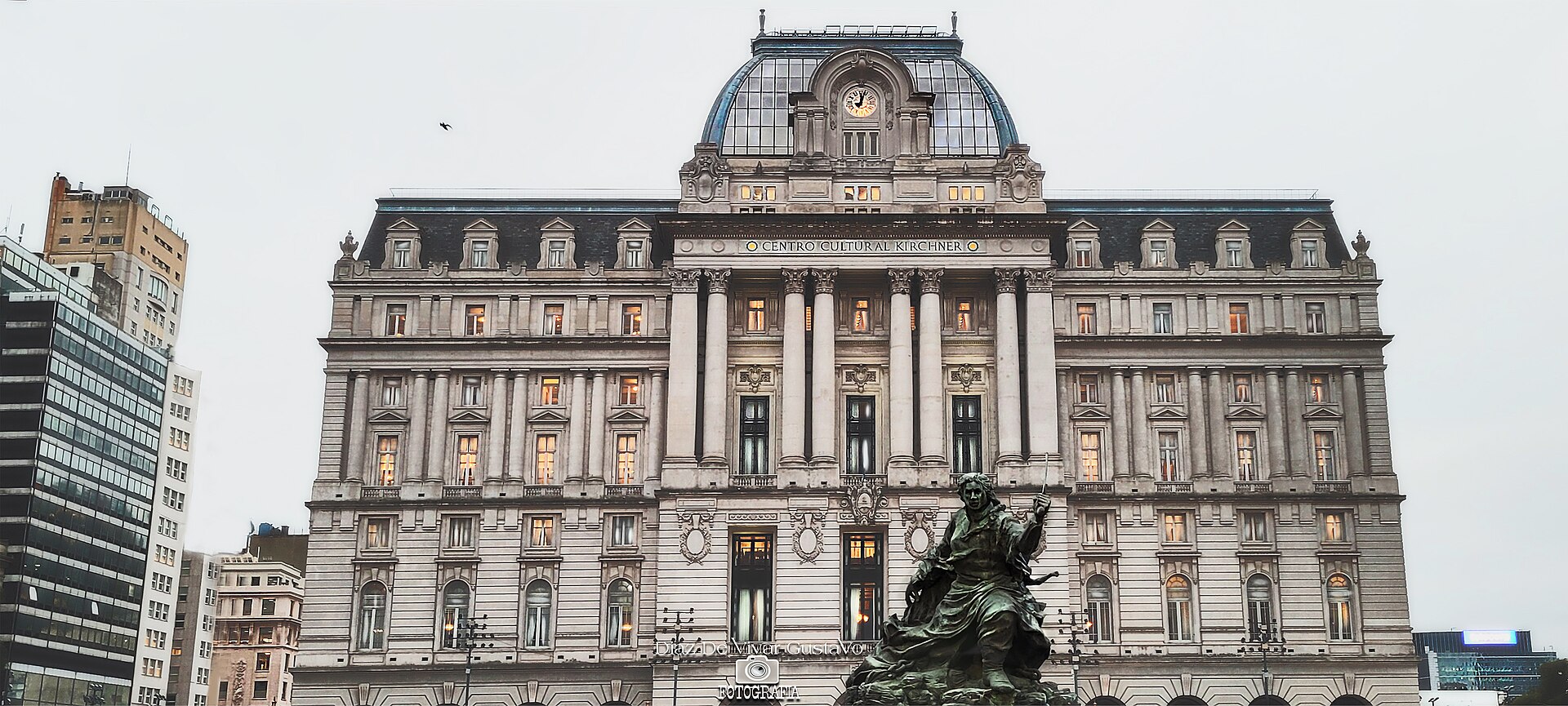
He spoke at the Palacio Libertad, a cultural center in downtown Buenos Aires, hours after arriving for a four-day visit and meeting Milei at the Casa Rosada, the presidential palace. Democracy is strengthened, the pope said, “in the willingness to listen, in care with words, in the patient search for agreements and in the ability to see in those who think differently a fellow citizen with whom one shares a common destiny.” Those in authority must act with prudence and “recognize the limits of the power entrusted to them,” he added.
He said the economy “must be at the service of the person, and not the person at the service of the economy,” and asked for measures that open opportunities, encourage private initiative and let growth reach those who struggle most, including people who work and still cannot cover their household’s needs. A nation, he said, must ask itself seriously where it has failed when its young people have to leave to realize their dreams. He also spoke of care for people with illness and disability, of universities, of unborn life and of corruption, which he said erodes citizens’ trust in institutions. He named no country, but asked Argentina to keep its willingness to settle tensions between nations through dialogue and law.
Milei, who spoke first, said he was glad “to see the whole political spectrum here, showing that there are reasons and occasions that go beyond our differences,” and that “what unites us is much more than what separates us.” He also said the Christian tradition taught that power has limits and must respect each person’s dignity and rights.
Afterward, asked on the LN+ television channel whether the call for dialogue was addressed to him as much as to the opposition, Milei answered: “I am not against any of those things. It is the malicious characterization that part of the political system makes, with the complicity of journalism.” He added that “in Argentina, debates are not intellectually honest.” He said he is willing to talk, but that “last year they voted 40 laws to try to break the macroeconomic balance,” an apparent reference to opposition lawmakers. He called the speech “superlative” and said he would not put the pope’s words into the political debate.
Other leaders also weighed in. Buenos Aires Province Governor Axel Kicillof, a leading opposition figure, wrote on X that the speech left “a fundamental message that we must listen to and reflect on.” Vice President Victoria Villarruel, who has broken with Milei’s government and exchanged a few words with the pope as he left the stage, told reporters the speech did not criticize the government and fit “the difficult political and economic reality of Argentina” and “a moment in which national unity is needed.” On Monday she said she never received the QR code needed to enter the pope’s Mass.
En su primer intervención en nuestro país, el Papa León XIV dejó un mensaje fundamental que debemos escuchar y reflexionar. Sus palabras sobre tolerancia, solidaridad, unidad, pobreza, exclusión, discapacidad y educación marcan un camino imprescindible. Mañana lo esperamos con los brazos abiertos para renovar este compromiso junto a nuestro pueblo.
Translation: "In his first address in our country, Pope Leo XIV left a fundamental message that we must listen to and reflect on. His words on tolerance, solidarity, unity, poverty, exclusion, disability and education mark an essential path. Tomorrow we await him with open arms to renew this commitment together with our people."
The pope is due to meet union, business and social-movement leaders at the Catholic University of Argentina on Monday afternoon. The CGT, the country’s largest union federation, is due to send its leadership.