The Paraná river rose above its evacuation level at the city of Santa Fe on Sunday, and Argentina’s federal emergency agency counted 4,547 people evacuated or self-evacuated in 26 towns of the Litoral region as of Friday, about twice its count of three weeks earlier.
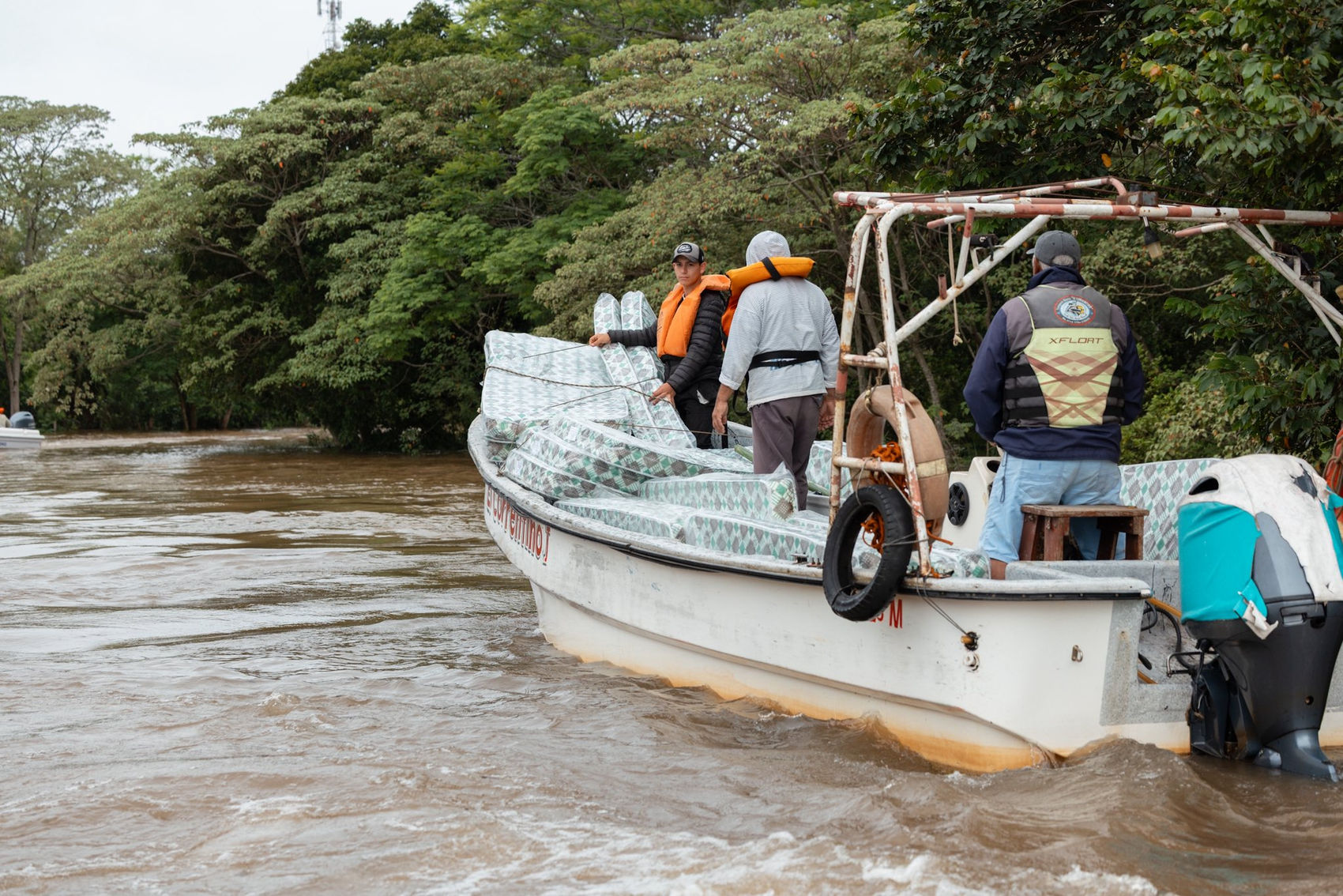
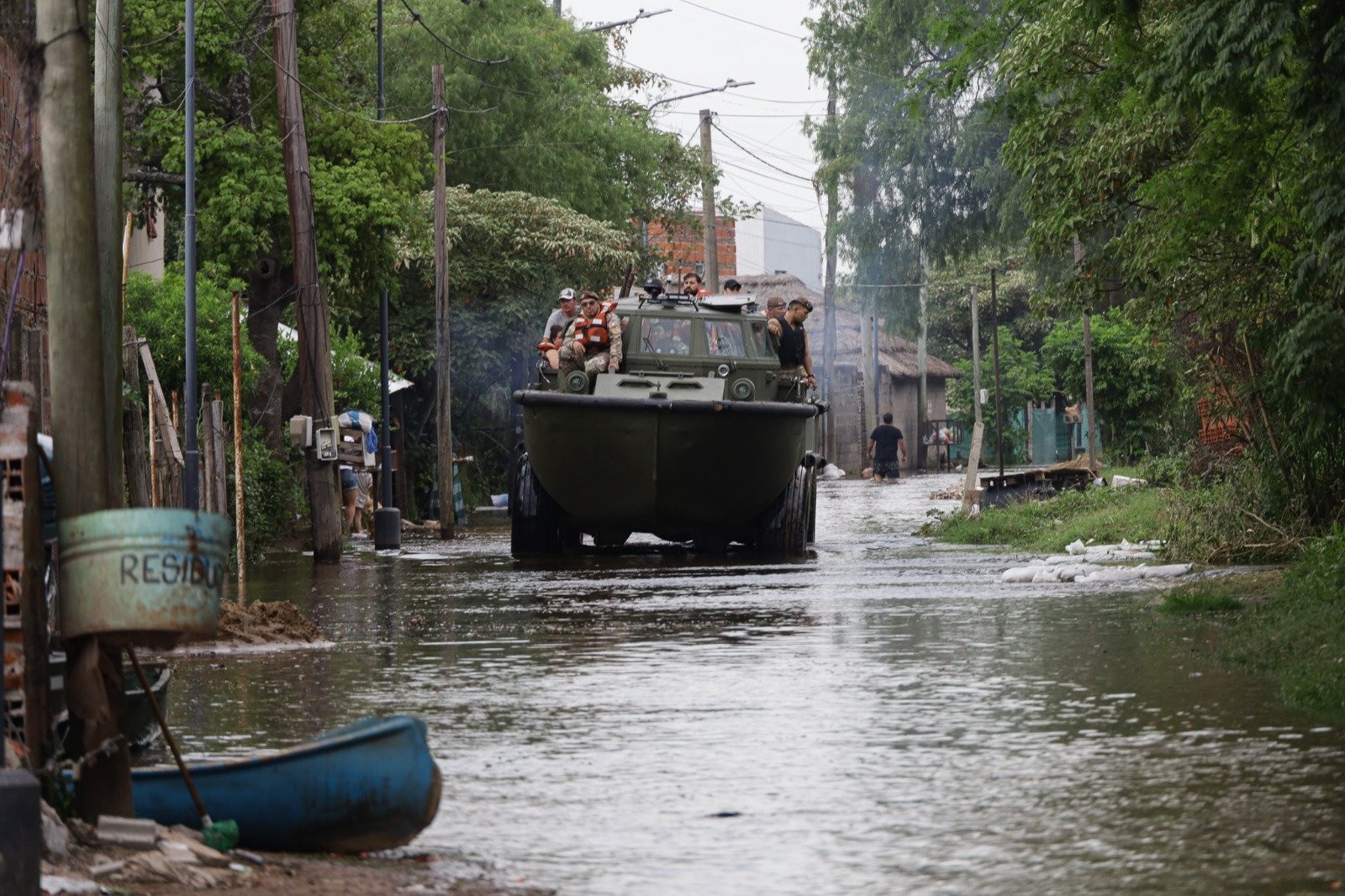
Argentina’s coast guard measured the river at 5.76 meters on Sunday evening, six centimeters above Santa Fe’s evacuation mark. By Monday, 260 people had been evacuated in the city, mostly families from low-lying riverside districts such as La Vuelta del Paraguayo, Mayor Juan Pablo Poletti said. The army and city crews are delivering food and supplies by boat to residents who stayed. The city’s flood defenses protect about 400,000 people living inside them, he said.
Farther south, at Rosario, the river stood at 4.47 meters, its highest level for November since 1998, the Rosario Grain Exchange said in a report based on data from the National Water Institute (INA). The exchange puts Rosario’s alert level at 5 meters.
In Entre Ríos province, the cities of Paraná, Diamante and La Paz are also above their evacuation levels, according to the coast guard’s readings.
Upstream, in the northeast, the emergency agency counts 2,242 people affected in Chaco province and 2,005 in Corrientes, the two hardest-hit provinces. In late October, when floods forced thousands from homes in the northeast, the agency counted 2,296 people out of their homes.
In Corrientes city the river peaked at 7.46 meters and was falling slowly on Monday, but about 690 residents still have flooded homes.
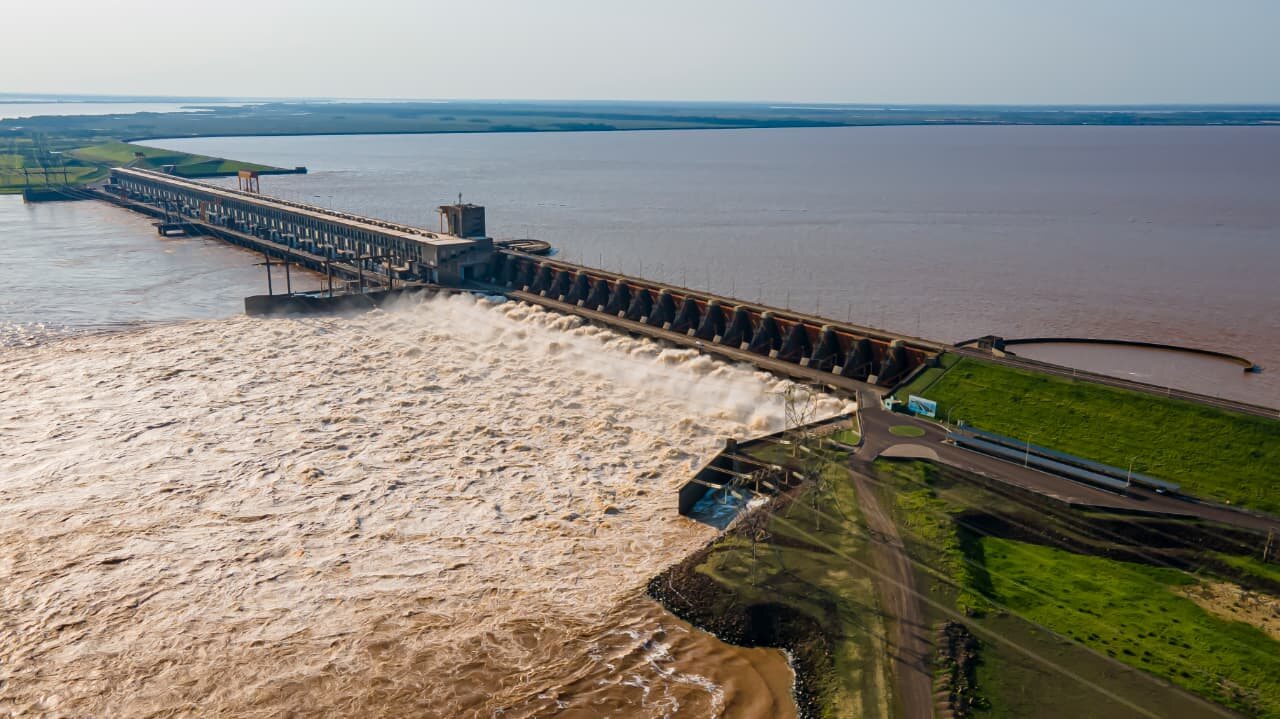
The Yacyretá Binational Entity, which operates the Yacyretá dam on the Paraná, said October had the highest average flow for that month since its records began in 1971, and it warned of a high probability of new high-water episodes through January. The persistence of high flows is tied to El Niño conditions, which the weather outlook says raise the chance of heavier rain than usual in parts of the Litoral, Argentina’s river region.
INA’s bulletin of Nov. 11 said the river at Santa Fe and Rosario was still rising toward a peak within one to two weeks and that rain well above normal in the upper basin in the third week of November could bring new rises. The institute now projects 5.90 meters at Santa Fe around Nov. 24 and expects the river to stay above the evacuation level for several weeks.