Argentina’s national public sector ran a surplus of 977,173 million pesos (about US$650 million at roughly 1,500 pesos to the dollar) in September after paying debt interest, the Economy Ministry said on Friday, and the ministry said the government has complied with the University Financing Law.
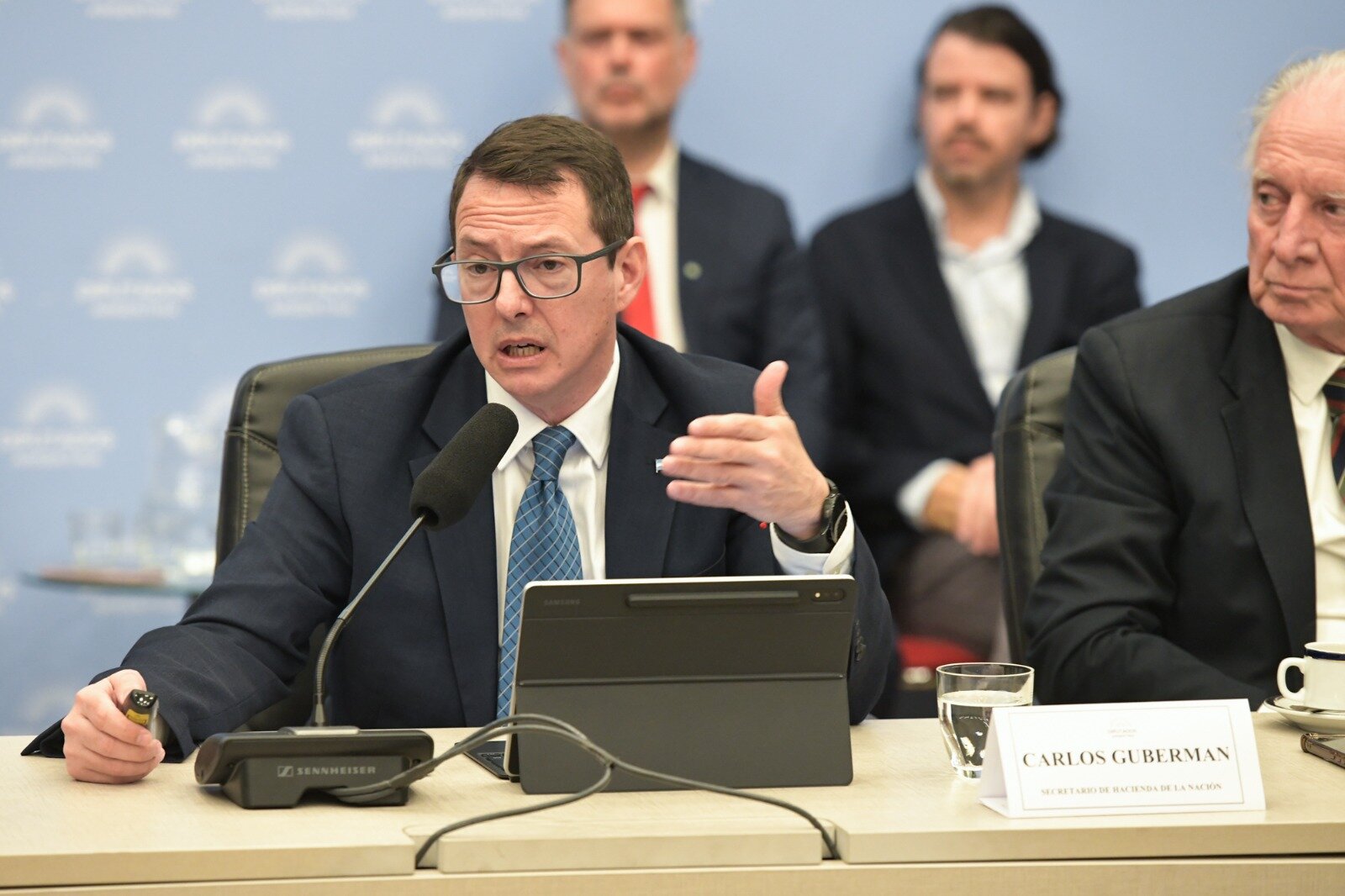
Before interest, the primary surplus was 1,427,640 million pesos (about US$950 million). Interest payments were 450,467 million pesos, the ministry said. From January to September, the primary surplus equals about 1.2% of gross domestic product and the financial surplus about 0.3%. Those are the ministry’s preliminary figures, in current pesos.
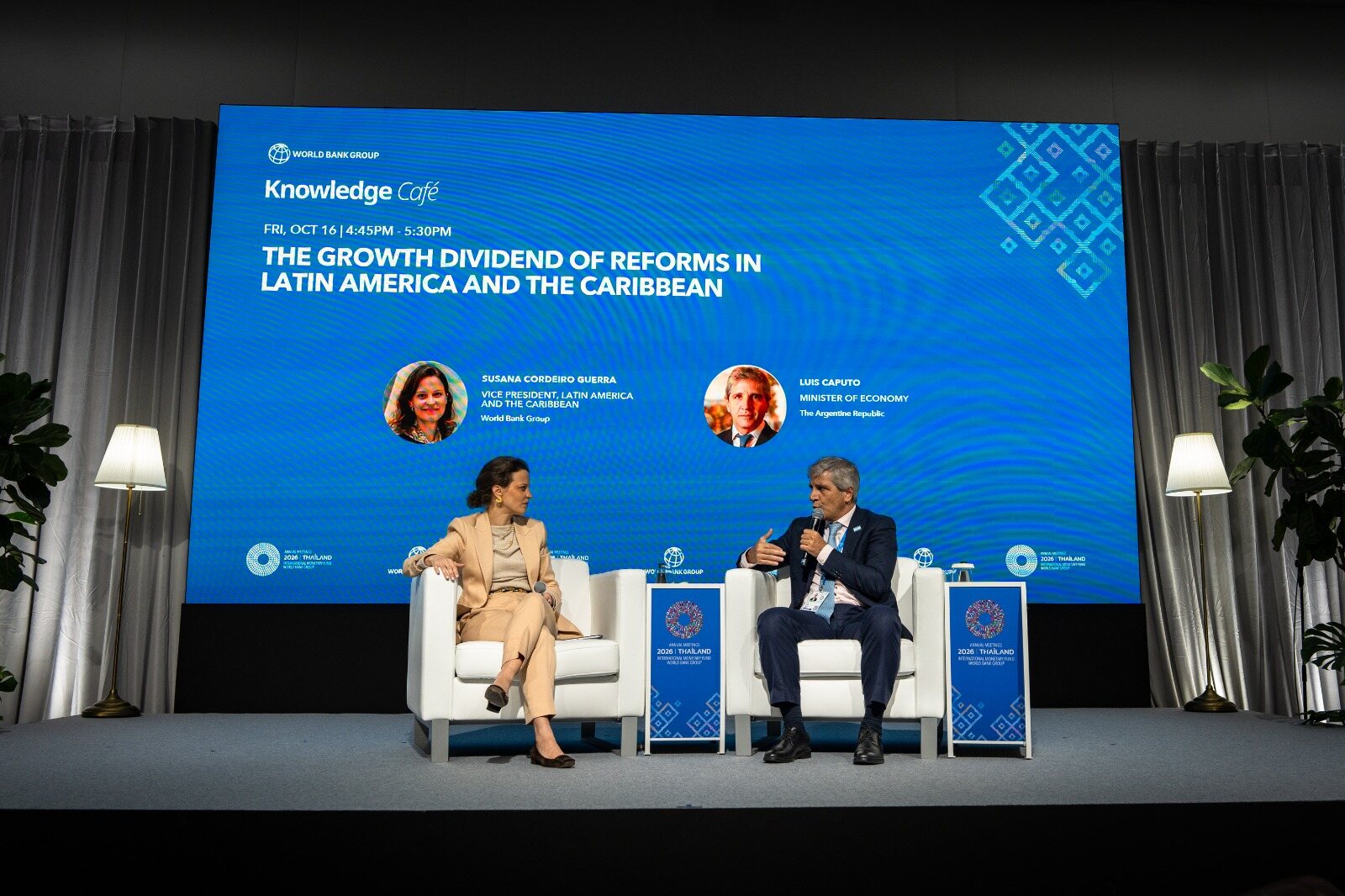
Revenue rose 36.5% from September 2025 and primary spending, which excludes interest, rose 32.2%, the ministry said, a 0.9% fall once inflation is removed. INDEC, the national statistics agency, reported annual consumer inflation of 33.4% for September, and public-sector pay rose 32.1%, the ministry said. Economy Minister Luis Caputo said on X that the financial surplus was 215.6% higher than September 2025’s in nominal terms, and contrasted it with a deficit he put at about 2.8 trillion pesos for September 2023 in today’s prices.
The nine-month total includes a one-off 1.04 trillion pesos that the ministry booked in January from the tender to run the Comahue hydroelectric dams.
On universities, the ministry said transfers in September rose 42.4% from September 2025, to 538,772 million pesos, and totaled 4.1 trillion pesos in the first nine months. It said the rise “reflects compliance with the agreements reached with universities” under the law, and put the increase at 6.7% in real terms after 33.4% annual inflation.
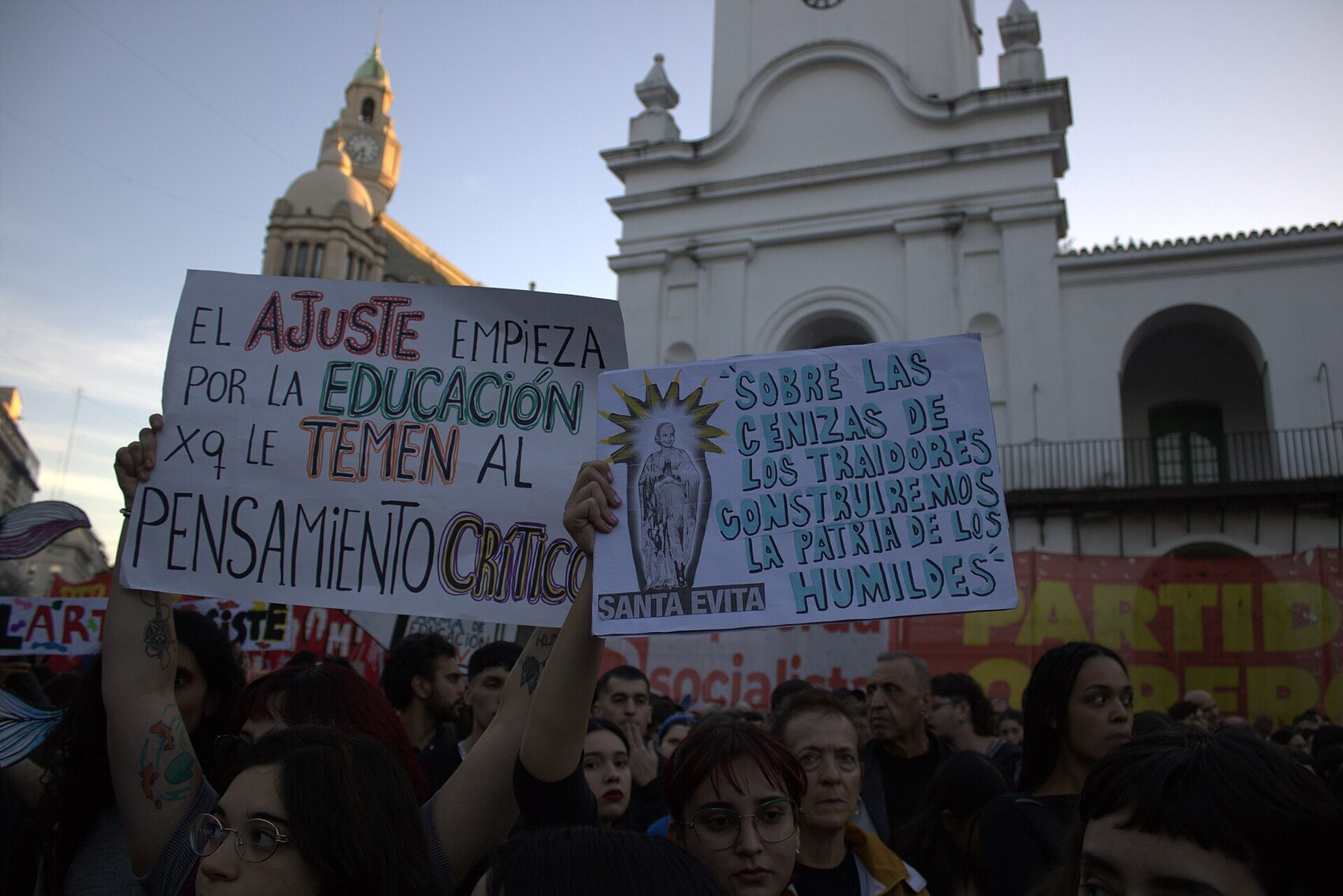
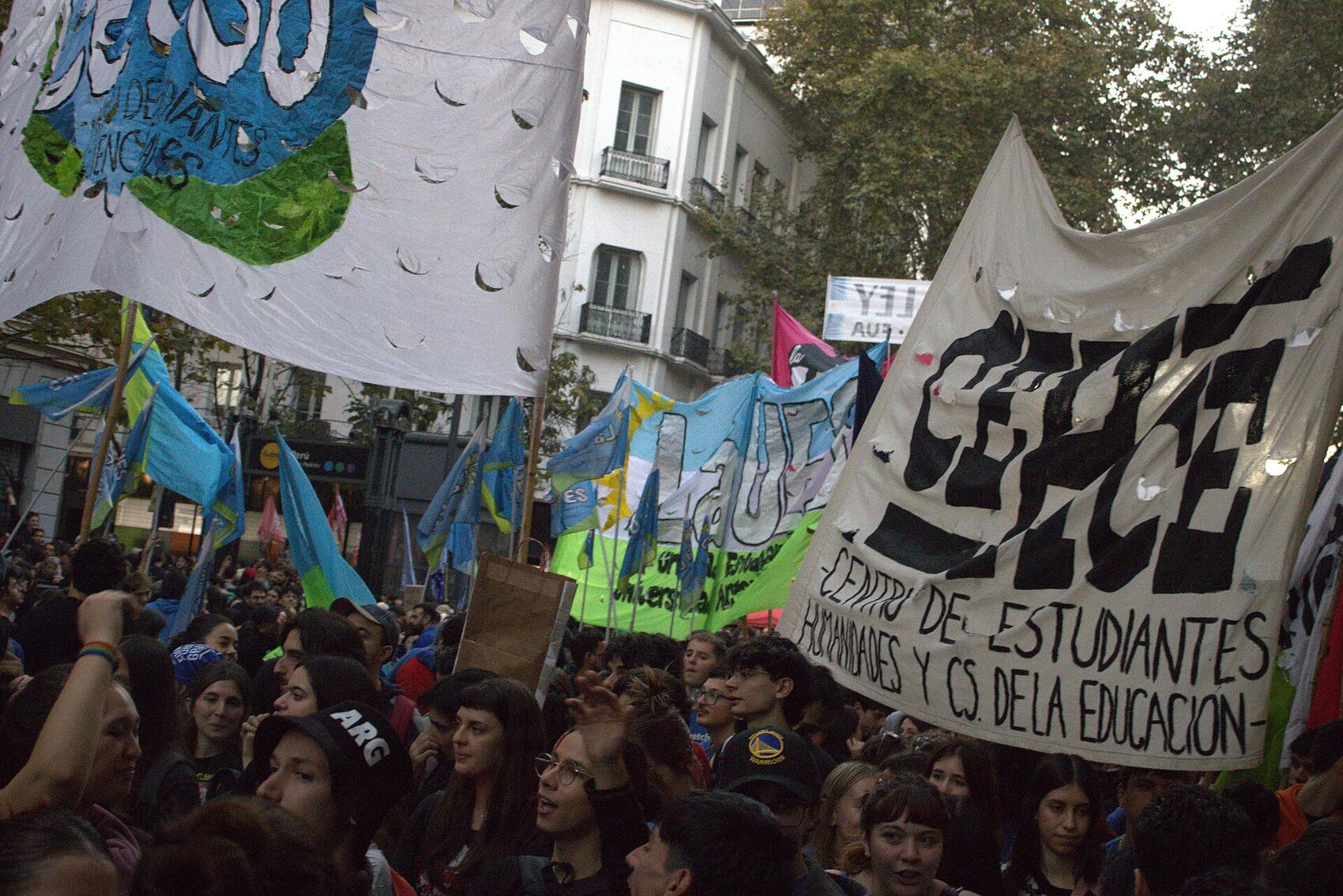
The universities see it differently. The law requires pay and student scholarships to keep pace with inflation, and the national rectors’ council (CIN), which sued to enforce it, says the government is not applying it. A report published on Thursday by ACIJ, a civil-rights group, found that spending per student from January to September fell 30.9% in real terms from 2023, to 2.32 million pesos at September prices, the lowest since 2004. ACIJ measures against 2023; the ministry’s 42.4% is against September 2025, so the two figures do not contradict each other directly.
The government’s 2027 budget bill, now in Congress, offers the universities 7.3 trillion pesos. The rectors are asking for 11 trillion.