

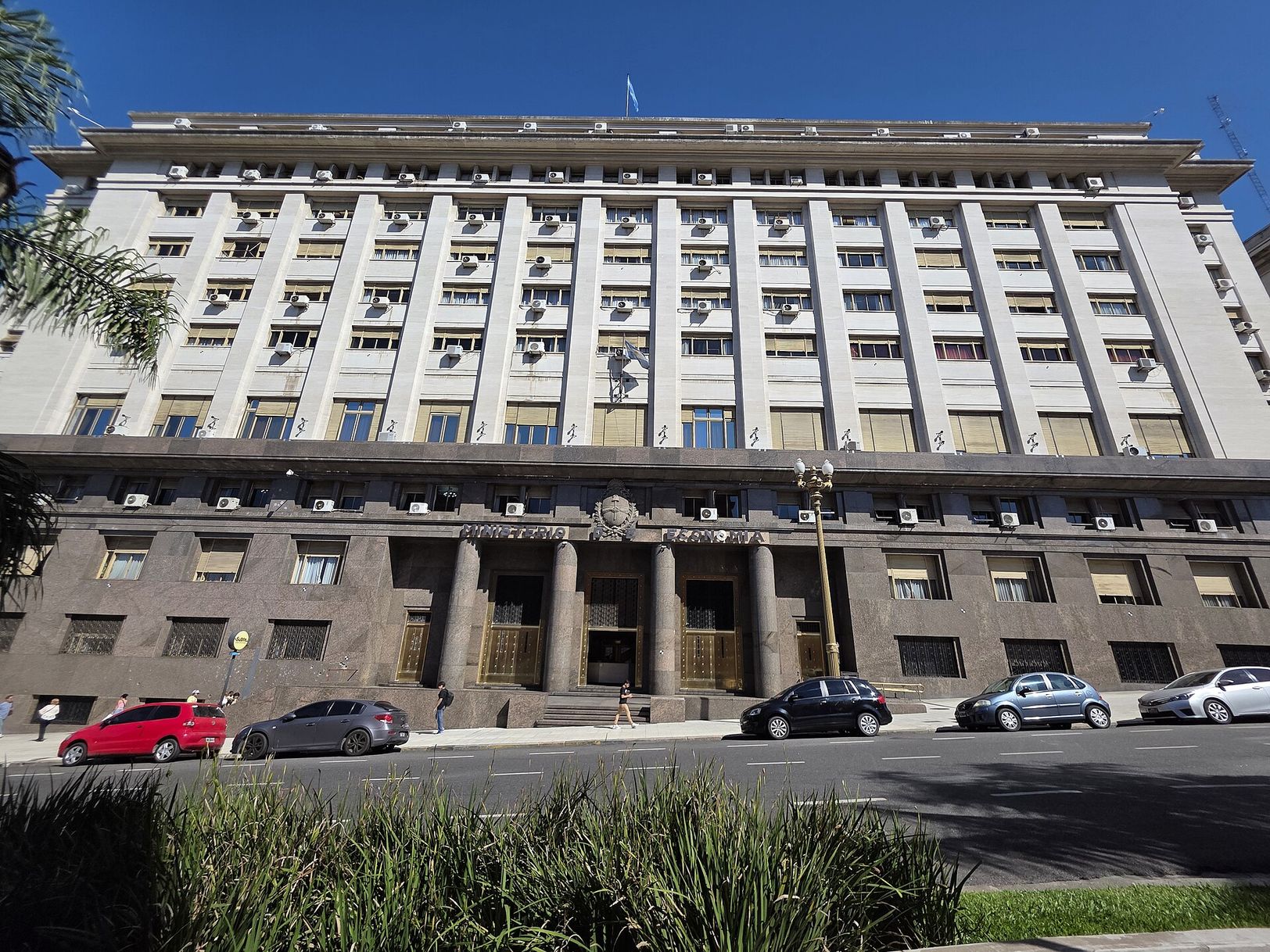
An International Monetary Fund team arrives in Buenos Aires on Monday, September 21, to open the third review of President Milei’s economic program under the Fund’s extended arrangement, the government confirmed this week.
A successful review would unlock the next disbursement under the arrangement and could reinforce the decline in Argentina’s country-risk spread (the extra yield investors demand on its debt), which has already let provinces and corporations return to international bond markets after years of exclusion.
The IMF team will meet Economy Ministry and Central Bank officials to assess whether Argentina met its targets for the April-June quarter, with particular attention to fiscal performance and the accumulation of foreign currency reserves.
Argentina’s government is projecting a primary fiscal surplus equivalent to 1.3% of GDP, or 15.5 trillion pesos (about $9.7 billion), for 2026, narrowly missing the 1.4%-of-GDP target built into the program by roughly 700 billion pesos (about $456 million). For 2027, the government has set a surplus target of 18.4 trillion pesos (about $12 billion), also equivalent to 1.3% of GDP.
The reserves question, which tripped up the program’s first two reviews, appears to have flipped. In the February and April reviews, Argentina met its fiscal targets but fell short on the Central Bank’s commitment to rebuild reserves. This time, officials say the Central Bank has purchased the full $10 billion in reserves it had pledged, while the fiscal side now carries the shortfall.
Economy Minister Luis Caputo said 2027 would mark “the fourth consecutive year the government has reached a fiscal surplus,” framing the streak as evidence Argentina has broken with a decades-long pattern of deficit spending and debt default.