Argentine consumer prices rose 2.2% in October from September, the fastest monthly pace since April, the national statistics agency INDEC reported on Nov. 12.
Analysts in the central bank’s monthly survey had expected 1.8%. INDEC’s breakdown shows the pickup in household bills: housing, water, electricity and gas was the fastest-rising spending category, up 4.2%, after changes to the Cold Zone gas discount for colder regions took effect on Oct. 13.
INDEC traced the gas increase mainly to three things: the month’s tariff updates, a change in how much gas is sold at the subsidized price, and the narrower Cold Zone discount that Congress cut back in September. For some of the households added to the regime in 2021, the discount now covers only base consumption, where it used to apply to the whole gas bill.
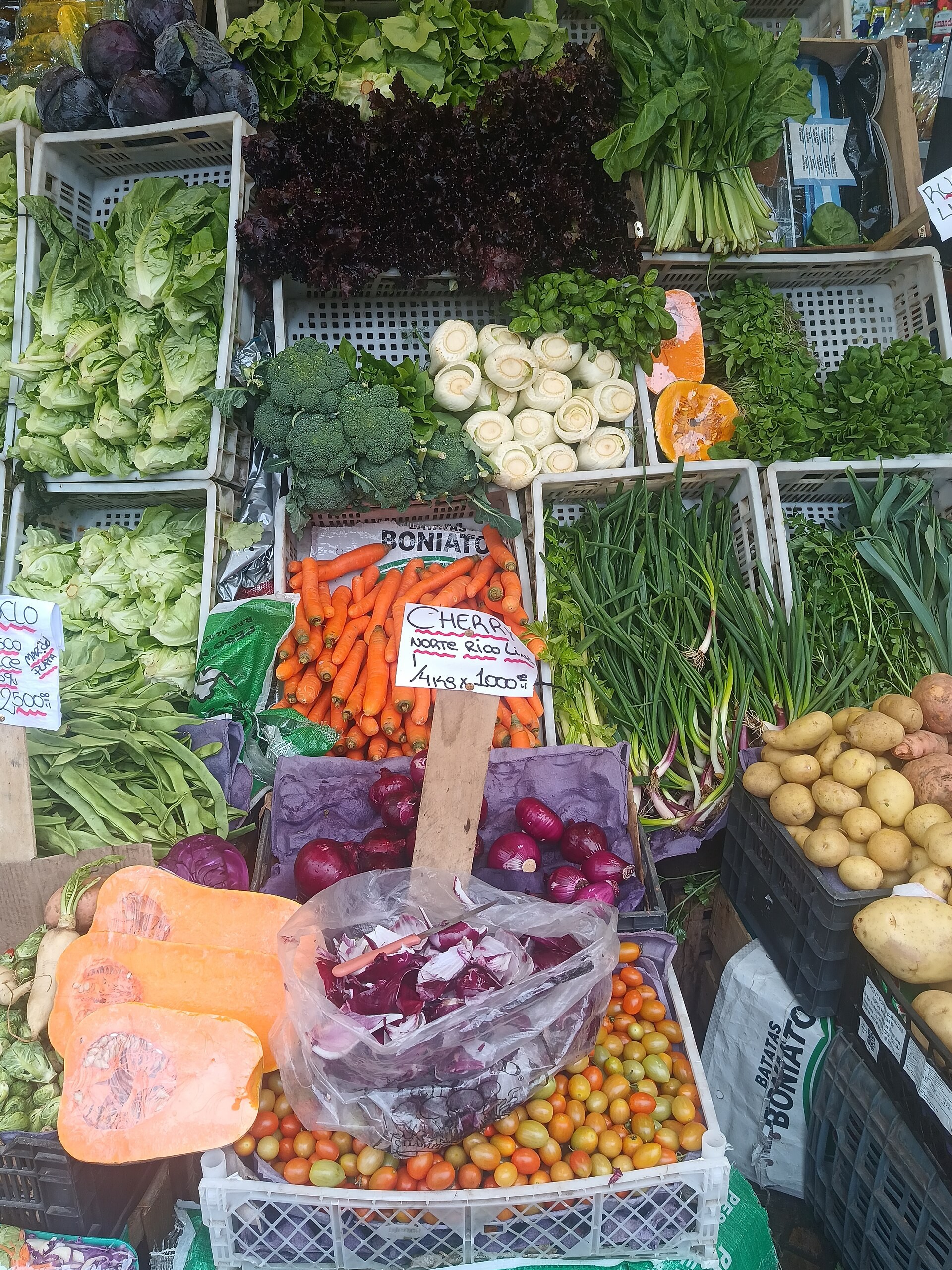
The pickup came from prices outside the underlying trend. INDEC reported that seasonal prices, led by vegetables, rose 5.5% and government-regulated prices, mainly gas and vehicle fuel, rose 2.9%.
Core inflation, which leaves out both groups, slowed to 1.5%, INDEC said. Economy Minister Luis Caputo said on X that it was the lowest monthly core reading since July 2025, and that the Cold Zone changes had affected the housing category.
Prices are 33.1% higher than a year ago, INDEC said, down from 33.4% in September and the third straight slowdown in the annual rate. The monthly rate, by contrast, has now risen two months in a row, after September’s rebound in inflation.
The poverty line rose faster than prices. INDEC’s total basic basket, the monthly cost of food and other essentials that defines the line, rose 3.5% in October, so a family of four with two school-age children needed about 1.69 million pesos (US$1,090) a month to stay above it.
Analysts at the consultancy EcoGo and the brokerage Adcap expect inflation to ease to about 1.8% in November, though EcoGo and the brokerage Puente say part of the gas effect will carry over because the Cold Zone change began on Oct. 13.