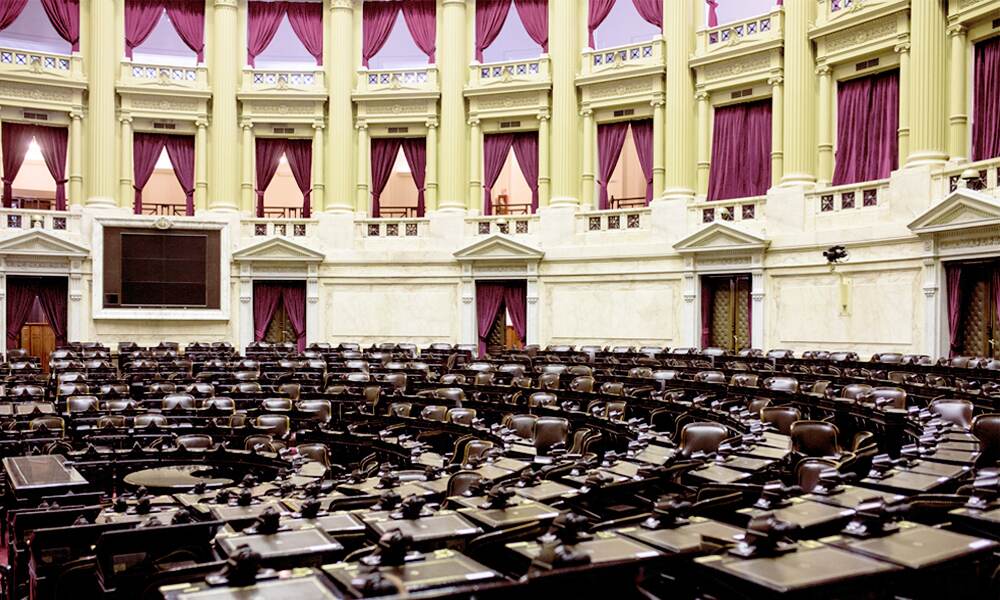
The opposition has called the Chamber of Deputies to meet on October 15 to reject Decree 70/2023, President Milei's 2023 deregulation decree. It would be the last vote Congress needs to strip the decree of force, but it would not wipe out everything the decree did.
What the Decree Did
Decree 70/2023 is a decree of necessity and urgency, known by its Spanish initials DNU: an order the president can issue without Congress when he says an emergency leaves no time for a bill. Milei signed it on December 20, 2023, ten days into his term, and it was published the next day and took effect on December 29, according to Chequeado. It has 366 articles covering labor, rentals, health insurance, supply and shelf-price laws, customs, telecoms, state companies and rural land; Article 154 repeals the Rural Land Law.
Much of it has been overtaken. Congress later passed the Ley Bases, and a labor reform was approved in 2026, so several of the decree's provisions now rest on statutes as well. El Cronista reported that opposition lawmakers plan to argue that about 80% of the decree has lapsed or been absorbed into later laws, so repealing it would matter less than it would have in early 2024. That figure is the opposition's and we could not confirm it independently.
How a Decree Is Undone
A DNU takes effect immediately and stays in force until both chambers reject it, under Law 26.122 of 2006. One chamber is not enough. The Senate rejected Decree 70 on March 14, 2024, by 42 votes to 25 with 4 abstentions, but the decree stayed in force because the Chamber of Deputies never took it up. It has not voted on it in the more than two and a half years since.
If Deputies now reject it by a majority of members present, the decree is repealed. The law says rights acquired while it was in force are preserved, so contracts and acts made under it stand, according to Chequeado.
What October 15 Can and Cannot Do
The session was requested by 32 deputies from eight blocs and needs a quorum of 129 of 257 members. Rosario3 counted about 122 deputies among the signatory blocs, seven short, so the votes of governor-aligned blocs are key. If the session fails to reach quorum, nothing is decided.
The government has not conceded the vote. According to El Cronista, the ruling La Libertad Avanza bloc is weighing alternatives, such as a new law restoring some limits on foreign land purchases, possibly inside its pending property-rights bill. The bloc's own session, planned for October 21 on Malvinas, disability and debt, would come after the opposition's. Some opposition lawmakers also worry that a failed vote would hurt their cause, El Cronista reported: approval by one chamber alone would leave the decree standing.
A rejection would not necessarily restore the old rules. Ámbito and Elonce said each sector, from rentals to health insurance, would need analysis of which earlier rules revive and how they fit with later laws, including the Ley Bases and the 2026 labor reform. The Supreme Court has said its September 29 decision turned only on a procedural point and left the land question open.