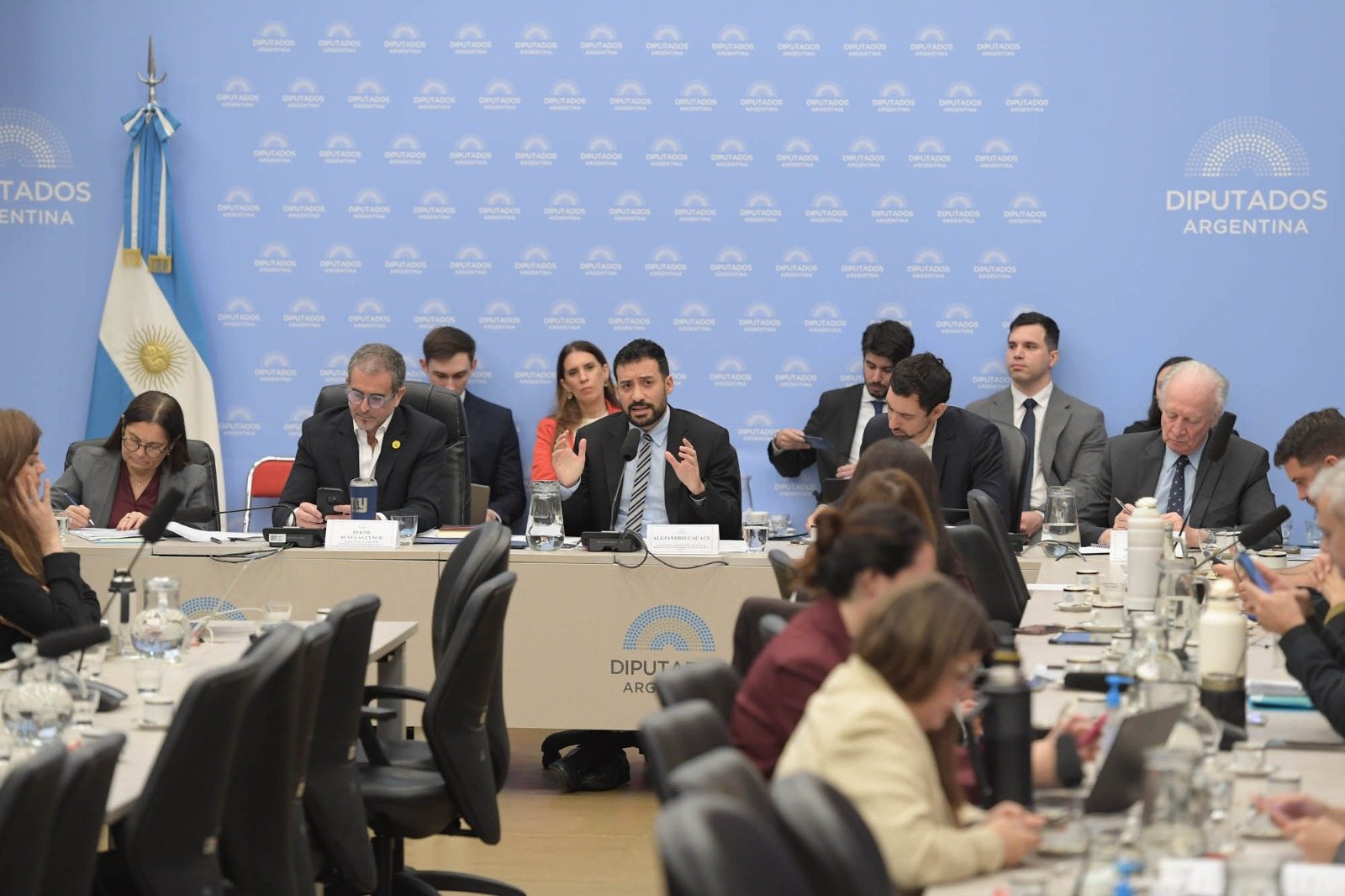
The 2027 budget bill cleared a lower-house committee on Tuesday after President Milei’s party dropped six articles that tightened disability pensions and restored automatic adjustments to child benefits.
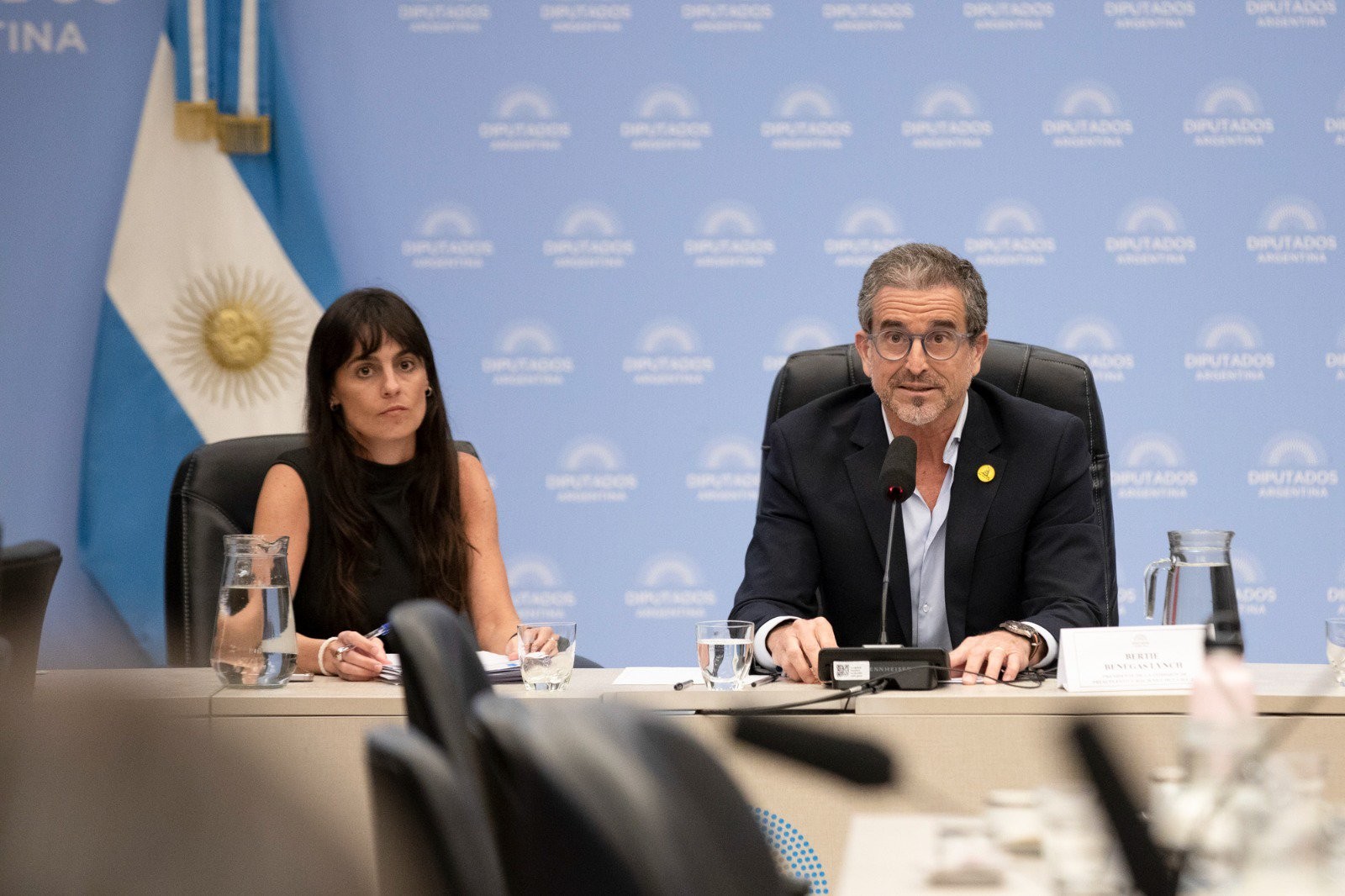
The Budget and Finance Committee of the Chamber of Deputies, the lower house of Congress, issued a majority report, the step before a vote of the full chamber, with 27 signatures from its 48 members. Its chair, Alberto “Bertie” Benegas Lynch, of Milei’s party, said seven came from allied groups. Some allies signed in partial dissent, meaning they back the report but object to parts of it.
The report removes articles 36 to 41, which would have made disability pensions incompatible with formal employment and made them harder to get. Milei’s party had agreed in October to drop the disability provisions. The report also restores the automatic adjustment of the Universal Child Allowance (AUH) and of family allowances, which the government’s original text had ended. Laura Rodríguez Machado, the only deputy from Milei’s party to speak, said: “We kept our word.”
Ámbito reported that the party also won allies’ backing by promising money from discretionary budget lines, including for specific public works. Eduardo Falcone, of the MID, a small party, said funding for a stretch of National Route 5 that he had asked for would come from the cabinet chief’s office.
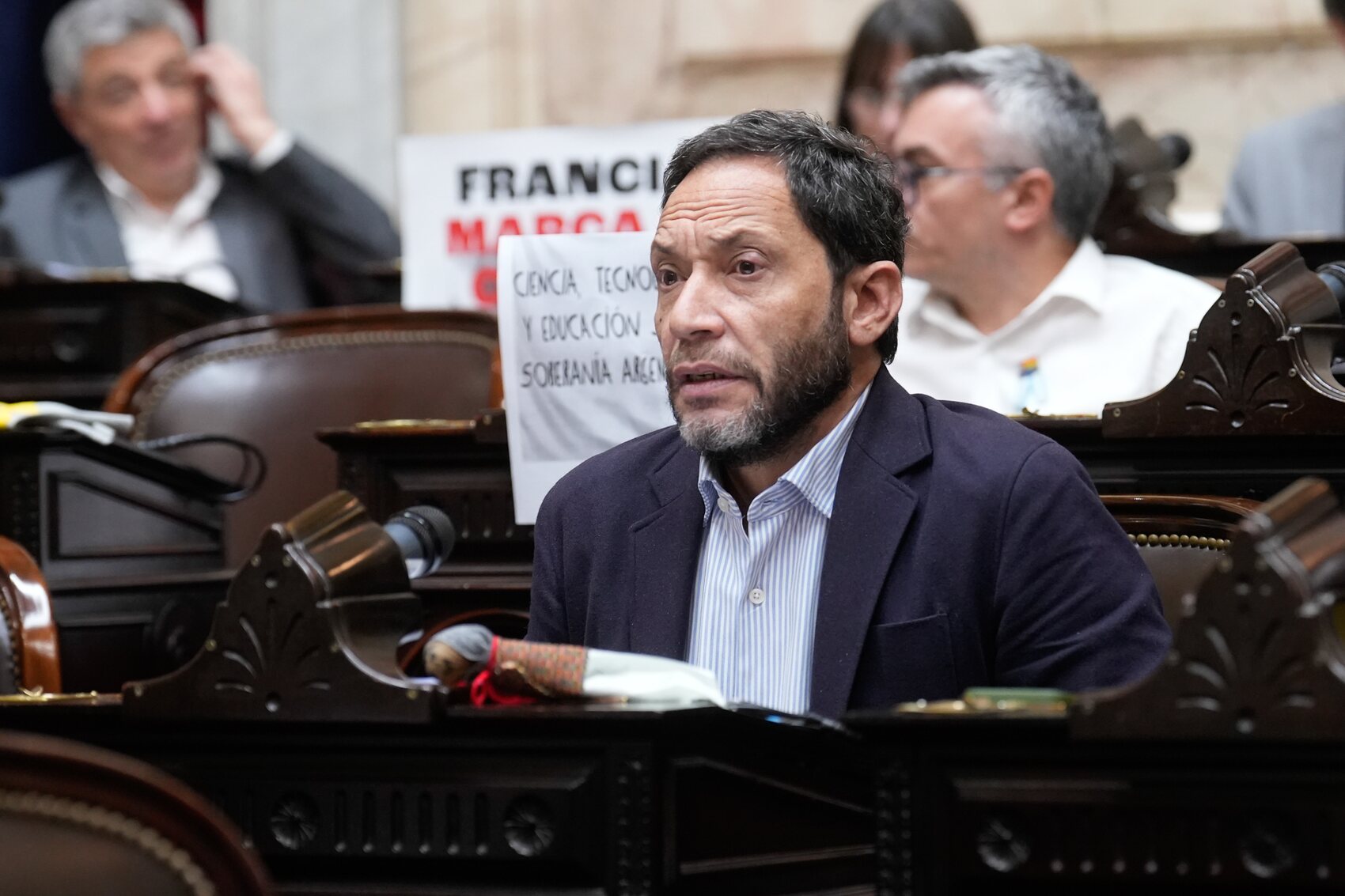
The Peronist opposition filed its own report, which earmarks money for laws the government has left unfunded, such as the university financing law. Germán Martínez, who leads the Peronist bloc, said the room was “full of traitors to the popular mandate,” aimed at Peronist-party deputies who backed the governing party’s text.
Deputies aligned with the governors of Córdoba and Santa Fe, who did not take their seats at Wednesday’s session, which could not open for lack of attendance, say their budget demands are unanswered. The governing party wants a vote of the full chamber on Nov. 25, so the lower house passes the budget before the regular session period ends on Nov. 30 and the Senate can take it up in extraordinary sessions, which the president calls outside the regular period, before year end.