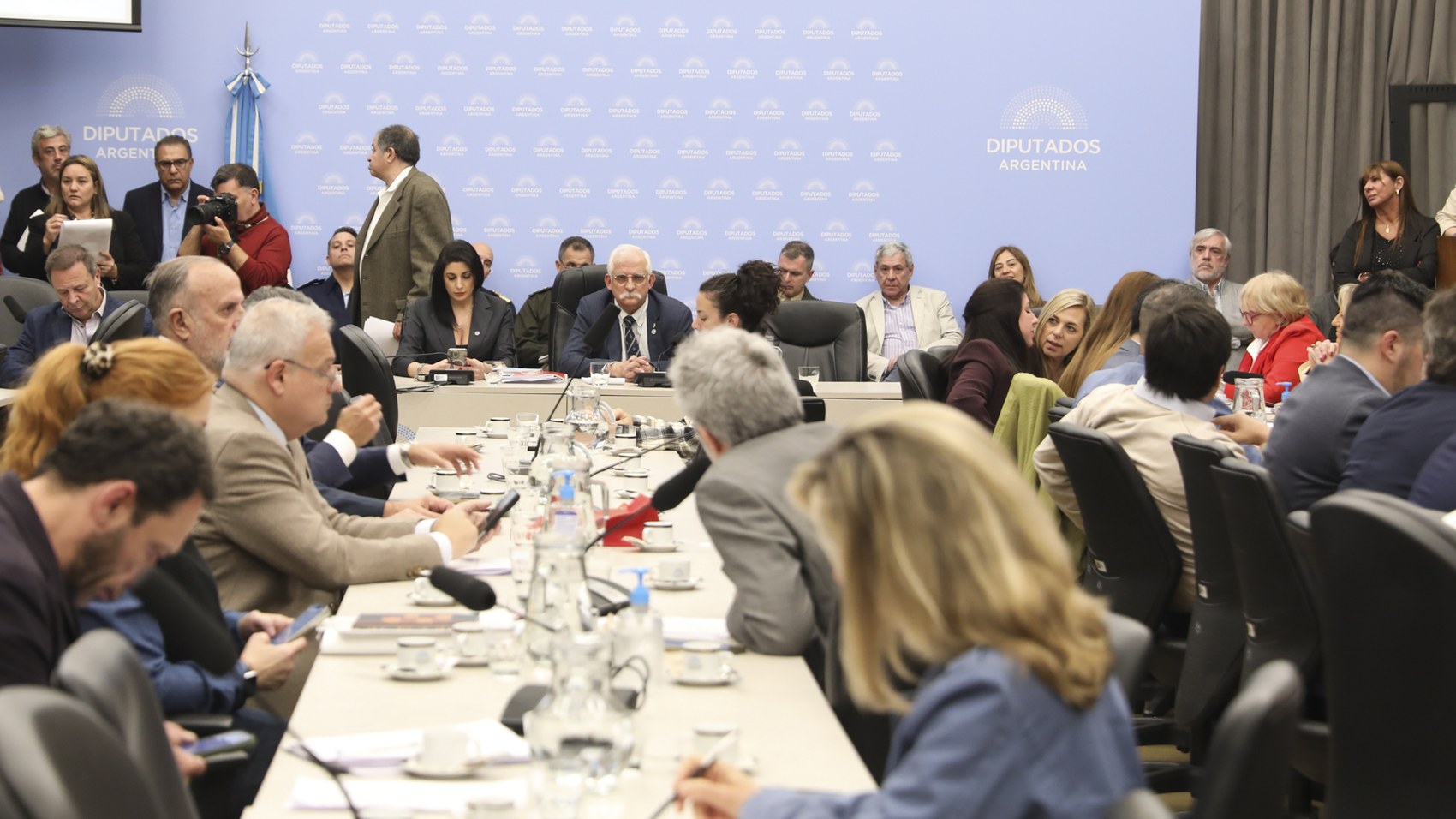
Argentina’s lower house could not open a session on Wednesday to vote on the government’s Malvinas (Falkland Islands) bill and a central bank law: 126 of the 129 deputies needed were present.
President Milei’s party, through its leader in the chamber, Gabriel Bornoroni, had requested the session, a special one outside the chamber’s regular schedule, for noon. A session can open only when a majority of the 257 deputies, or 129, are present, a minimum known as a quorum. Chamber president Martín Menem gave deputies the half hour the rules allow, then ended the attempt.
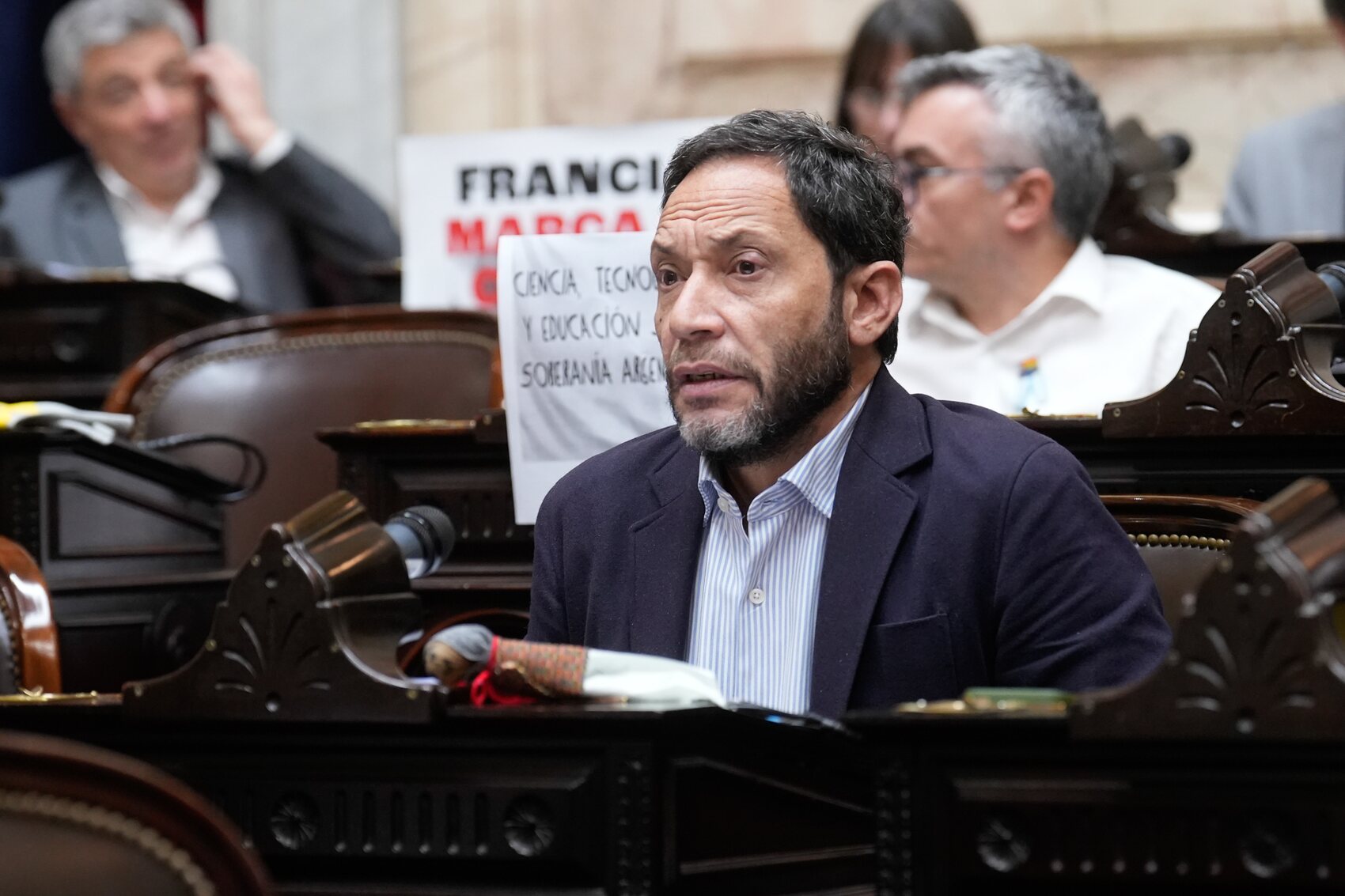
The failure leaves both bills without a vote, with less than two weeks left in Congress’s regular session period. Milei’s party and the allies that backed the session, among them ex-President Mauricio Macri’s PRO party, mustered 126. Deputies aligned with the governors of Córdoba and Santa Fe, Martín Llaryora and Maximiliano Pullaro, who sit in the Provincias Unidas group, came into the chamber but, with one exception, did not take their seats. Also staying out were the MID, a small party; one PRO deputy, Álvaro González; and the Peronist and left-wing opposition.
The governors’ deputies want the fourth of the lower house’s four seats on the Council of the Magistracy, the body that selects and oversees judges. They also say their requests on the 2027 budget went unanswered, and they want a biofuels bill, stalled in committee after PRO objections, to move ahead. Eduardo Falcone, of the MID, told Ámbito his group stayed out over the section of the electoral reform that affects political parties.
The Defense of National Sovereignty bill, known as the Malvinas bill, headed the agenda. It would penalize companies that explore for or exploit natural resources around the islands without Argentine permission, reorganize defense and intelligence agencies and create a national security council under the president. Lower-house committees backed it in late October. The government has narrowed the text, but opposition lawmakers and some allies say a chapter setting criminal penalties for campaigns of foreign interference in elections is still worded too broadly and could threaten free speech. Because that chapter changes electoral rules, it needs 129 votes, which the government was not sure of getting.
Also pending was the final vote on the central bank charter, which would make preserving the currency’s value the bank’s main mission and bar it from financing the Treasury. Deputies passed it 144 to 102 on Aug. 26, according to the chamber’s official X account. The Senate approved it with changes in September, so the lower house had to decide whether to accept them, the last step before it becomes law. Also on the agenda: a free-trade agreement between Mercosur, the South American trade bloc, and Iceland, Liechtenstein, Norway and Switzerland; an amendment to Mercosur’s services protocol; two agreements moving some criminal cases to Buenos Aires city’s courts; and a small-business law change.
Deputies reacted on X. Romina Diez, of Milei’s party, blamed petty, short-term interests for the collapse. Blanca Osuna, of the Peronist opposition, said the two bills put the country’s political and economic sovereignty at stake. PRO said it would keep working to get them through.
Hoy íbamos a sancionar la ley de Soberanía para proteger nuestras Malvinas y la ley de reforma de carta orgánica del BCRA para proteger nuestra moneda. Se cayó la sesión por intereses mezquinos, chiquitos y cortoplacistas. La política de siempre oponiéndose al cambio.
Translation: "Today we were going to pass the Sovereignty law to protect our Malvinas and the law reforming the central bank's charter to protect our currency. The session fell because of petty, small and short-term interests. The usual politics of opposing change."
Se cayó la sesión y no pudieron tratarse dos proyectos del oficialismo que ponen en juego la soberanía política y económica de nuestro país. Uno flexibiliza las sanciones por la explotación ilegal de nuestros recursos en Malvinas. El otro busca limitar las herramientas del Estado para impulsar la producción y el trabajo.
Translation: "The session fell and two of the governing party's bills that put our country's political and economic sovereignty at stake could not be taken up. One loosens the penalties for the illegal exploitation of our resources in Malvinas. The other seeks to limit the State's tools to promote production and employment."
Deputies are due back on Nov. 25 to vote on the 2027 budget. Congress’s regular session period ends on Nov. 30, and the government has said it will call extraordinary sessions, which the president convenes outside that period, in the first weeks of December.