Argentina’s lower-house committees backed the government’s Malvinas (Falkland Islands) sovereignty bill Tuesday, after it was rewritten to narrow sanctions on foreign oil companies following US concerns.
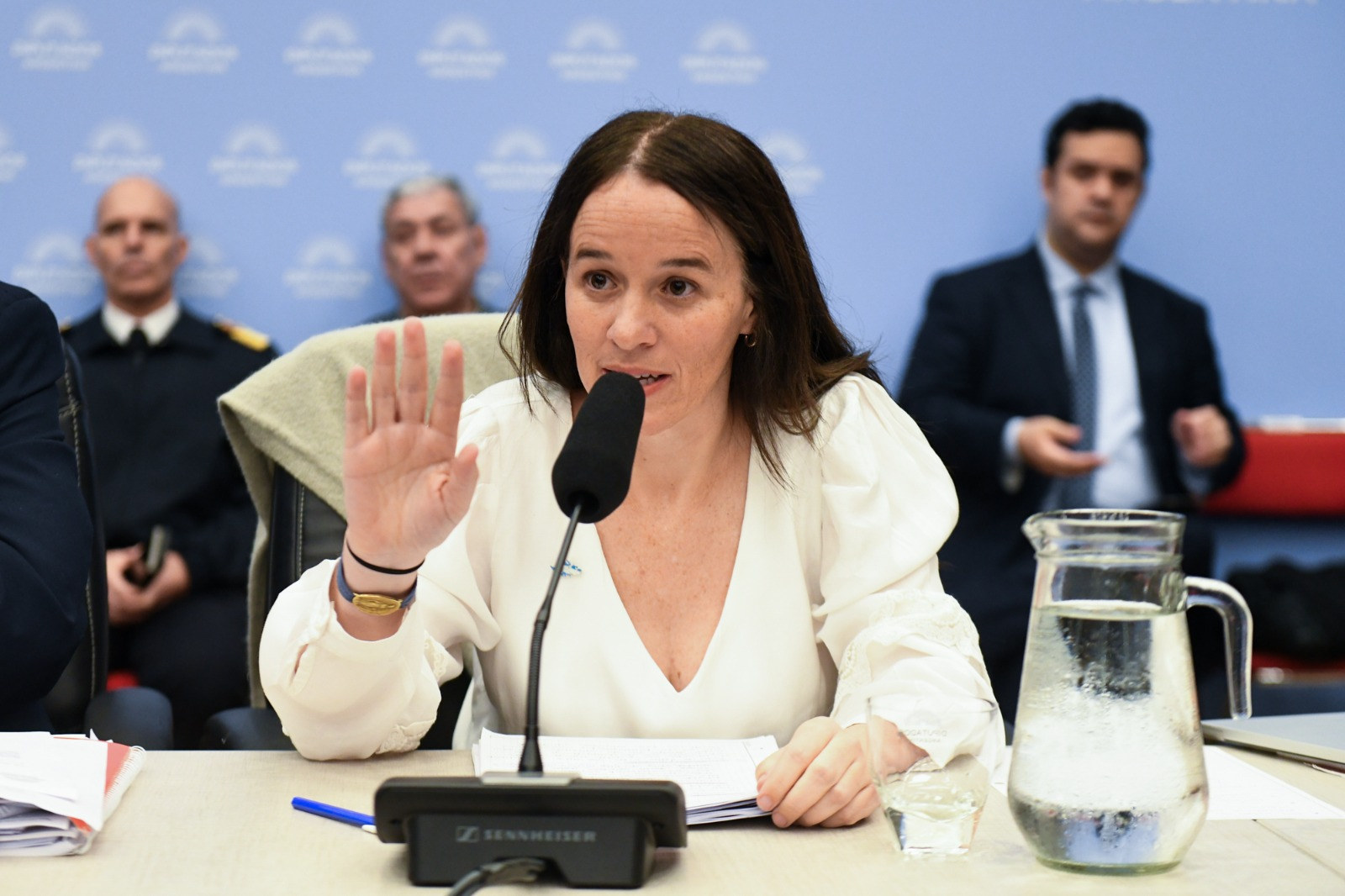
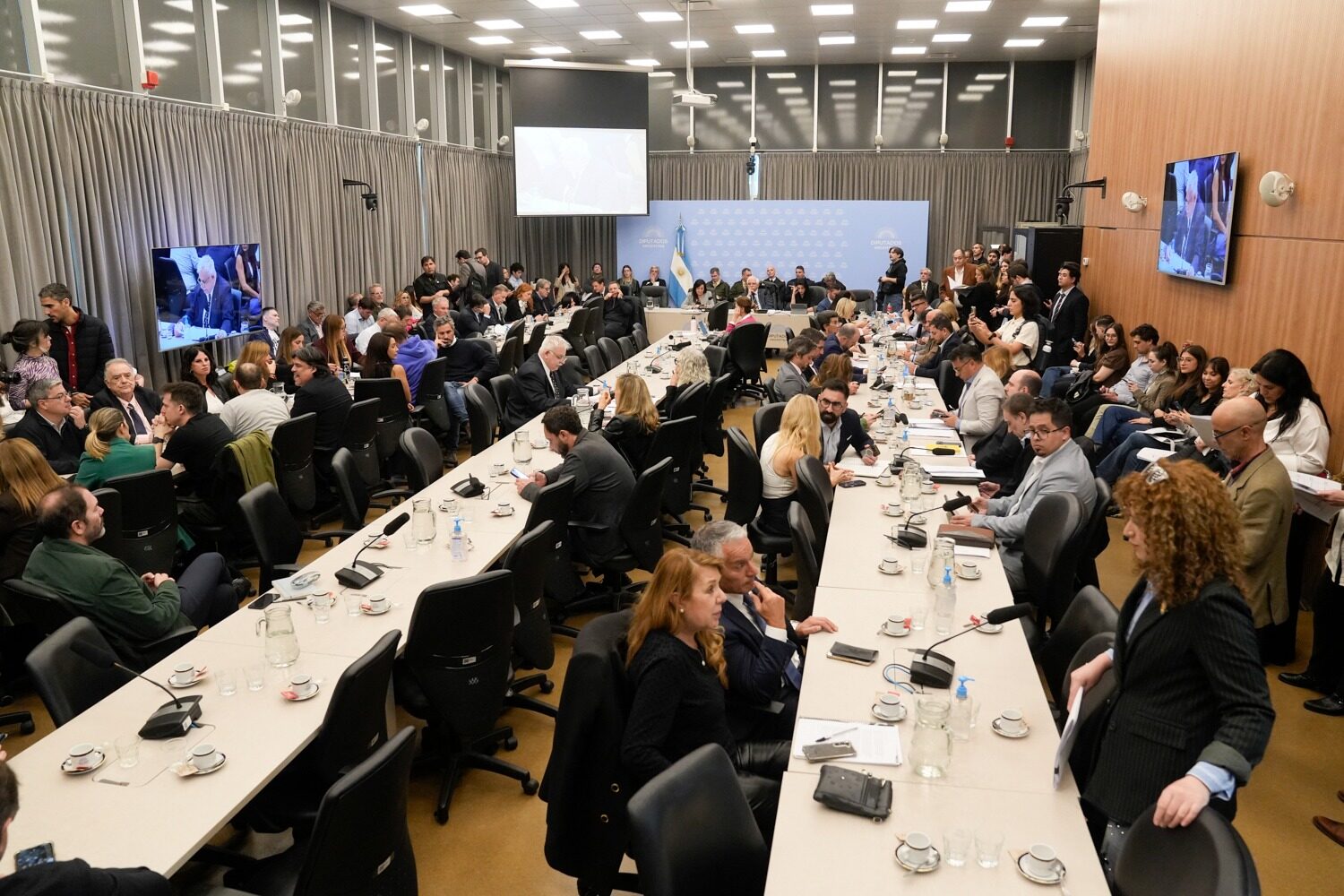
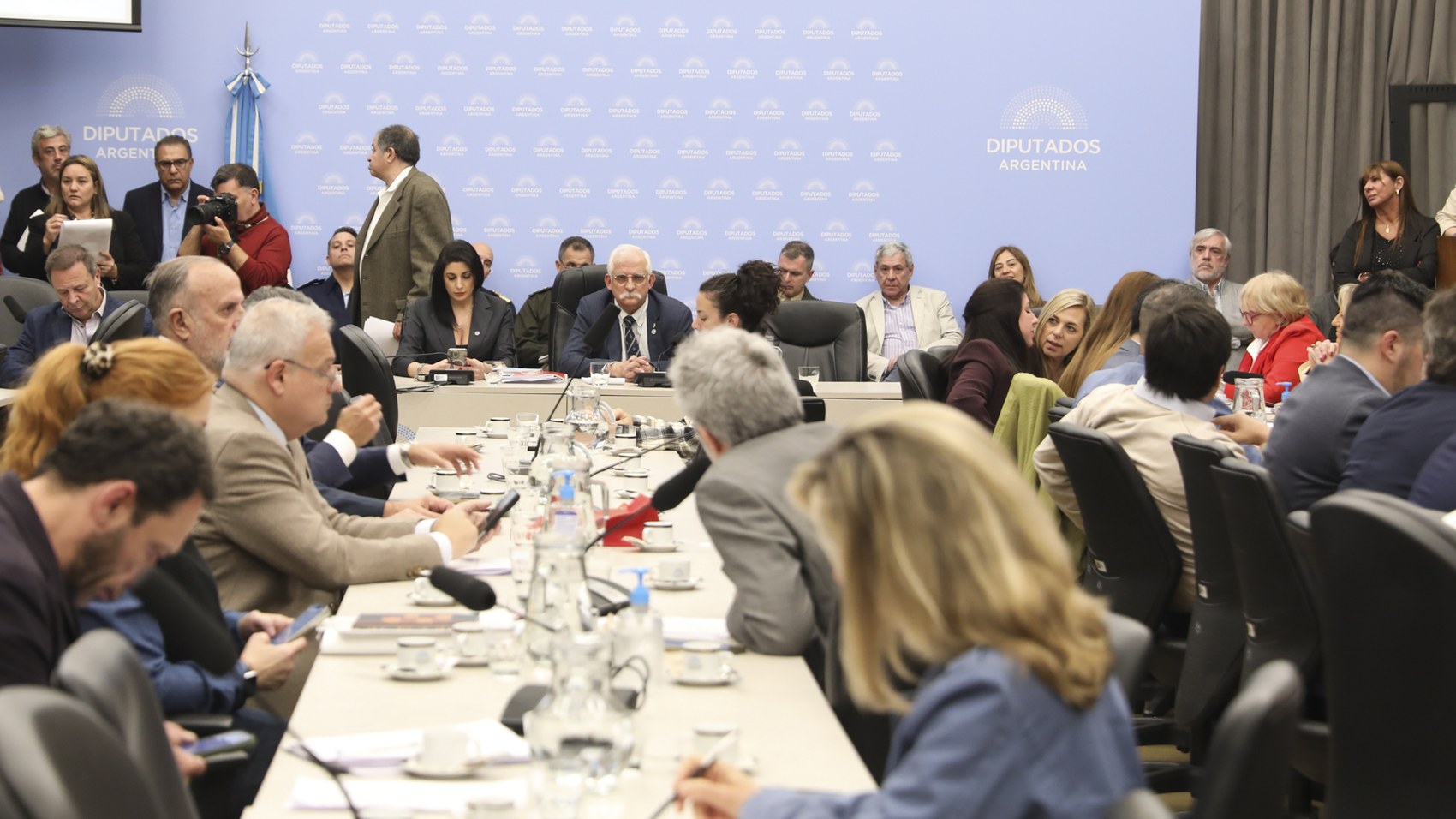
The committees on defense, criminal law and foreign affairs issued a majority report, the step before a vote of the full chamber, with 60 signatures from the 104 members present, including allies from the PRO party and the Radical Civic Union (UCR). Peronist lawmakers filed their own minority report with 38 signatures and rejected the parts of the bill unrelated to the Malvinas.
The bill, which President Milei sent to Congress in September, would penalize any person or company that develops natural resources in waters around the islands without Argentine permission, that knowingly supplies goods or services essential to the work, or that holds a stake in or controls a company doing it. According to the committee text, penalties can include fines of up to 500,000 barrels of oil, cancellation of Argentine licences and bans of up to 20 years on doing business in Argentina.
The text exempts individuals holding up to 2% of a company’s capital and passive investment funds, as long as they name no board members, and tells regulators to punish those who do the work directly more heavily than suppliers, shareholders or controlling companies. A separate criminal chapter sets prison terms of 8 to 20 years for people who explore for or produce oil or other resources around the islands without permission.
The changes follow US concerns, raised by Deputy Secretary of State Christopher Landau and another US diplomat during their visit to Buenos Aires last week, that the penalties could reach American firms. The government had already reworked the text before the committees met.
Another part of the bill creates a crime of foreign interference, punishable by 5 to 12 years in prison, for knowingly acting for a foreign state or agent in a clandestine, deceptive or coercive campaign to alter an election or the political will of the population. The text says diplomacy, journalism, academic research and open lobbying do not count. Some allies and opponents still say the chapter could threaten free speech, and ruling-party sources acknowledged that “as it stands, it won’t get through the chamber,” adding that they will keep changing it.
The governing party, La Libertad Avanza, aims to bring the bill to a vote of the full chamber on Nov. 12, and the Senate would also have to approve it. Just before that, on Nov. 10 and 11, the international law of the sea tribunal in Hamburg hears Argentina’s request, filed against the UK government, to pause Sea Lion, the oil project that Britain’s Rockhopper Exploration and Israel’s Navitas Petroleum are developing north of the islands.