

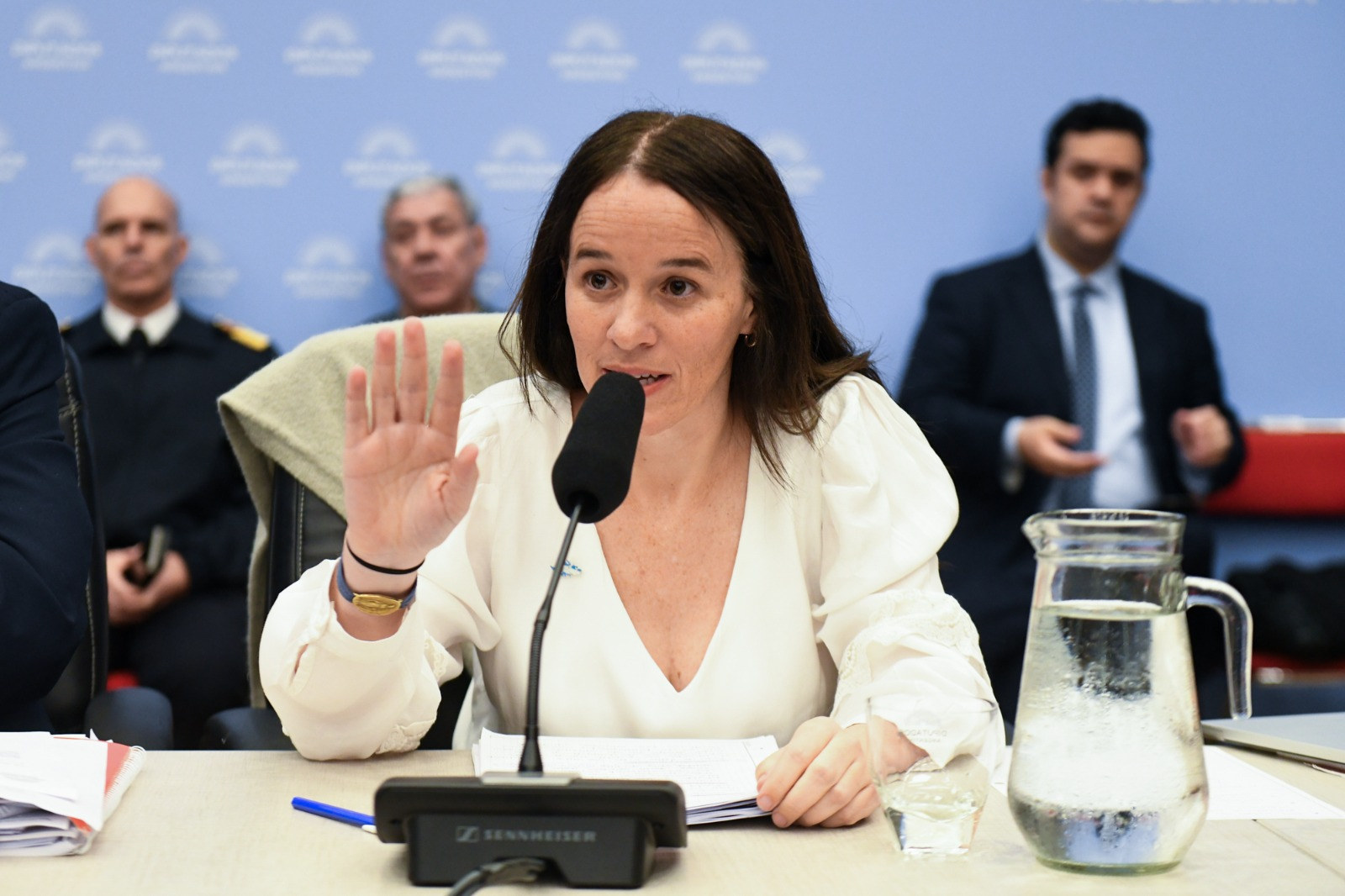
Argentina’s government has revised its bill to sanction foreign oil companies that work in the Malvinas (Falkland Islands) and will seek a committee report on Tuesday, days after a senior US diplomat said Washington is watching how the bill affects American firms.
The Chamber of Deputies, the lower house of Congress, has the bill. A committee report, the sign-off needed before a vote of the full chamber, has eluded the governing party: four joint committee meetings ended without enough signatures, and a fifth, set for October 20, was cancelled. The defense, criminal legislation and foreign affairs committees are now due to meet at 4 p.m. on Tuesday, October 27.
Government sources describe the changes as technical. They say the new text defines more precisely what is punishable, and a version now with allied lawmakers drops the vaguest wording of article 111, which sets prison terms of up to 12 years for people who, acting for a foreign agent, try to alter elections or manipulate public opinion through disinformation. Journalists’ groups had warned that the article threatens free speech. The sources say the bill stays the same in essence and will not be split into separate laws, as the opposition has asked. Asked what was conceded to US business, they answered: “We only adjusted the articles that were broad or vague so there is no doubt about their scope.”
Deputy Secretary of State Christopher Landau made the US concern public at a news conference on Thursday, saying Washington is looking at its companies’ interests while respecting Argentina’s legislative process. The bill’s penalties reach suppliers and others tied to the companies drilling off the islands, which could catch American firms.
Allies of the governing party have asked for further changes. The main open point is the National Security Council the bill would create: the government wants it made up of executive officials, with lawmakers only on a separate follow-up commission, while the parties in Congress want a place on it. The Kirchnerists, the wing of Peronism loyal to Cristina Fernández de Kirchner, want a separate vote on the company sanctions alone. Presidency sources reject reports that the bill is on hold: “Our goal is that it be taken up, voted on and approved.”
Even within the governing party, some say the signatures are not yet there and that a full-chamber vote this month is “science fiction,” Infobae reported. Government officials had wanted the lower house to pass the bill before the end of October. With several deputies due in Washington for the US elections and a possible papal visit on November 8-11, the date now being used is November 18, ruling-party sources told the outlet, and the bill would then still need approval by the Senate.