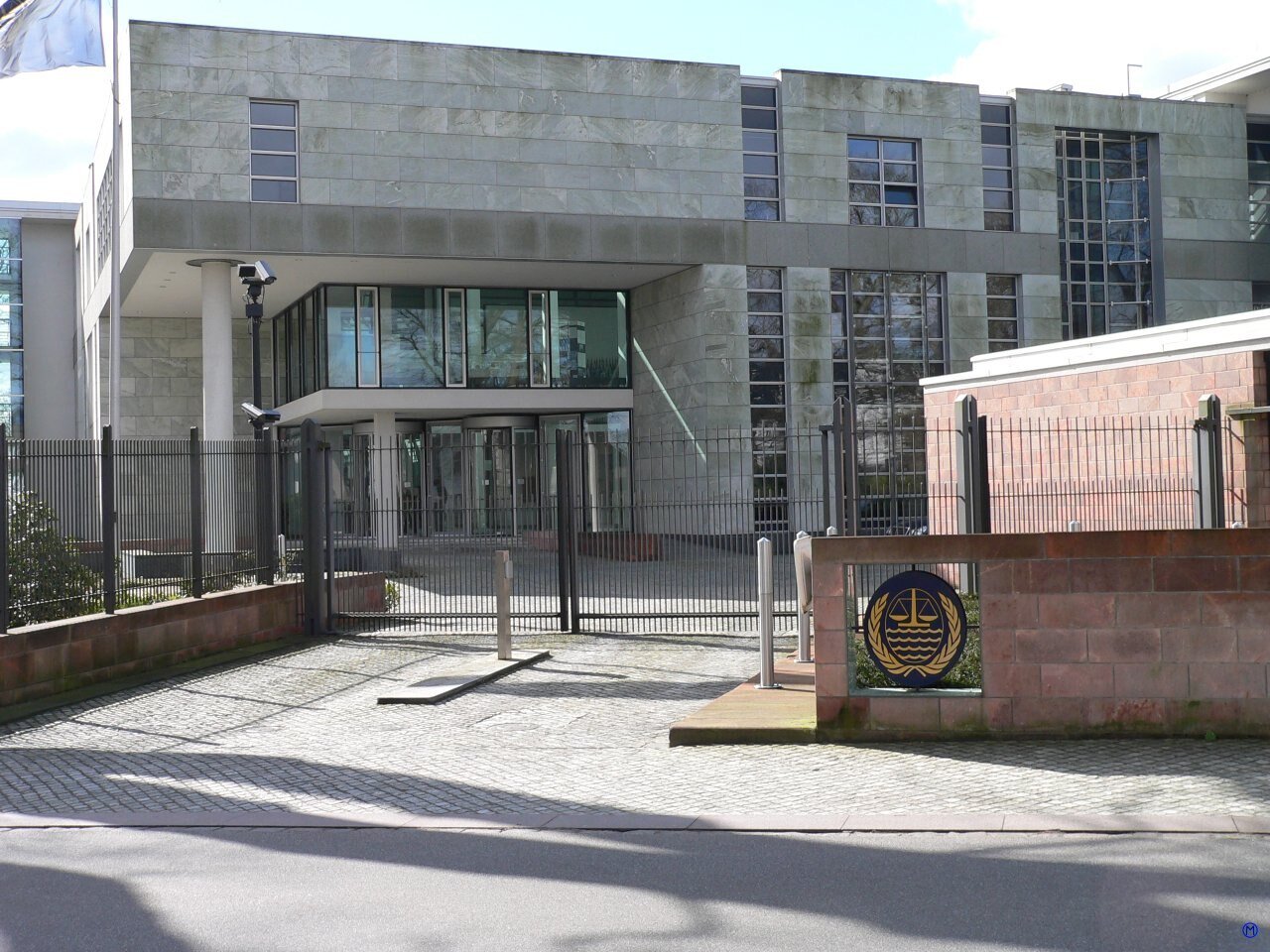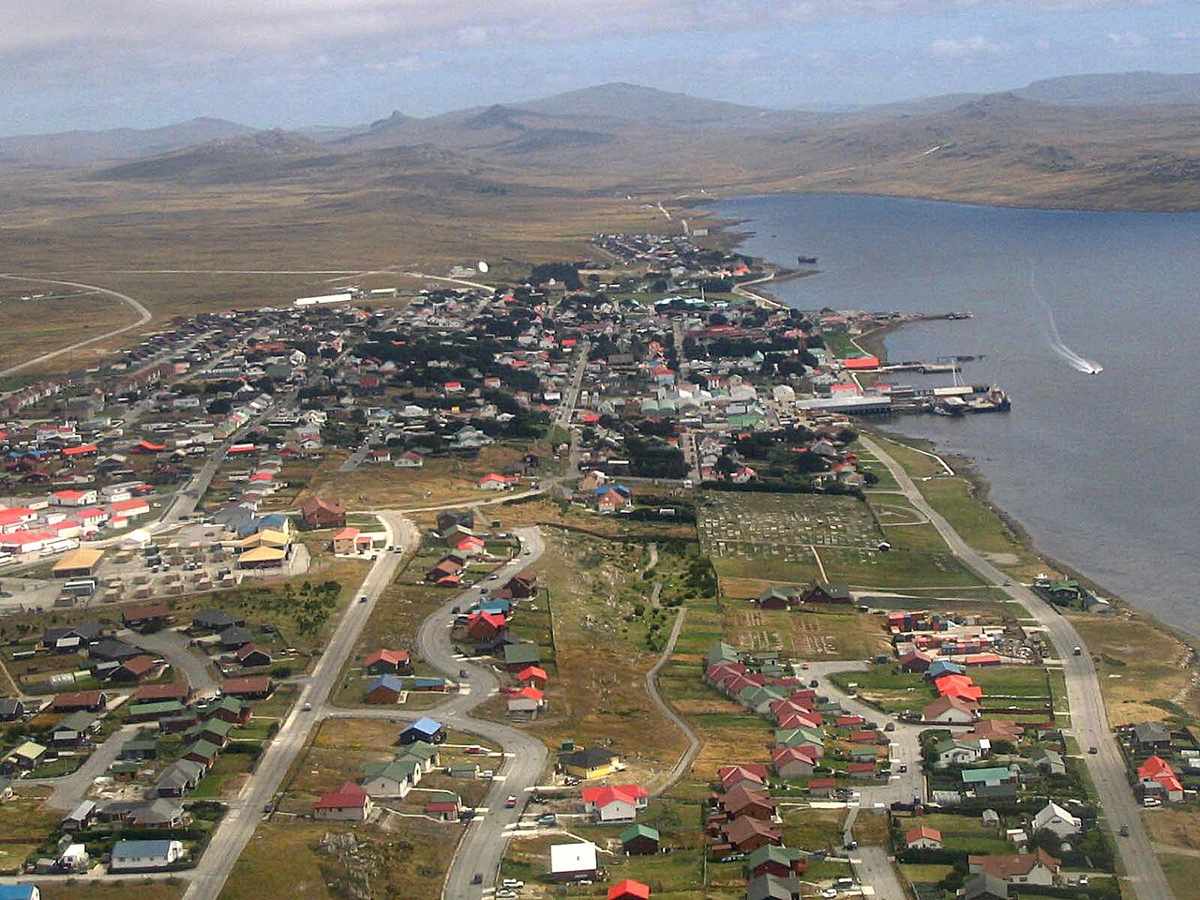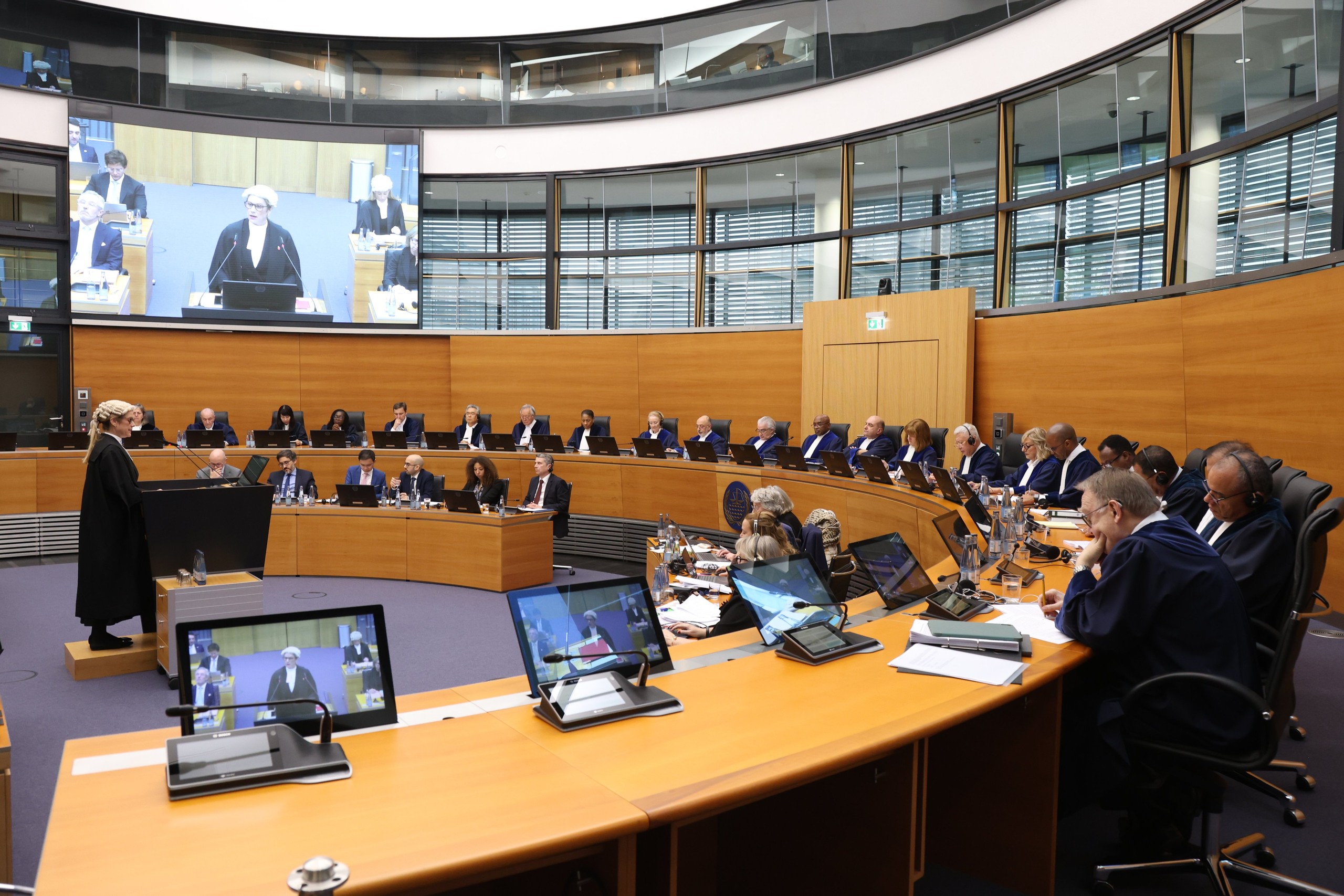
The Law of the Sea tribunal in Hamburg heard Argentina and the UK government on Nov. 10 and 11 on Argentina’s request to halt Sea Lion, an oil project north of the Malvinas (Falkland Islands). Judge Maurice Kamga, president of the International Tribunal for the Law of the Sea, said at the close that its order is tentatively set to be read on Saturday, Nov. 28, at noon.
An order would bind both countries under the UN Law of the Sea Convention, but it would not decide who owns the islands: it is a stopgap until a separate arbitration panel, still being formed, hears the main case.
Argentina’s original request, filed on Oct. 13, asked for four orders. Its final submission on Nov. 11 narrowed the first: the UK should ensure no new drilling for exploitation and no installation of production infrastructure at Sea Lion. It also asks the judges to bar London from using exploration data against Argentina’s rights, to stop it from preventing Argentina from protecting the marine environment, and to avoid steps that would aggravate the dispute, such as new permits.
Argentina’s agent, Mario Oyarzábal, the Foreign Ministry’s legal adviser, told the judges that “what is at stake cannot be restored,” because oil once extracted cannot be put back. Counsel Nico Schrijver said drilling is due to start within months, before the arbitration panel can act: “If not now, it is never.” Counsel Marcelo Kohen argued the tribunal can rule on interim measures without deciding sovereignty.
The UK delegation, led by Attorney General Ellie Reeves, the government’s chief legal adviser, asked the judges to reject every request. Britain agreed to have tribunals settle law-of-the-sea disputes but not questions of sovereignty over its territories, Reeves said, and Argentina’s claim rests on sovereignty. “In reality, what Argentina opposes is the Falkland Islands Government licensing hydrocarbon activities for the economic benefit of the Falkland Islanders,” she said.
On urgency, the UK told the tribunal that drilling will not start before March 21, 2027, and that extraction will not begin before March 2028. London’s counsel said suspending the project would make it collapse, and cited an assessment in a statement by Jack Ford, a member of the islands’ Legislative Assembly in Stanley, that it will add more than £8 billion to the islands’ economy over its life. Counsel also said Rockhopper would lose more than US$1 billion it has invested.
Reeves told the tribunal that the UK named its member of the arbitration panel on Oct. 22 and that the two sides are meeting to choose the other three. Once formed, that panel can keep, change or end any order the Hamburg tribunal issues.