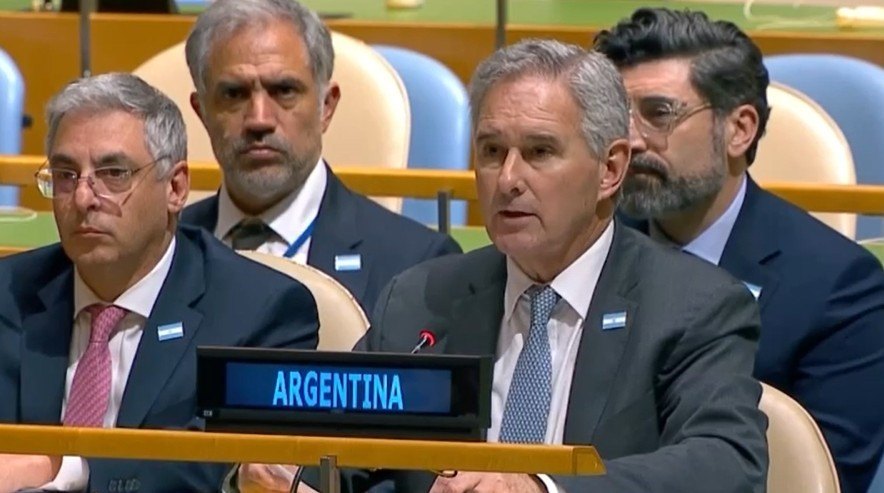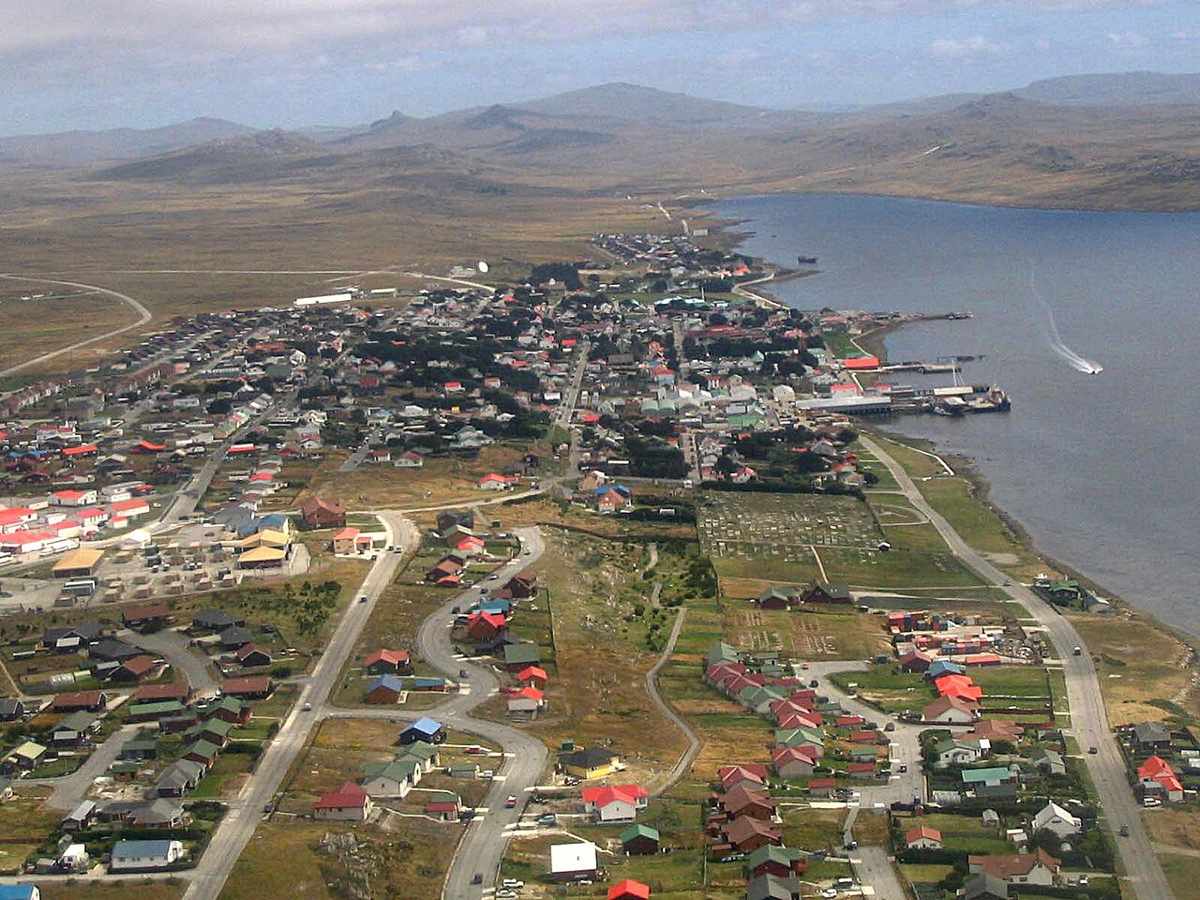
Few causes unite Argentines like the Malvinas. Governments of every political stripe have pressed the claim since Britain took control of the islands in 1833, and this September the current one made it the center of its foreign policy.
The claim has more behind it than sentiment. UN General Assembly Resolution 2065 of 1965 calls on Argentina and Britain to negotiate, and Resolution 31/49 of 1976 asks both to avoid unilateral changes while the dispute is open. Argentina’s argument is that drilling for oil in waters both sides contest is exactly such a change. Britain’s reply, that sovereignty is not up for discussion unless the roughly 3,500 islanders want it to be, leaves the call to negotiate unanswered. A dispute in which one side will not talk is one that keeps returning in sharper forms.
Britain’s reply also carries weight, and Argentina’s case is strongest when it reckons with it. The islanders are not a footnote: in a 2013 referendum, 99.8% of voters chose to remain a British overseas territory. Argentina’s own constitution pairs its claim with a pledge to respect the way of life of the islands’ inhabitants. The president’s September 3 address took a harder line, saying the islanders have no legitimate right to self-determination. The Argentine position persuades more when it speaks to the islanders than when it dismisses them, and a settlement that earns their trust is the only kind that could last.
The government’s most credible moves of the past month are the ones that run through the law. On September 28 it opened arbitration under the UN Convention on the Law of the Sea. On October 13 it asked the International Tribunal for the Law of the Sea in Hamburg for interim orders on the Sea Lion oil project north of the islands. Britain says it will contest the panel’s jurisdiction, and the judges will have to settle that first. Either way, Argentina has put its argument before independent judges, kept an open invitation to bilateral talks and given London a chance to make its case in the open. That is how a claim becomes more than a statement.
Pressure on companies is a weaker instrument. Argentina has sent roughly 180 warnings, listed 60 companies and individuals for sanctions and filed criminal complaints naming executives, and Halliburton, SLB and Baker Hughes have stepped back from Malvinas oil work. Yet by Britain’s overseas territories minister’s account, none of the administrative files had produced a penalty by September, and the project’s operator says it is replacing contractors and still expects first oil in 2028. A sovereignty bill now in committee would allow prison terms of up to 20 years for unauthorized exploration in waters Argentina claims. Laws like that are easy to pass and hard to enforce against companies abroad, and they risk turning a legal case into a quarrel with the investors Argentina also wants.
A claim held across the country is best served by a policy the whole country can back. A poll taken days after the president’s address found six in ten Argentines believe the harder line reflects political convenience rather than conviction. Congress is the place to answer that doubt: debate the bill openly, with the opposition at the table, and not as the 2027 campaign takes shape.
None of this asks Argentina to give up anything. It asks Argentina to press its claim where it is strongest: in tribunals, at the UN and at a table London has so far declined to sit at, with a country united behind the effort. Argentina has said it is ready to talk. The next step is Britain’s, and the more Argentina keeps to the law, the harder it will be for London to keep refusing.