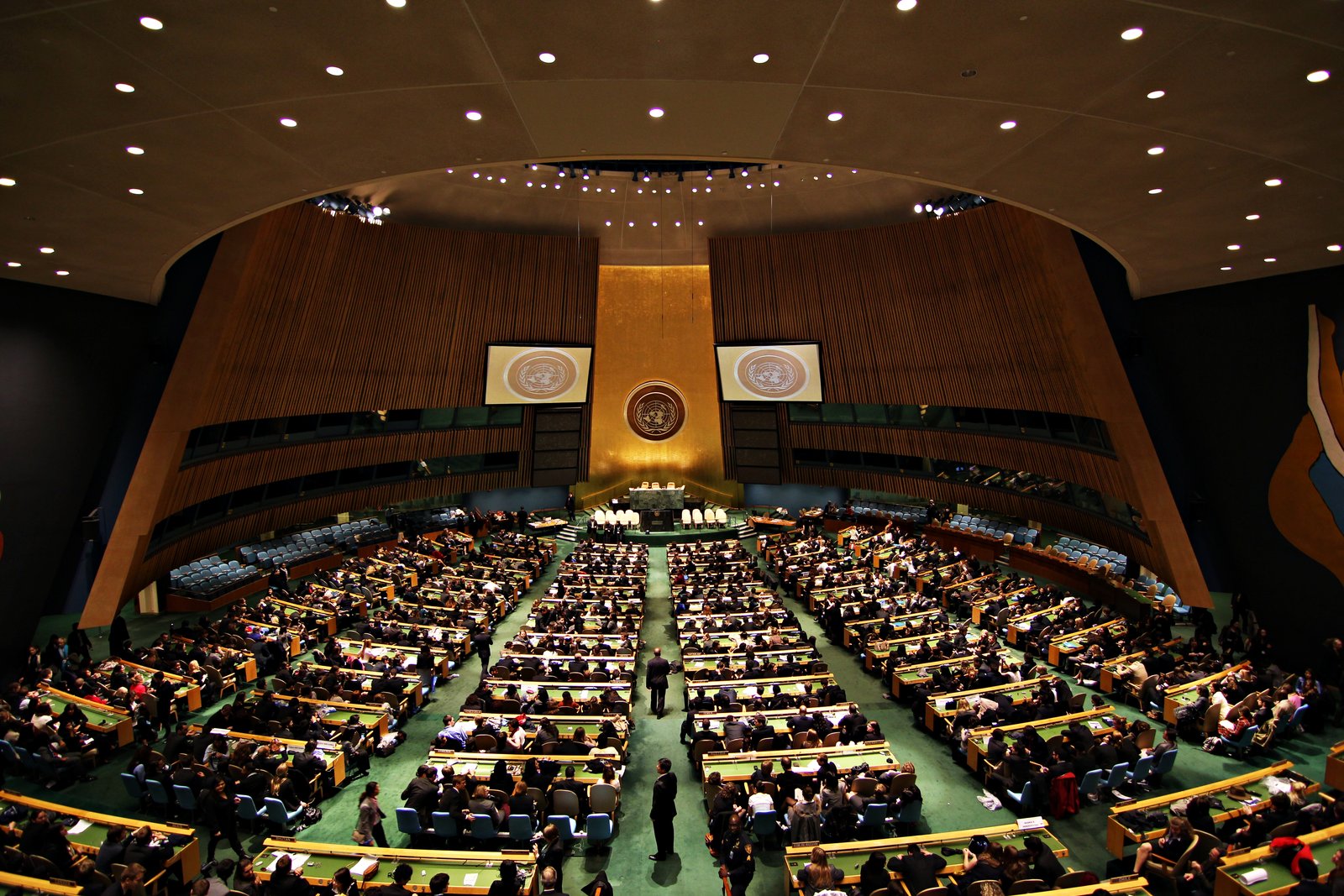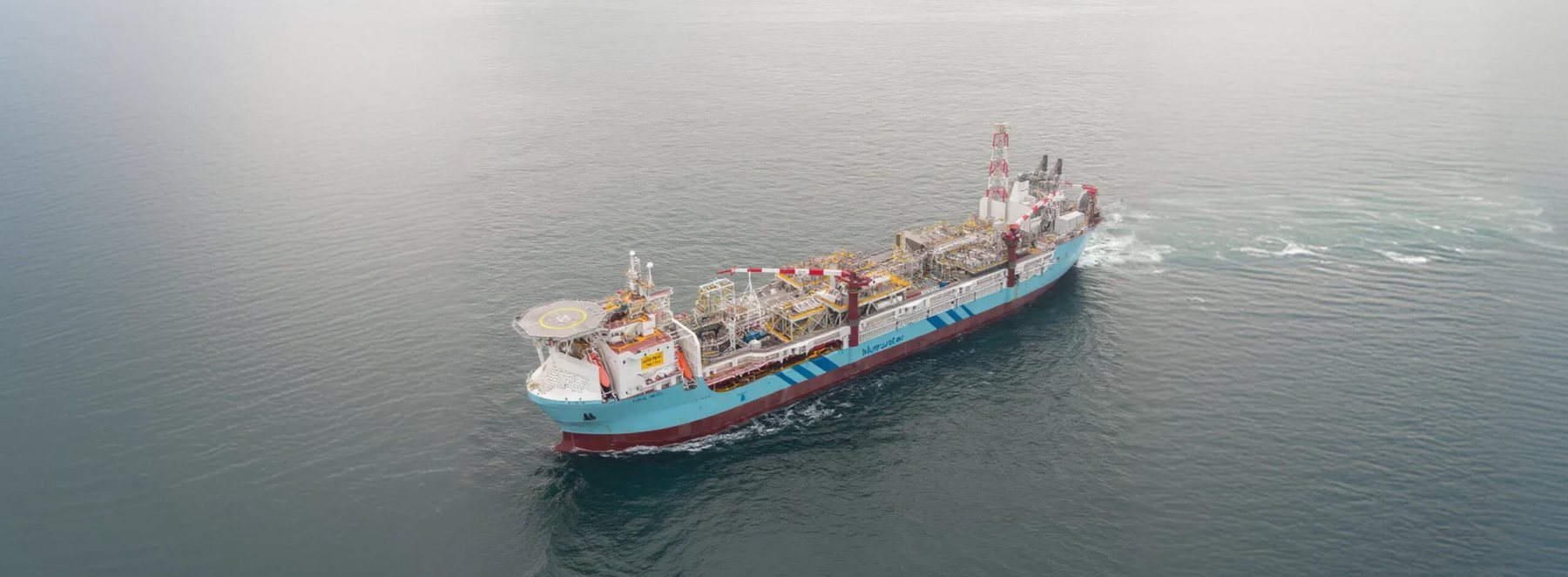
The UK government has asked Interpol, the international police organisation, to reject Argentine requests for the arrest of people involved in the Sea Lion oil project off the Malvinas (Falkland Islands), The Guardian reported on October 13.
A letter sent to Interpol’s headquarters in Lyon, France, argues that Argentina’s requests for “red notices”, including some covering British nationals, should be treated as politically motivated. A red notice asks police in other countries to locate a person and provisionally arrest them pending extradition. Interpol screens each one before circulating it, and each member country then decides whether to act.
Interpol replied that it would respect Article 3 of its constitution, which forbids it from intervening in or carrying out activities of a political character. UK government sources describe the requests as an attempt to bully people and companies out of working on the islands.
Argentine Foreign Ministry sources reject that account. They told La Nación that the British strategy of “demonizing” Argentina is false and denied that any arrest request had been filed against executives of the companies running Sea Lion. The denial covers executives; the Guardian’s report refers to requests for individuals involved in the project, including British nationals.
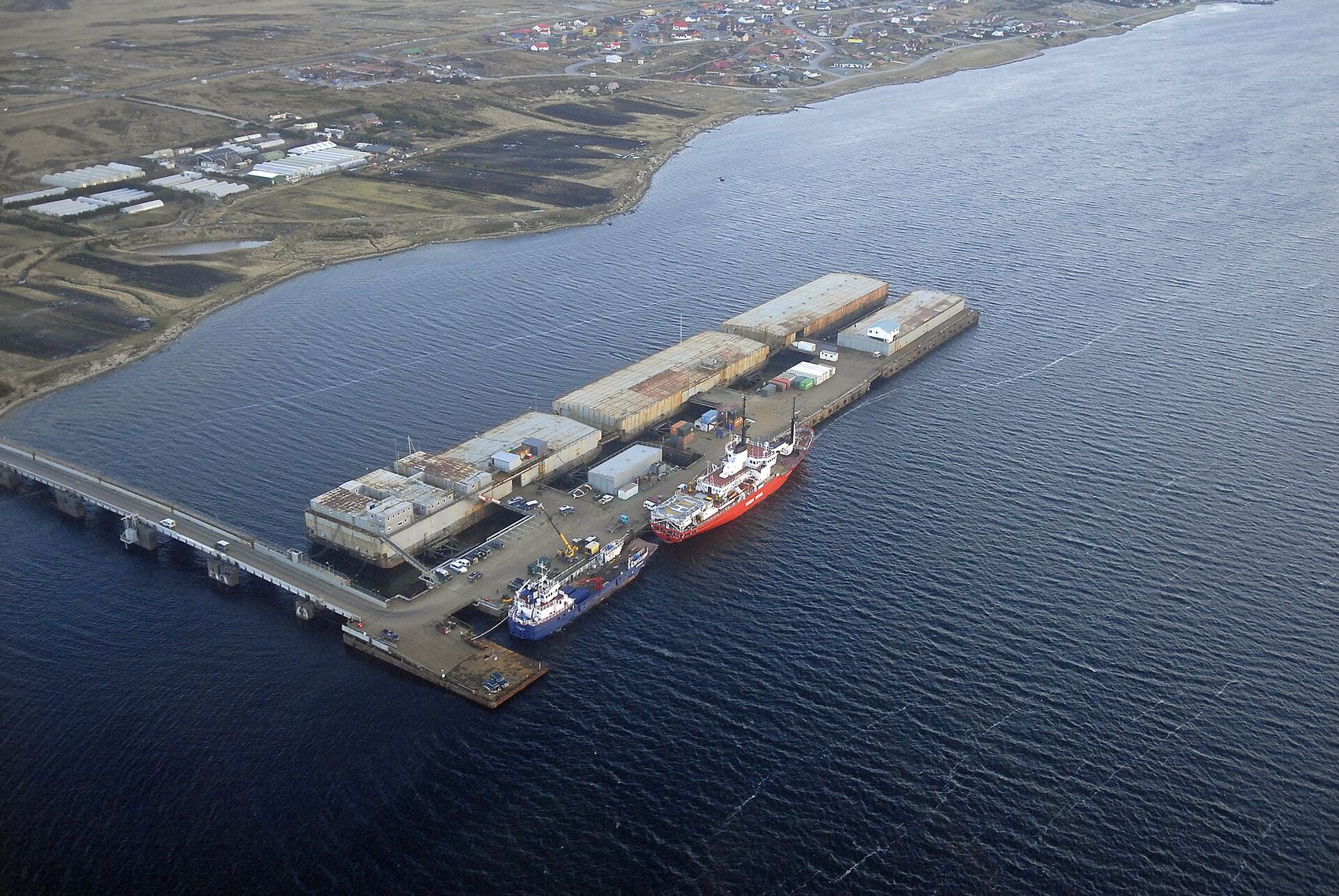
The dispute matters beyond the boardroom. Workers in the islands’ oil and fishing industries fear being detained if they travel, particularly to South America. Andrea Clausen, chief executive of the Falkland Islands Government, the islands’ own administration in Stanley, called Argentina’s use of Interpol a threat but said “one would hope that Interpol wouldn’t necessarily take action.”
The letter is one of several fronts. Argentine President Milei’s government has opened criminal proceedings against Navitas and Rockhopper, and a sovereignty bill before Congress would extend sanctions to their affiliates, shareholders, suppliers and financial intermediaries. On October 13, Buenos Aires also asked the Law of the Sea tribunal for emergency orders against the project, which the President’s Office said is meant to protect natural resources and stop British actions from aggravating the dispute.
Foreign Secretary Ed Miliband told MPs the UK will use its Protection of Trading Interests law, which bars British companies from complying with certain foreign measures, to shield businesses working in the islands. “Argentina’s attempts to intimidate businesses and individuals engaged in legitimate commercial activity are unacceptable,” he said.
UK officials say Argentine pressure on the islands is at its highest since the 1982 war, which killed 649 Argentine and 255 British military personnel and three islanders.