Argentina’s governing party may move its lower-house vote on the 2027 budget from Nov. 18 to Nov. 25, and extra sessions of Congress in December are now hard to avoid.
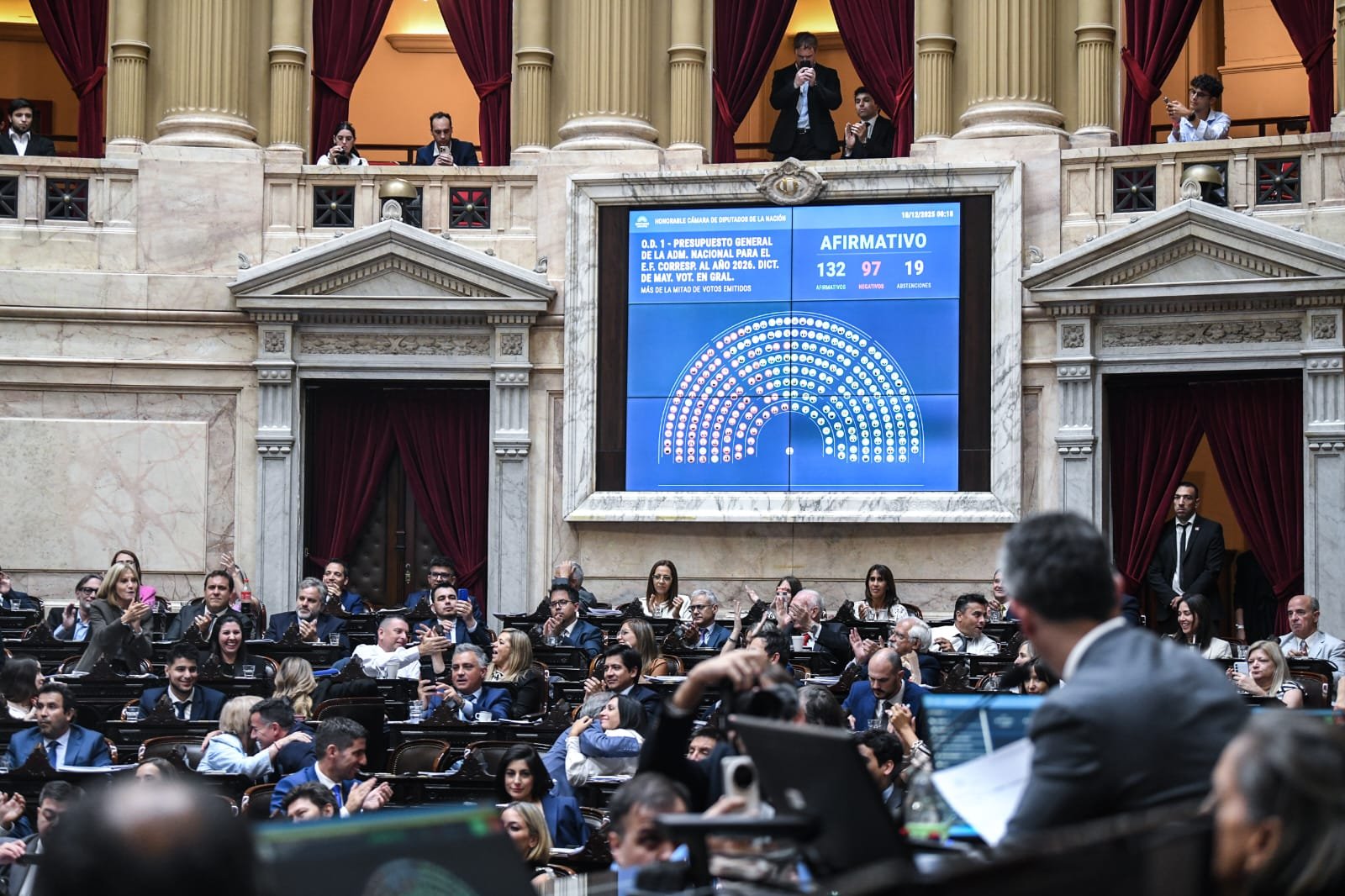
On Oct. 28, President Milei’s party, La Libertad Avanza, called off the committee meeting where it was to sign the budget’s committee report, the document members sign to send a bill to a vote of the full chamber. It lacked the signatures of its allies: the PRO, the party of former President Mauricio Macri, the Radical Civic Union (UCR) and provincial parties. Party and allied lawmakers now talk of signing the report between Nov. 11 and Nov. 17. The most optimistic say a report signed by Nov. 17 would keep the Nov. 18 vote; Nov. 25 is the other date the party has reserved.
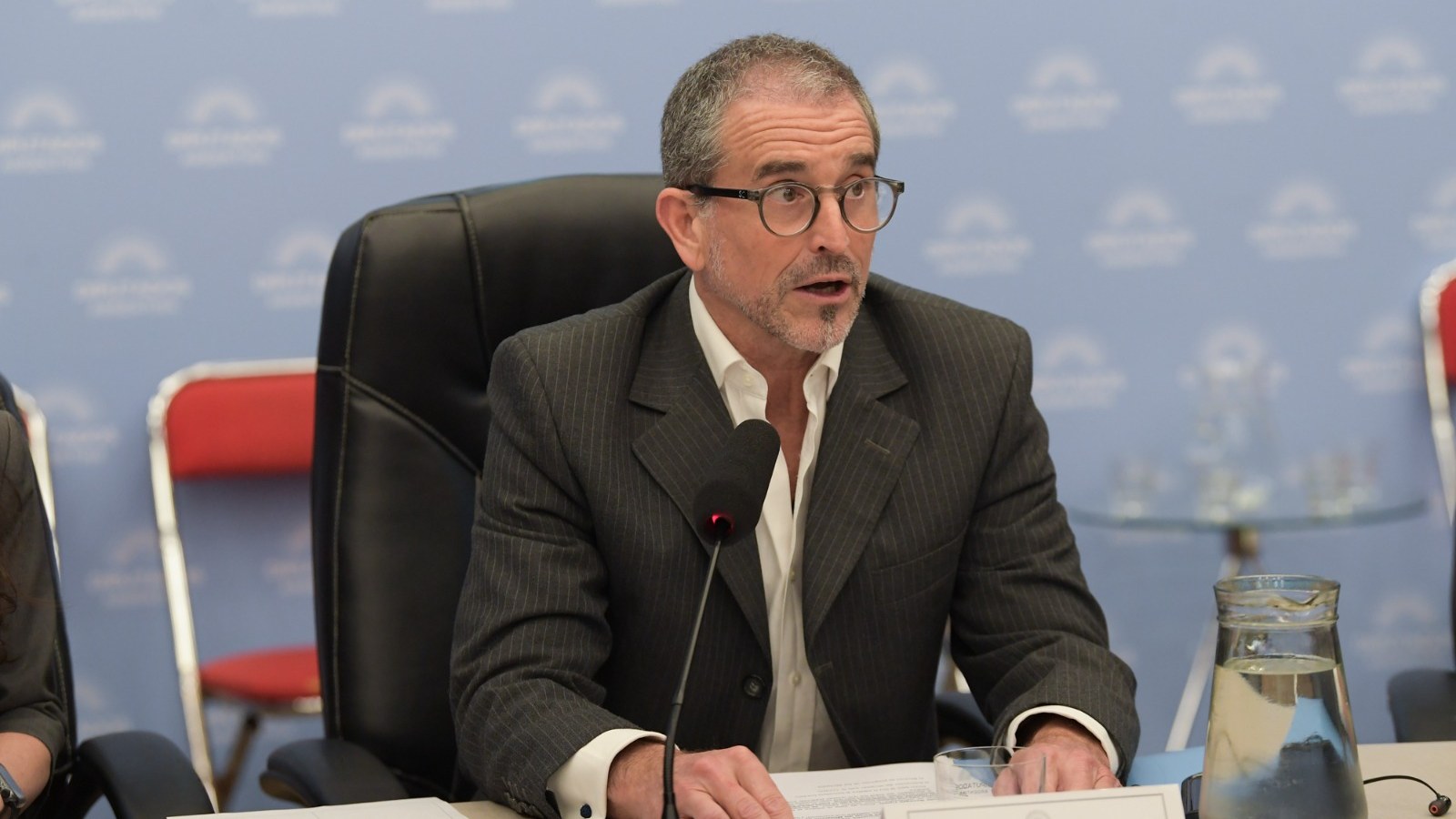
Governors and allied lawmakers want the text to say how and when the national government will make transfers to provincial pension funds that were never merged into the national system, and they are still negotiating how federal tax revenue is shared with the provinces. The PRO’s leader in the lower house, Cristian Ritondo, has also sent the chamber’s president, Martín Menem, seven written requests, including a lower fuel tax and regular payments to Buenos Aires City from federal tax revenue.
Two events cut into the time left. Lawmakers from most parties plan to travel to the United States as observers or guests for the Nov. 3 midterm elections, and Pope Leo XIV visits Argentina from Nov. 8 to 11, so Congress is expected to do little business while both last. The party had aimed to vote on the Malvinas sovereignty bill, which cleared committee on Oct. 27, in a session on Nov. 12, and may now hold it on Nov. 18. In that case the budget vote would move to Nov. 25.
Under the Constitution, Congress meets in regular session until Nov. 30, and the Senate must also pass the budget. A lower-house vote on Nov. 25 would leave the Senate five days, so the government is heading toward extraordinary sessions: sessions the president can call outside the regular period. People close to Menem say they will try to avoid them.
The same bargaining holds up the other item the government wants this year, suspending the party primaries for 2027. The primaries, known as the PASO, are the open, simultaneous and compulsory contests in which parties choose their candidates, and the law sets them for the second Sunday of August, which is Aug. 8 in 2027. The Constitution requires an absolute majority to change electoral law, 37 of the Senate’s 72 votes, and the governing party falls short of that count.
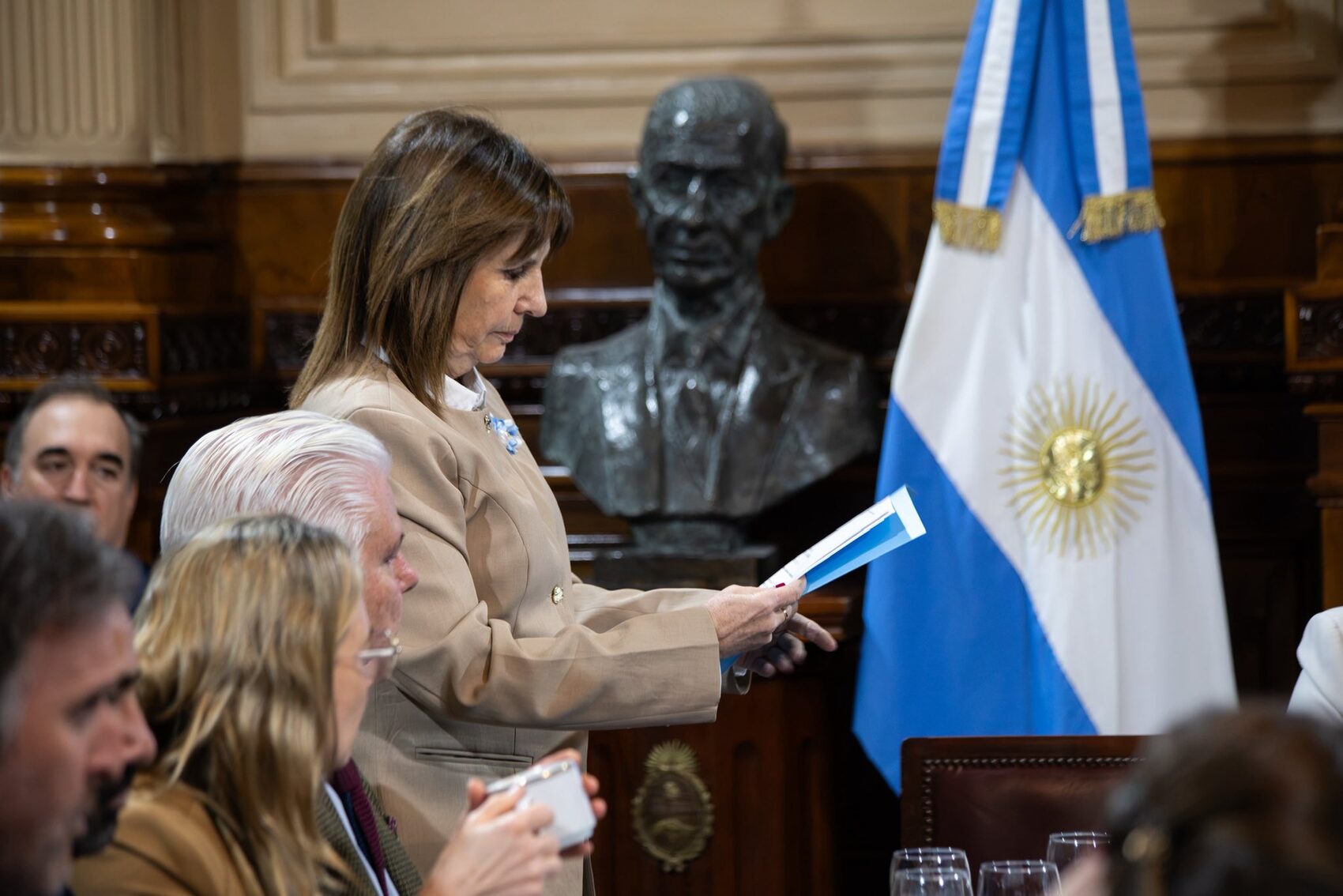
Chief of Cabinet Diego Santilli, the president’s top minister, leads the talks with governors, several of whom are asking for commitments on their provinces before backing the change. Patricia Bullrich, who leads the governing party’s senators, has said the change must pass by the end of December, because electoral rules are not changed in an election year.