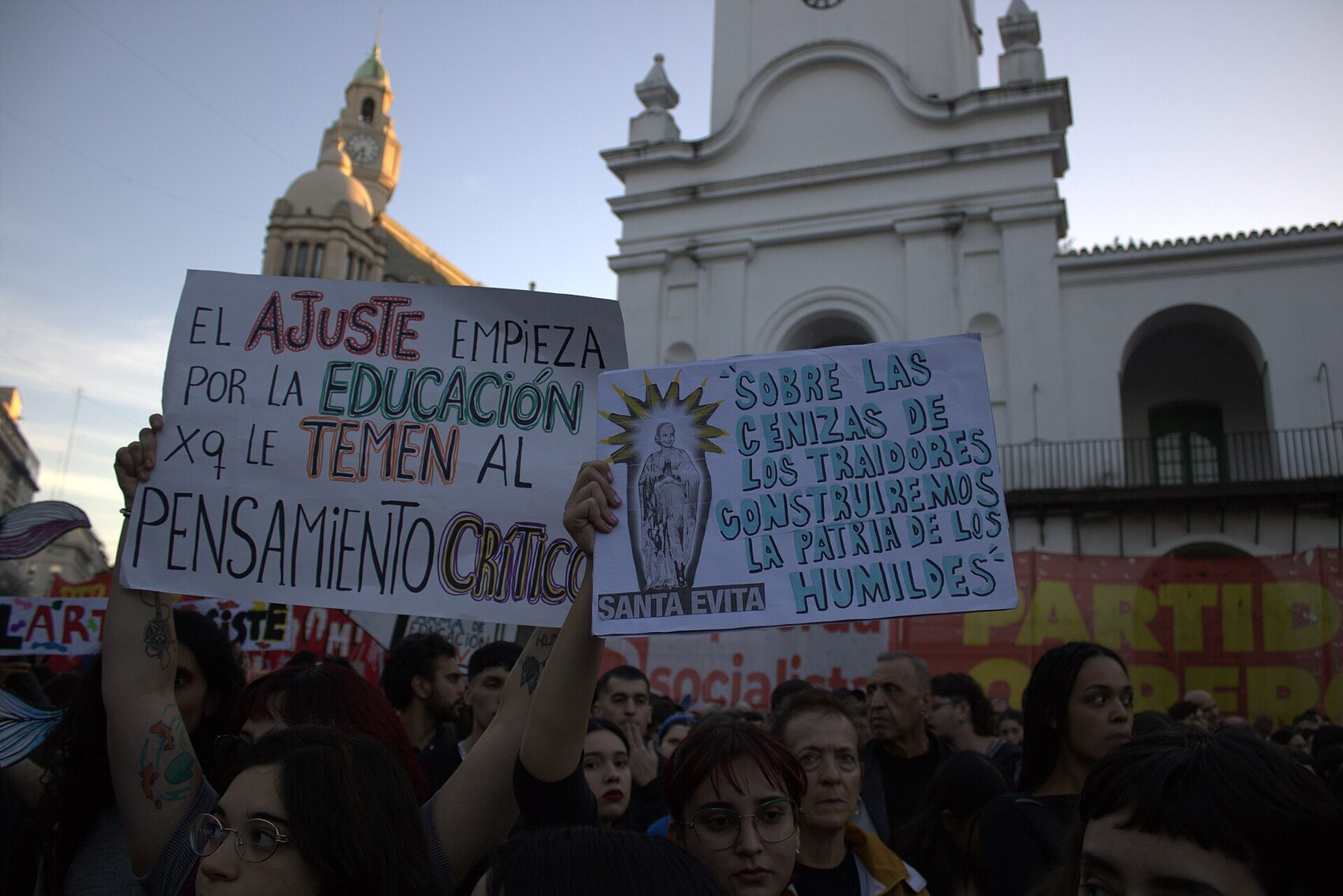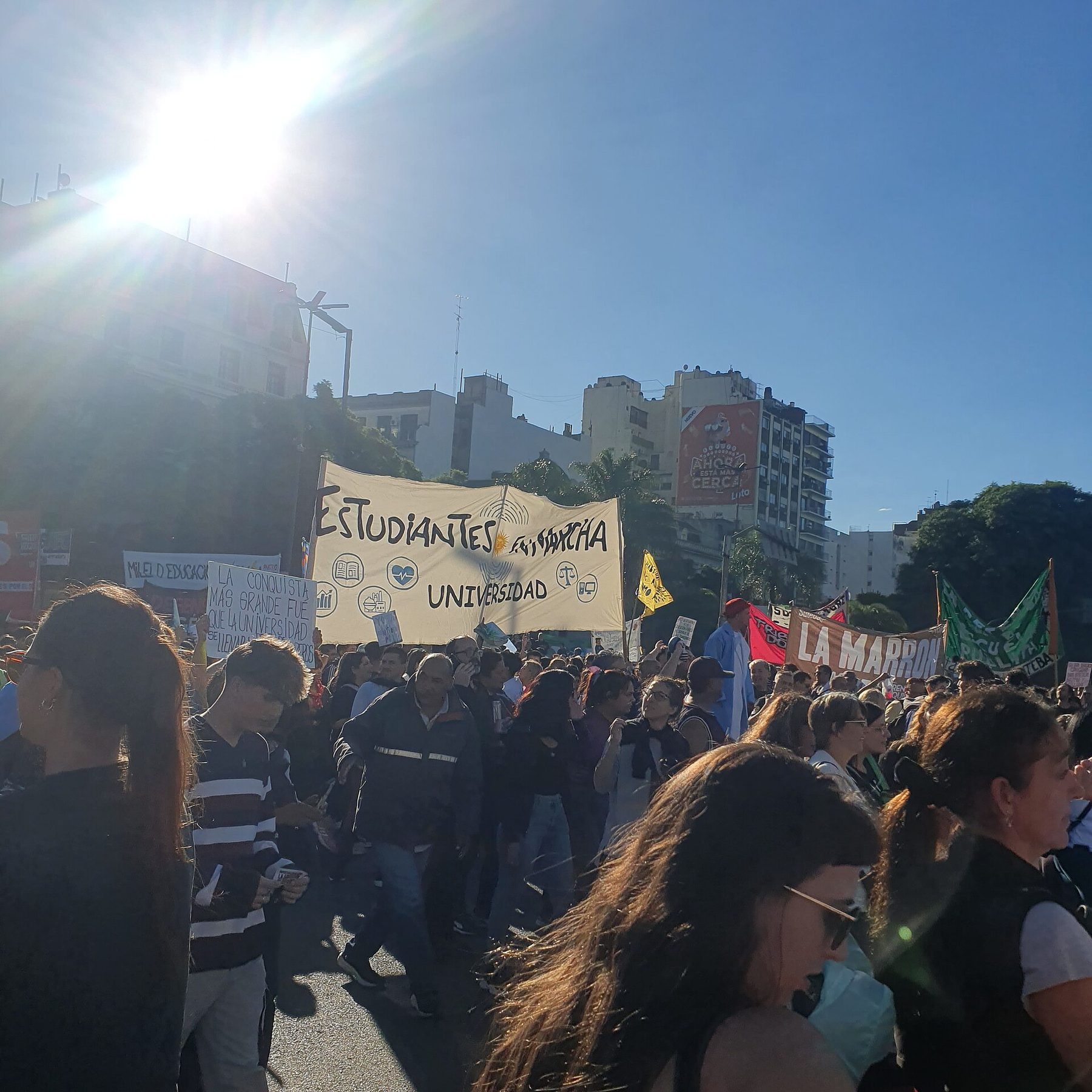
Clashes between police and protesters ended the fifth federal university march outside Congress on October 15, with 31 people detained, while an appeals court paused fines on the cabinet chief in the university funding case.
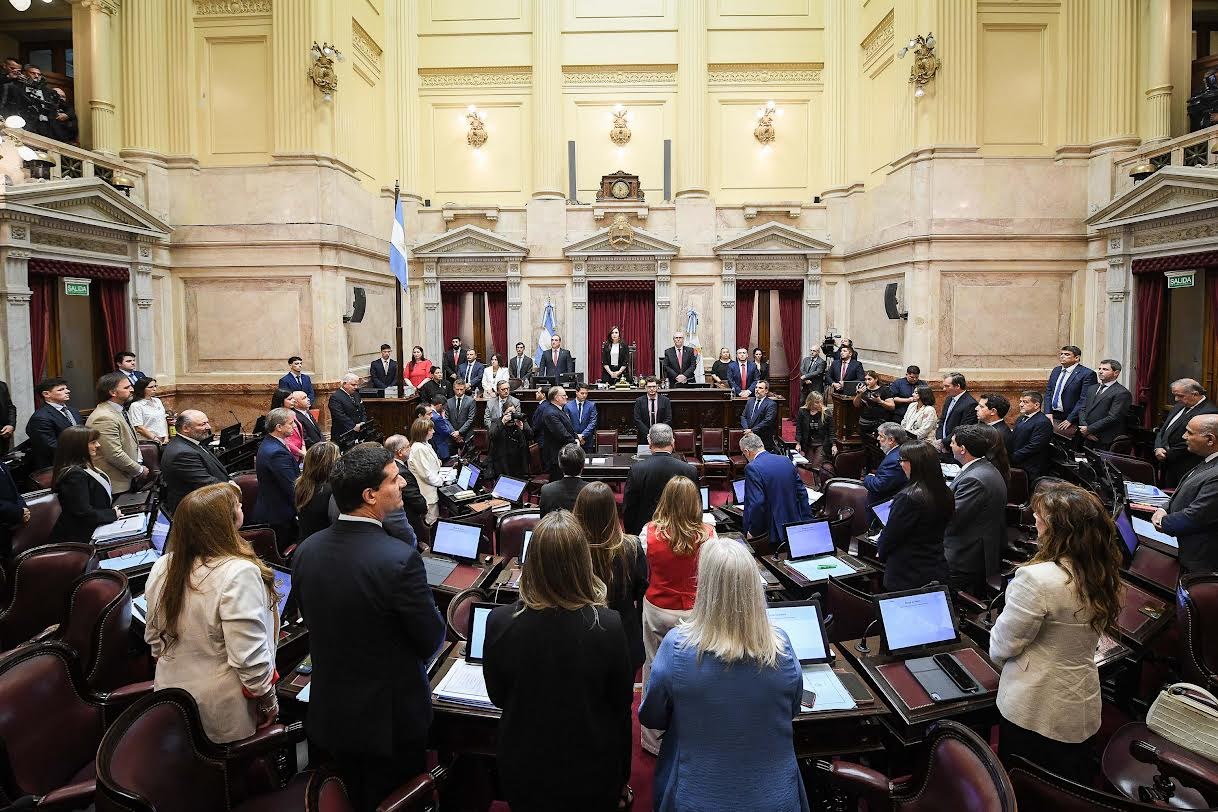
The march was called to press the government of President Milei to apply the University Financing Law, which Congress kept in force by overriding a presidential veto. The law ties university salaries and student scholarships to inflation. The government says Congress never said where the money would come from, while universities say the law binds it regardless.
Clashes Outside Congress
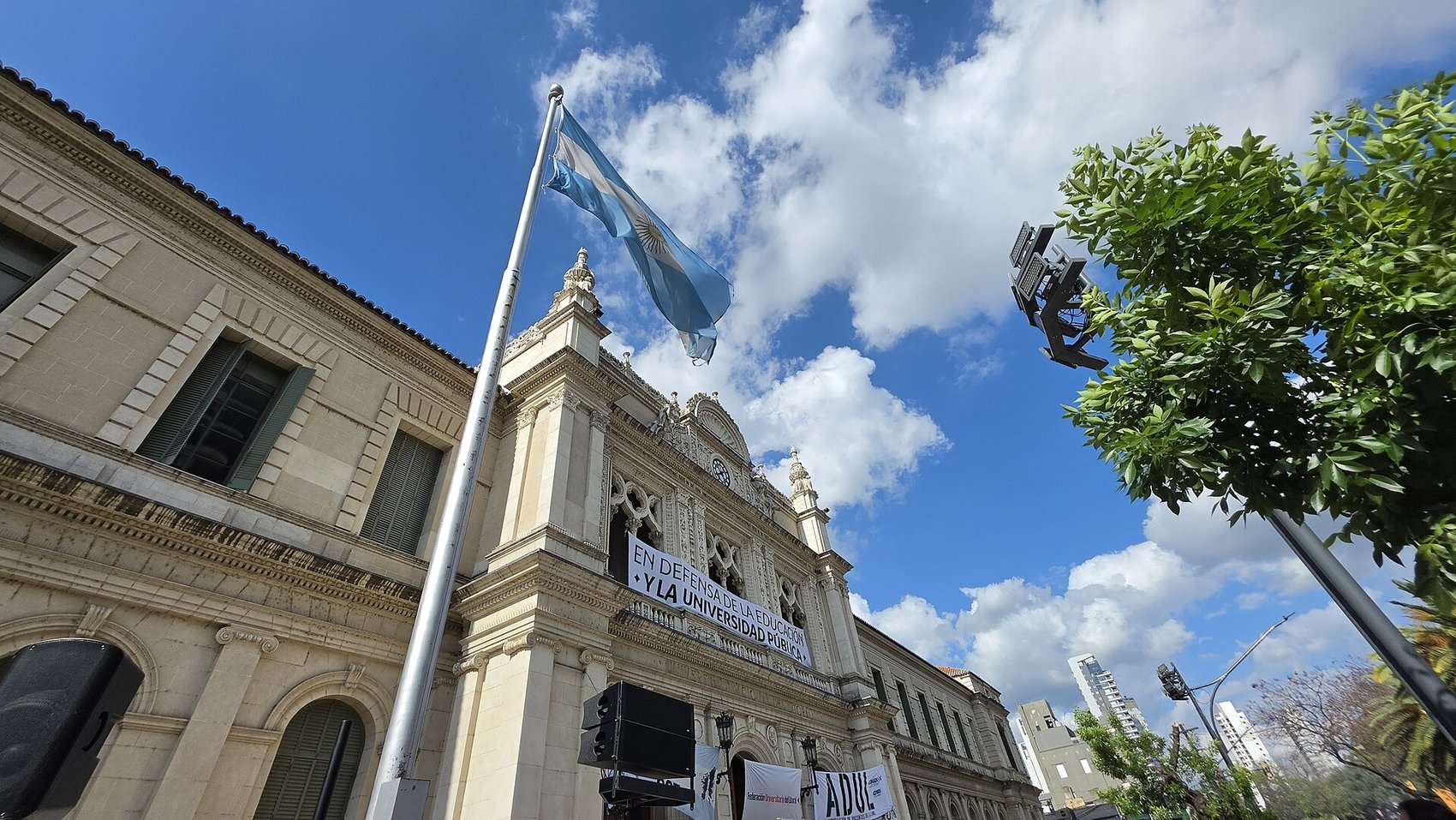
Organizers, led by the national rectors’ council (CIN), the student federation (FUA) and teachers’ unions, called the march. The University of Buenos Aires’ vice-rector, Emiliano Yacobitti, said hundreds of thousands of people took part in the capital, in columns more than 20 blocks long, and more than a million across the country, his own estimate.
The incidents began shortly before 4 p.m., as the main rally was about to start. Protesters, some with their faces covered, broke benches and paving near the fence around Congress and threw stones and debris at officers, who answered with tear gas and water cannon. Tear gas reached the annex of the Chamber of Deputies across the street, and Deputy Cecilia Moreau needed medical attention. The rally ended at about 4:40 p.m.
The Security Ministry said eight federal officers were hurt (four from the Gendarmería border police, two from the Naval Prefecture and two from the Federal Police) and 25 people were detained near Constitución railway station. City police detained six more, including two minors aged 14 and 17. The city’s emergency medical service, SAME, treated two protesters. City police put preliminary damage to the plaza and surroundings at 90 million pesos (about US$60,000).
Los mismos violentos de siempre. Quieren imponer el caos, desafiar a las Fuerzas de Seguridad y convertir las calles en una zona liberada. El derecho a manifestarse no es un permiso para ejercer la violencia. Quienes agredan a nuestros efectivos, destruyan bienes públicos o cometan delitos deberán responder ante la Justicia. En Argentina, nadie está por encima de la ley.
Translation: "The same violent people as always. They want to impose chaos, defy the Security Forces and turn the streets into a liberated zone. The right to demonstrate is not a permit to exercise violence. Those who attack our officers, destroy public property or commit crimes must answer to the courts. In Argentina, nobody is above the law."
Security Minister Alejandra Monteoliva wrote on X that “the right to demonstrate is not a permit to exercise violence,” and the ministry announced a criminal complaint for resisting authority, attacks on the constitutional order and aggravated damage. Government officials described the march as an opposition event that became too politicized.
The organizers rejected that reading. In a joint statement, the CIN, the FUA and the union front said they “strongly condemn the repression and the violence” that forced the central rally to end early, noting that four earlier national marches passed without incident. Yacobitti said the violent were “a minority” that police should be able to identify, and added: “Nobody is above the law, not even the president.”
Fines Paused
The same day, Sala III of the federal administrative appeals court provisionally suspended the daily fines Judge Martín Cormick imposed on Cabinet Chief Diego Santilli on Wednesday. Cormick had set them at 100,000 pesos a day (about US$66) for not complying with an injunction, confirmed by the Supreme Court in June, that orders the government to raise university salaries and scholarships under the law.
The panel granted a petition by the Human Capital Ministry, which argued it had complied, citing a 21.33% pay increase on May salaries and a 3% offer in the latest quarterly wage talks. The fines stay on hold until the underlying question is decided. The three judges wrote that their ruling does not prejudge whether the government has met the injunction.
Cormick separately ruled on October 6 that the clause in Decree 759/2025 used to hold the law back is unconstitutional, and the government has appealed. That appeal is now before the same appeals court.