

Argentina’s Economy Ministry formally admitted Glencore’s Agua Rica copper project in the northwestern province of Catamarca to RIGI, the incentive regime for large investments, in a resolution published Tuesday that lists total investment at US$6.39 billion.
The resolution, signed by Economy Minister Luis Caputo on October 25 and published in the Boletín Oficial, the government’s official gazette, formalizes the approval that Glencore and President Milei announced in Paris on October 2. Under the regime, as the Economy Ministry describes it, approved projects pay a flat 25% income tax instead of the general scale and import equipment free of duties, and those terms are guaranteed for 30 years.
That total is more than the roughly US$4 billion in capital investment Glencore cited when it applied in 2025 and again in Paris. Of the US$6.39 billion, the company declared US$3.31 billion in assets that count toward the minimum investment the regime requires.
Glencore told the ministry it plans to start construction on November 1, 2027 and begin operating on October 1, 2031. The resolution gives it until December 31, 2028 to reach the minimum investment.
The company said it expects to spend US$771.5 million in the first two years. Local suppliers would receive 54% of its spending on suppliers, goods and infrastructure, against the 20% the regime requires.
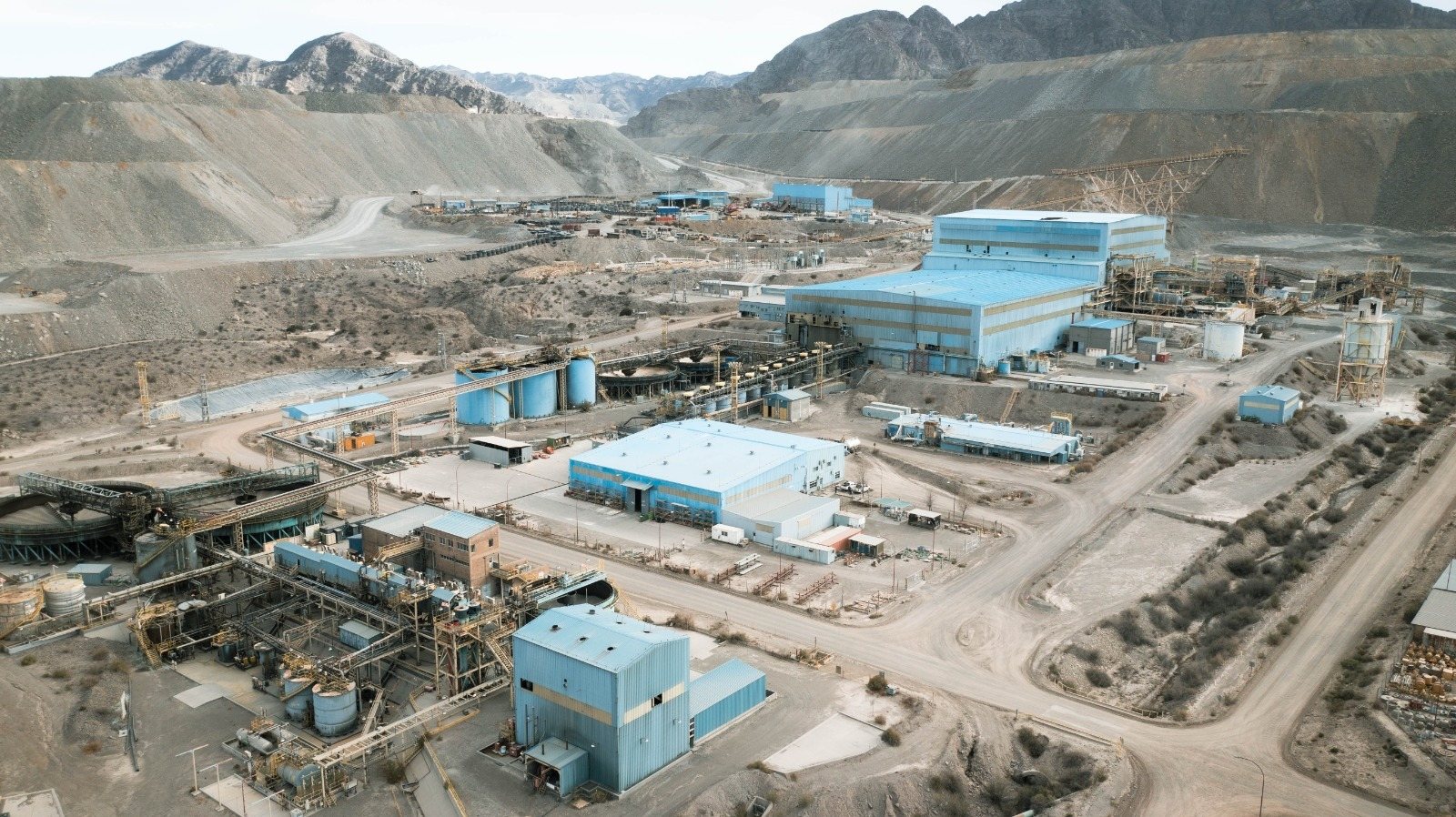
As Glencore declared it, the mine plan covers 780 million tonnes of ore over 23 years, yielding copper, gold, silver and molybdenum. The ore would be processed at Glencore’s nearby Alumbrera plant, which the company says it is restarting, with first production there expected in the second half of 2027.
Glencore, which filed for Agua Rica in August 2025, also applied then for the same incentives for El Pachón, a copper project in San Juan province with a US$9.5 billion first phase planned over the next decade.