

Argentina’s Economy Ministry approved tax, customs and currency benefits on Thursday for Toyota’s US$1.25 billion third plant at Zárate, which will build a hybrid pickup, according to a resolution published in the official gazette.
The benefits come from RIGI, the tax and customs incentives for investments over US$200 million. They apply only to the new plant, which Toyota must run through a dedicated branch with its own accounts, apart from its existing factory.
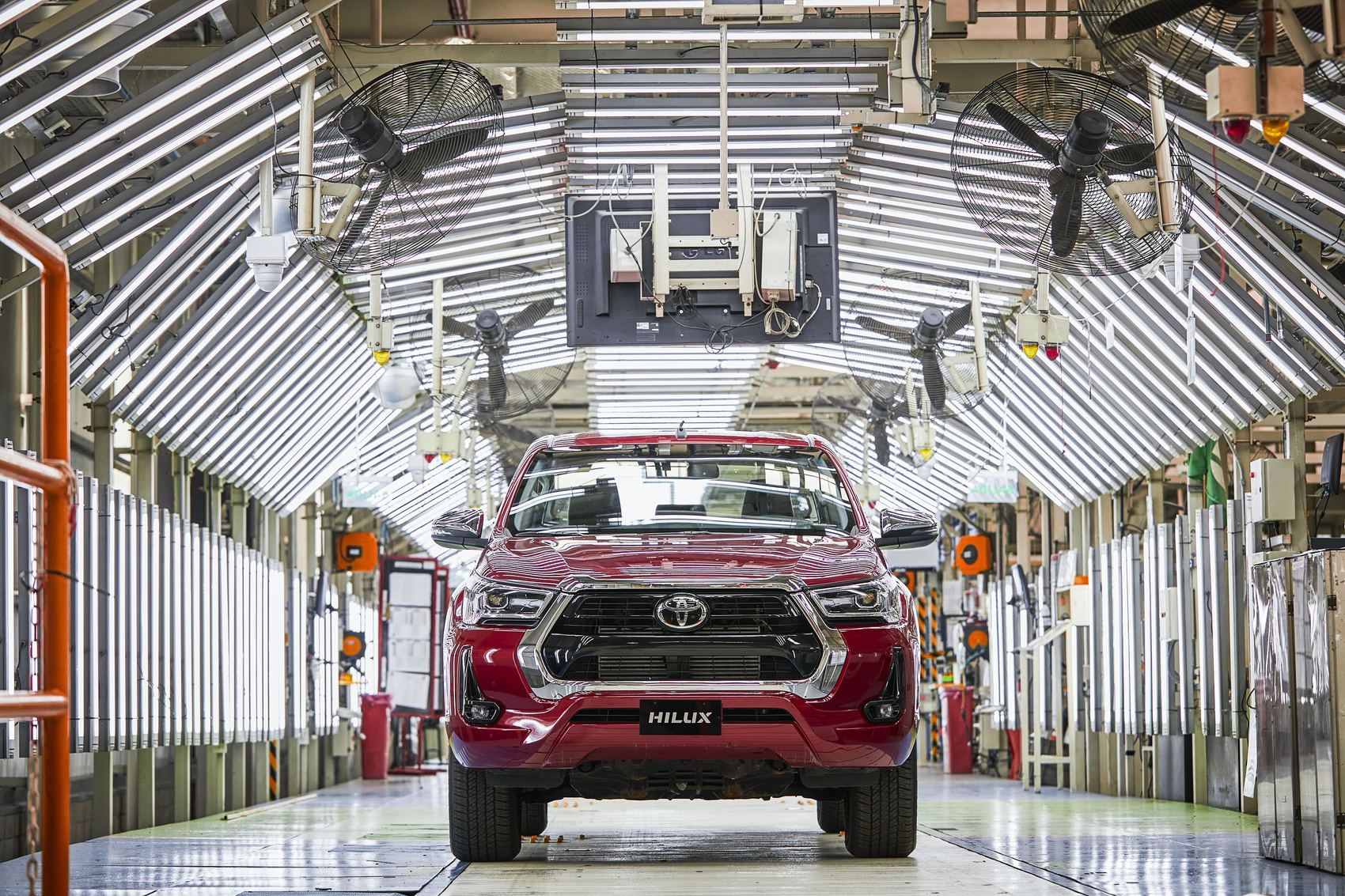
The plant, on National Route 12 in Buenos Aires province, will make a full hybrid, a car that pairs a combustion engine with an electric motor and does not plug in. The first model will be a pickup, with a possible SUV later, and the resolution says the technology has no precedent in local production.
Toyota plans to spend US$669.6 million, or 53% of the total, on local suppliers for construction and equipment, well above the 20% minimum the regime requires, according to the resolution.
The competition tribunal found that the expansion would add capacity without displacing any rival, with most of the output going to export. The Economy Ministry projects exports of US$1.28 billion a year and about 3,600 jobs during construction and 2,600 once the plant operates, direct and indirect.
The investment figure differs by source: the Economy Ministry has announced the project as US$1.341 billion, while Toyota’s filing and the resolution count US$1.253 billion. Toyota Argentina’s president, Gustavo Salinas, said on October 7 that the project was still being validated with the parent company, and that confirmation of RIGI would be an important backing in that process.
Toyota committed to invest US$167.3 million in the first two years and must complete the minimum investment by September 30, 2028.