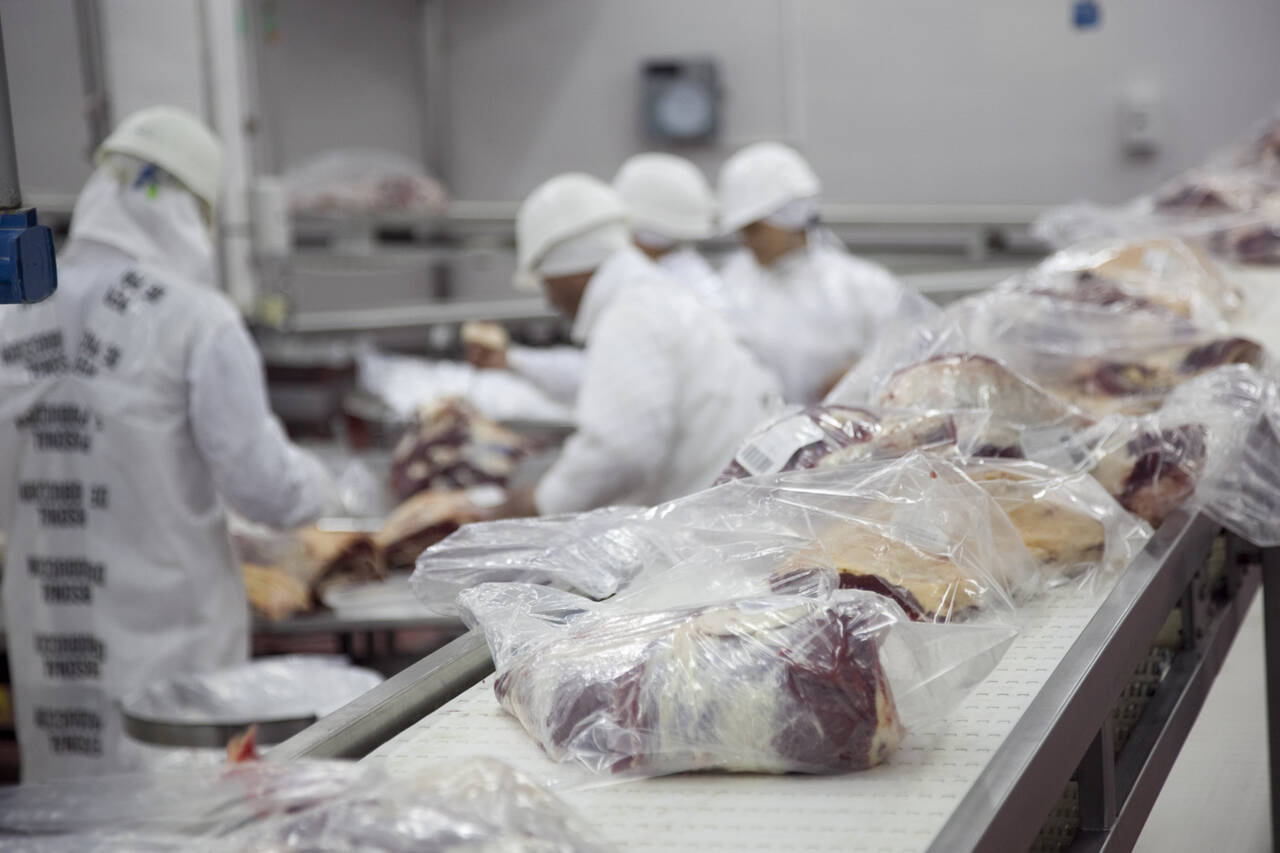
Argentina and Japan agreed on animal-health requirements that will let beef from the country's main cattle regions enter Japan, Economy Minister Luis Caputo announced on September 30.
Shipments have not started. Japanese inspectors must first audit Argentina's health system and approve the plants that want to export, a visit the government says is planned. Georges Breitschmitt, president of the national beef promotion institute IPCVA, estimated that first shipments could come in the first quarter of 2027.
The deal covers deboned, aged beef and beef tongue from the vaccinated foot-and-mouth-free zone, which spans Buenos Aires province (except Carmen de Patagones), Córdoba, Santa Fe, Entre Ríos, La Pampa, Mendoza and the provinces to the north. Japan requires the meat to be aged and deboned to inactivate the virus. Foreign Minister Pablo Quirno said the agreement widens an authorization that until now was limited to Patagonia.
Japan imports more than US$3 billion of beef a year, Caputo said. The prize is tempered by a 38.5% Japanese tariff on beef imports, and the Patagonian opening that began in 2018 has produced almost no trade.
Caputo called the result "a historic agreement" that "recognizes the quality of our meat and the strength of our sanitary system." It comes as Argentine beef exports are at a record (US$3.7 billion in 2025, up 22.3%) while domestic consumption has fallen to 46 kg per person a year, 9.5% lower than a year earlier.