

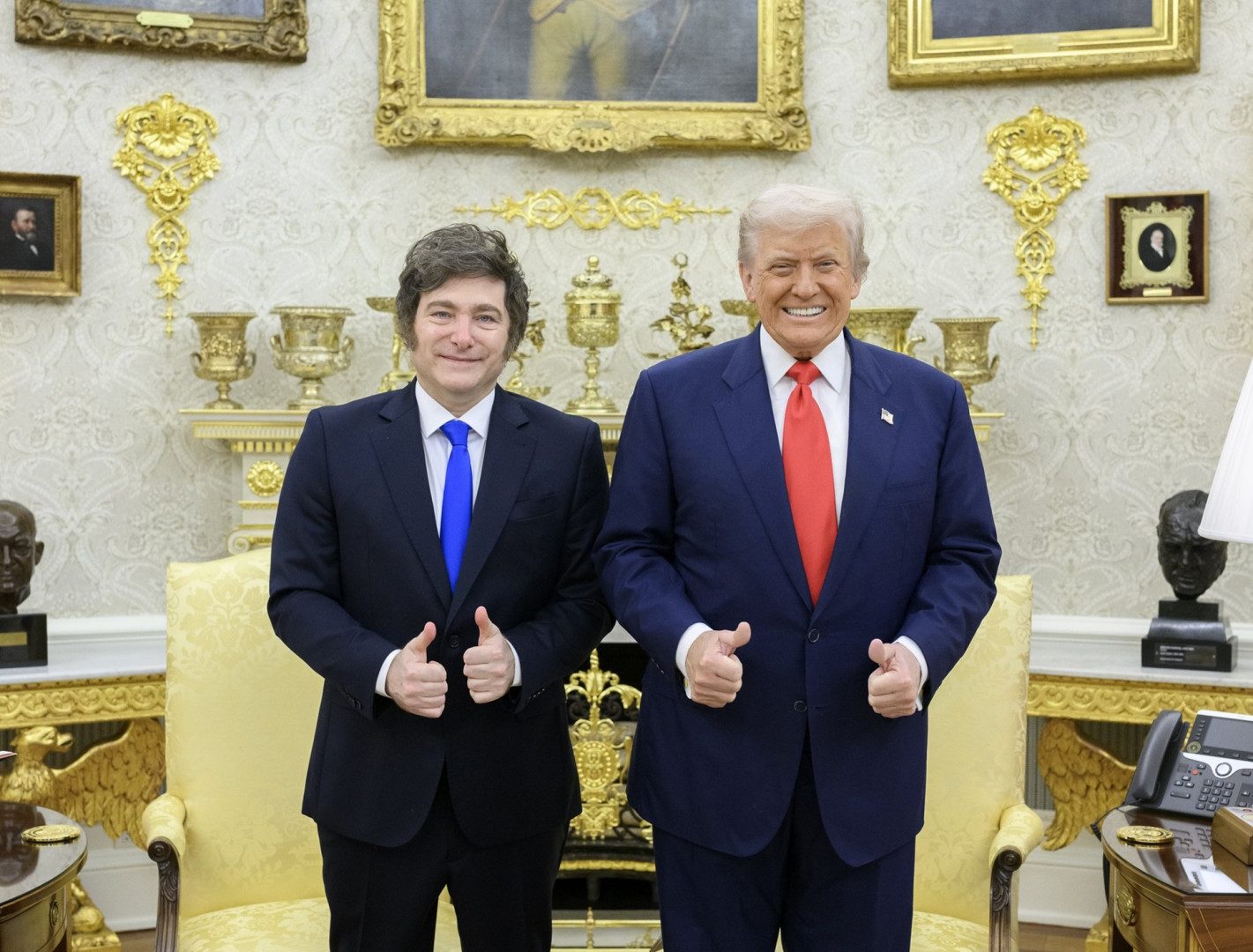
The Trump administration’s temporary tariff-free beef import allowance, meant to ease US meat prices, does not apply to Argentina, whose own beef sales to the United States are growing under a separate, longer-standing quota.
The measure lets in 300,000 tons of tariff-free lean beef over three months (100,000 tons a month, from September through November), aimed at bringing US ground-beef prices down by roughly a quarter. But the proclamation explicitly excludes countries that already have fixed tariff-rate quotas (set volumes allowed in at low or no duty) or free trade agreements with the United States, a list that includes Argentina, Uruguay, Australia and New Zealand.
Argentina already has its own dedicated quota, which the Trump administration raised to 100,000 tons annually in February. That increase means more Argentine beef is reaching US shelves than before, but it is also the reason Argentina cannot tap into the new emergency window. Brazil, which has neither a preferential quota nor a free trade deal with Washington, and which has had notably strained relations with the Trump administration, is positioned as the main beneficiary of the temporary opening instead.
For Argentina’s beef sector, that means steady, growing access under its existing quota but no share of the temporary opening.
Argentina’s government has largely shrugged off the exclusion. Its own special quota’s third-quarter tranche, 20,000 tons, was fully claimed by August 28, a full month ahead of schedule and faster than Australia, New Zealand or Uruguay used their own allocations. Foreign Minister Pablo Quirno waved off the criticism, saying “less narrative, more results,” and pointed instead to broader trade gains: U.S.-Argentina trade near $6 billion between January and July, up 38 percent year over year, with Argentina’s trade surplus with the United States roughly nine times what it was a year earlier.
Argentina’s fresh beef was shut out of the U.S. market entirely from 2001, after a foot-and-mouth-disease outbreak, until Washington lifted the ban in November 2018; the first shipment in nearly two decades reached Philadelphia in March 2019. Argentina’s baseline quota, 20,000 tons under the 1994 Uruguay Round agreements, is the figure Trump’s February proclamation quintupled to this year’s 100,000-ton ceiling.