Economy Minister Luis Caputo said Wednesday that Democrats’ win of both chambers of the US Congress will not change Argentina’s ties with Washington, while the extra yield on its bonds hit a one-year high.
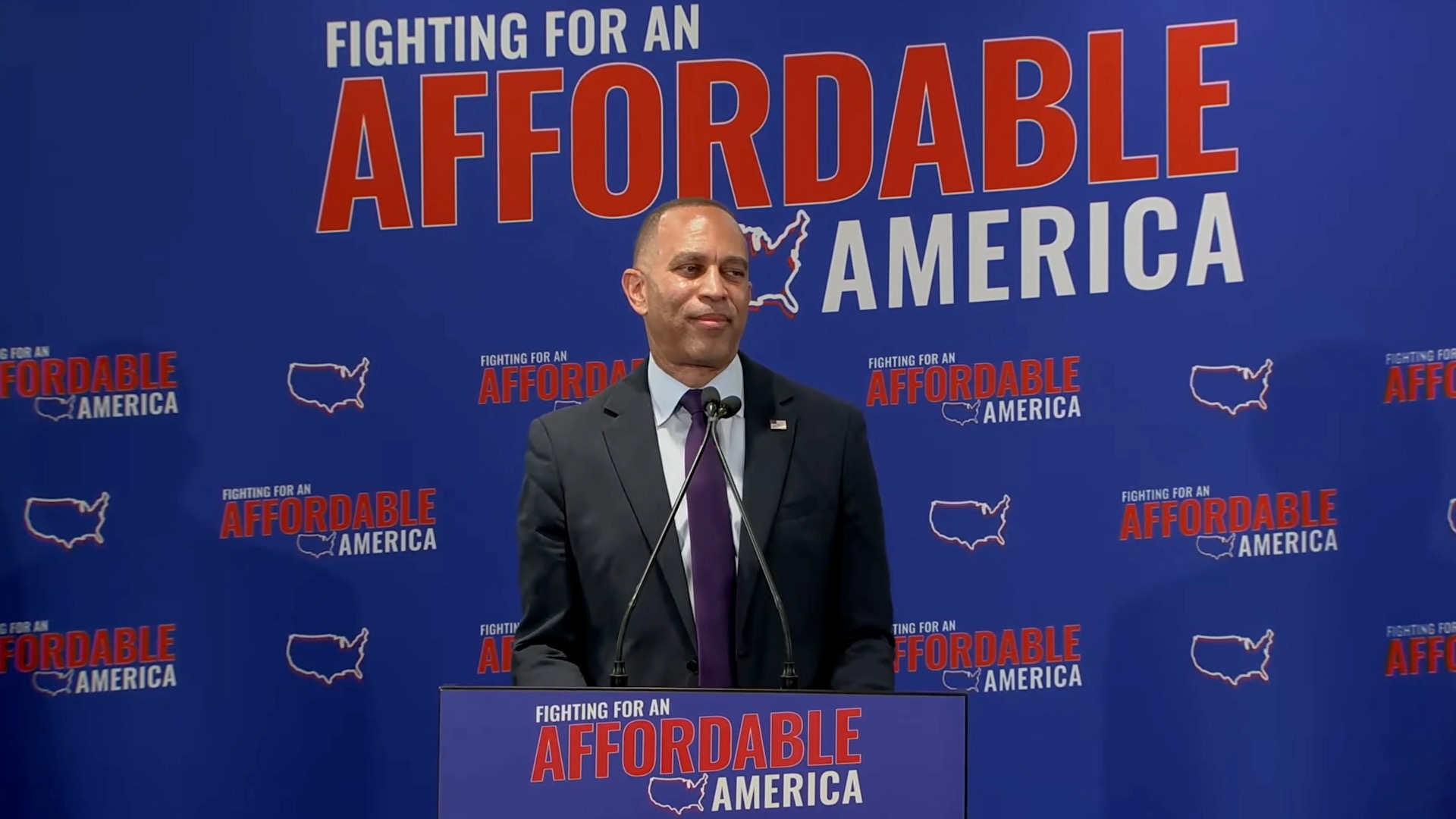
Democrats won the Senate and the House of Representatives in Tuesday’s midterm elections and will control Congress from January. President Trump keeps his veto power, but the new majorities can block his legislation, open investigations and hold up appointments. Trump said the war with Iran, which pushed up US fuel prices, contributed to the Republican defeat.
The result matters in Buenos Aires because President Milei’s government leans on US help: the swap, which works as a credit line for the central bank, and a trade agreement that still needs approval in Argentina’s Congress.
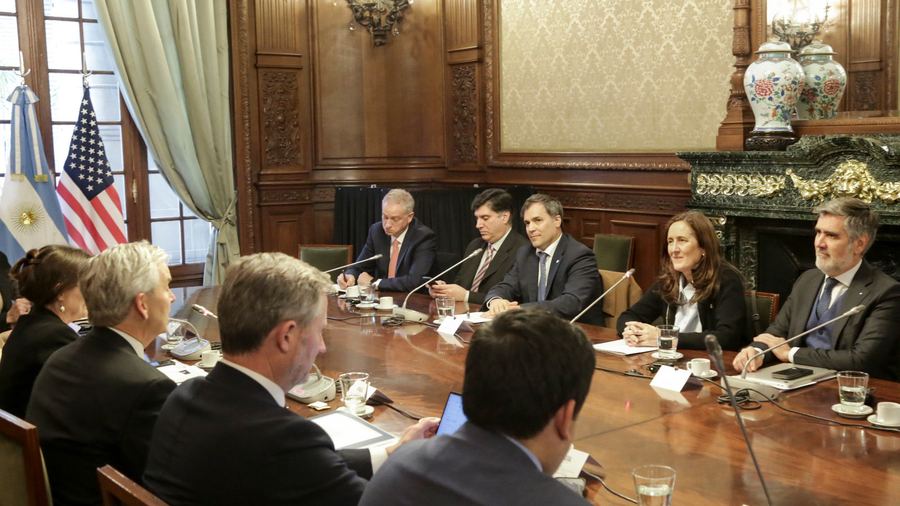
Caputo spoke at the annual conference of FIEL, an economic research foundation, at Buenos Aires’ stock exchange. “For Argentina, it doesn’t change,” he said of the vote. He said he had already discussed it with the US Treasury at the G20, that the result “was expected, perhaps not by so much,” and that it would not change the relationship “essentially.”
He argued that investors had priced the result in. “How many people believed that, because Democrats had won, we would have a black Wednesday in the markets today?” he asked, noting that US stocks had started the day about 1.5% higher.
Argentine bonds lagged the rally in US stocks. Country risk, the extra yield investors demand to hold Argentine dollar bonds instead of US Treasuries, as measured by JPMorgan, closed Tuesday at 831 points, the highest since October 2025. On Wednesday afternoon it was higher still, between 834 and 850 points in different readings.
Fernando Camusso, a director at the firm Rafaela Capital, said the Republican defeat raises doubts about whether the Treasury would back Argentina in 2027 as it did in 2025. A new rescue would carry a higher political cost and more scrutiny, he said, which cuts the value of the outside insurance markets had counted on for the election year.
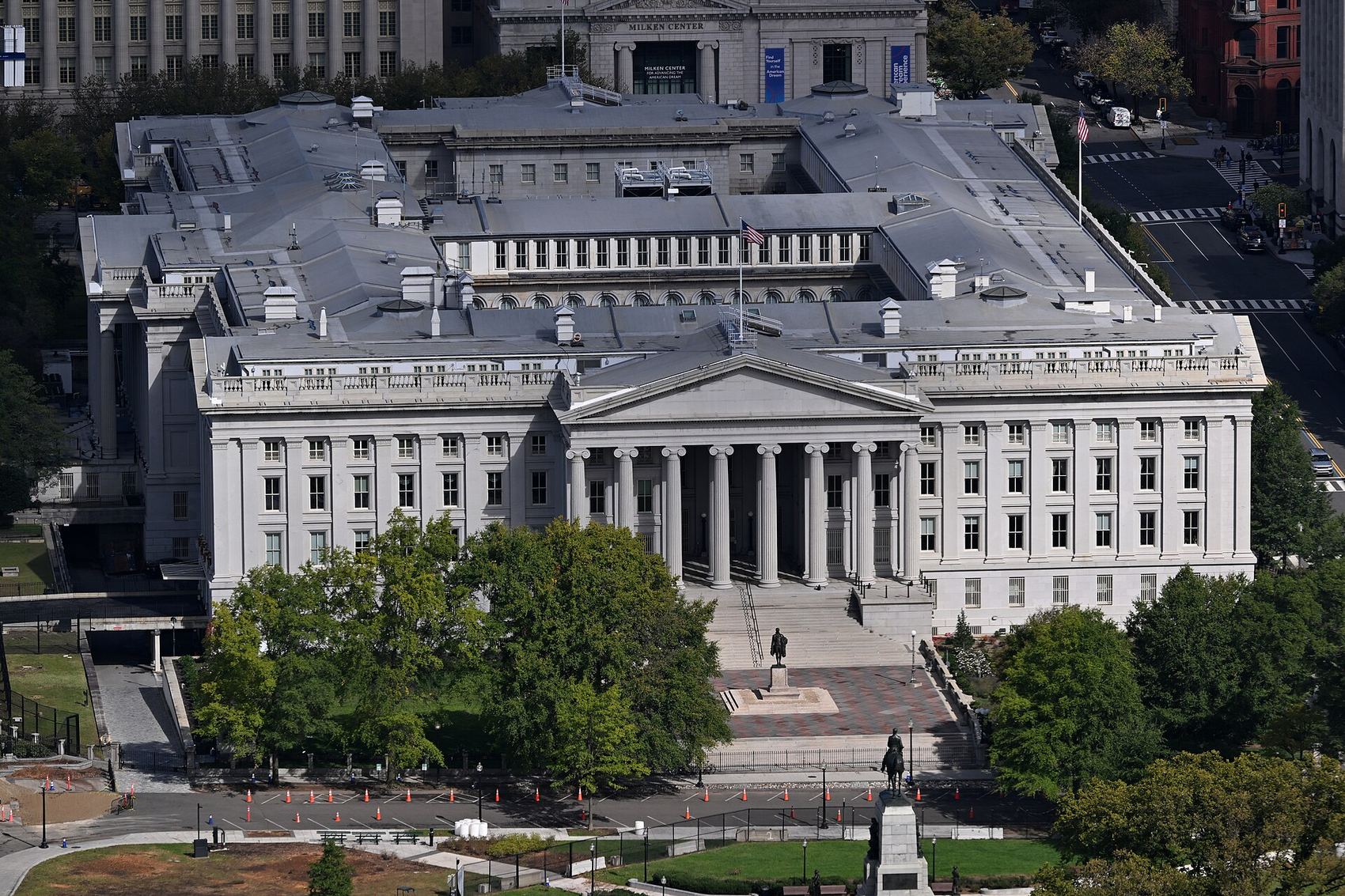
Officials close to Milei, speaking without being named, said the margin was larger than they had expected but that they still count on US support. They noted that the Treasury can use the Exchange Stabilization Fund, an account it controls for currency operations, without a vote in Congress, though with a limit on the money available. Some conceded that a Democratic Congress could make any new rescue costlier politically.
Elizabeth Warren, a Massachusetts senator, was among the Democrats who criticized the 2025 swap. Abdul El-Sayed, who won Michigan’s Senate seat, wrote in September 2025 that the United States should not bail out Argentina’s leader and should fund Medicaid at home.
No, we should not bail out the radical right-wing leader of Argentina. Instead, we should fund Medicaid here at home.
The trade agreement the two countries signed in February and amended on Oct. 14 also awaits a vote in Argentina’s Congress, where Milei’s party lacks a majority. The US side of that deal runs through tariff decisions by the president, not Congress, as our earlier explainer on what the midterms could and could not change noted.