Voters choose a new US House of Representatives and a third of the Senate on Tuesday, Nov. 3. Prediction markets, where traders bet on outcomes, put the chance of a Democratic majority at about 95% in the House and 72% in the Senate, according to Polymarket prices on Nov. 1. For Argentina, what matters is which parts of the US support it has lined up depend on Congress and which do not.
Those are prices, not polls. Republicans hold 53 of the Senate’s 100 seats, according to the Senate’s roster, so Democrats, with the two independents who vote with them, need a net gain of four. The result decides who chairs the committees that oversee the Treasury, trade and foreign policy when the new Congress meets in January, and whether a bill can pass without bargaining with the other party.
What Congress Can Change
The clearest deadline belongs to the Export-Import Bank, the US government agency that finances American exports. Its authority to approve new financing ends on Dec. 31 under current law unless Congress renews it, according to the Congressional Research Service, Congress’s nonpartisan research arm. The bank’s indicative offer of up to US$6 billion for the Argentina LNG gas-export project, led by the state-controlled oil company YPF, still needs the bank’s board to approve it. YPF chief Horacio Marín has said the company will decide whether to build the project on Nov. 26.
The current Congress can renew the bank’s charter before the year ends; if it does not, the new one inherits the question. The Senate confirms the bank’s board members, so its majority matters there too. The Development Finance Corporation, the other US agency in the Andes-Atlantic Corridor, the US-Argentina framework for energy, minerals and transport projects, was renewed in December 2025 through 2031.
Oversight is the other lever. Elizabeth Warren, the top Democrat on the Senate Banking Committee, asked Treasury Secretary Scott Bessent in February to end the US currency swap line with Argentina, a credit line between Argentina’s central bank and the US Treasury, and to hand over its text. In a Democratic Senate she would be in line to chair that committee, and Democrats controlling the House would lead its Financial Services Committee. By law, those two committees receive a monthly statement on the Treasury fund behind the line. They could call hearings and demand documents, but a law restricting the fund would need the president’s signature or a two-thirds vote in each chamber to override a veto. If Republicans hold both chambers, the committees stay under Republican chairs and requests like Warren’s remain those of the minority.
What Stays With the President
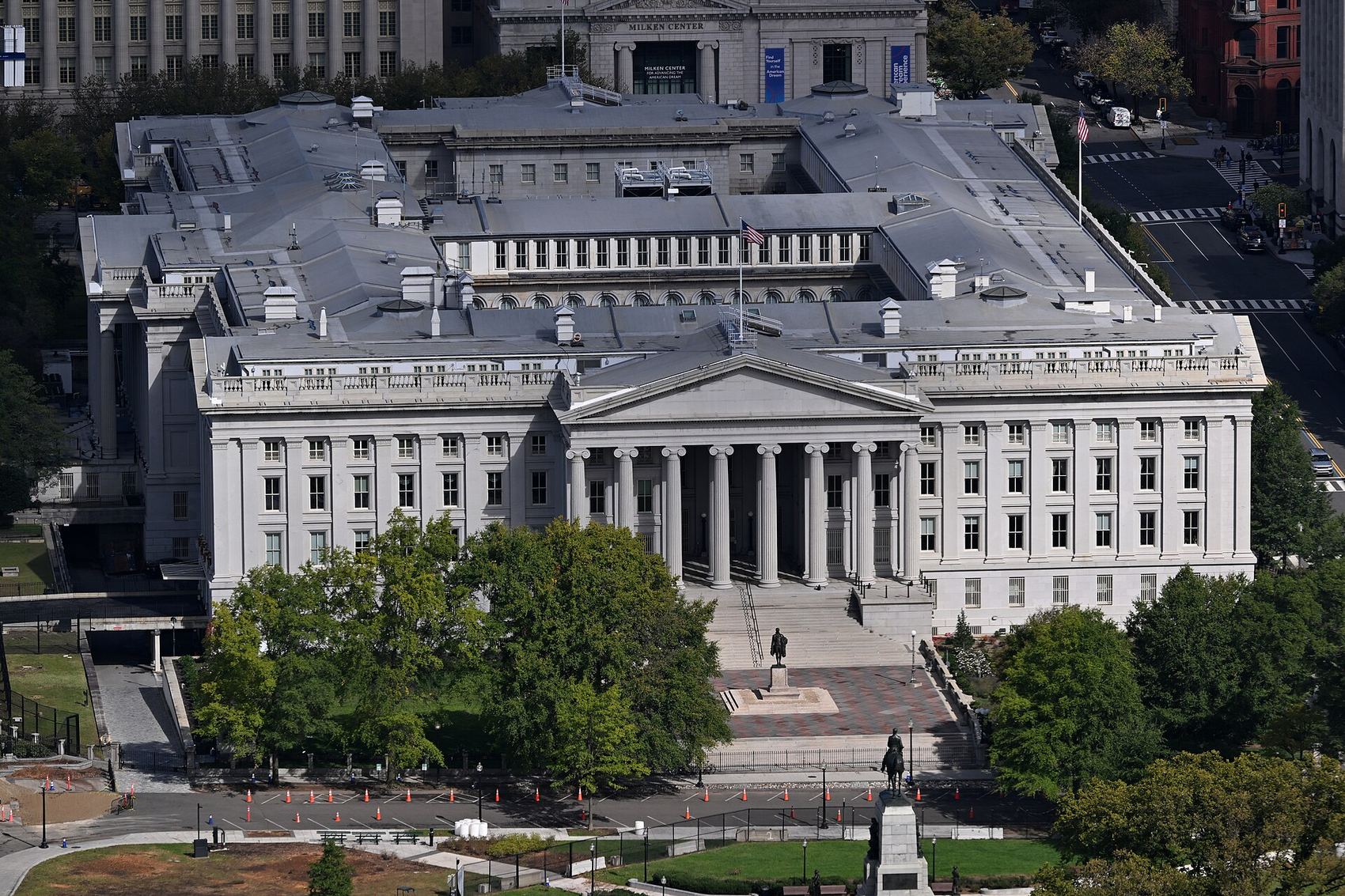
The credit line itself is the Treasury’s call. By law the Exchange Stabilization Fund, the Treasury account used for currency operations, is “under the exclusive control” of the Treasury secretary, subject to the president’s approval, and the secretary’s decisions “may not be reviewed by another officer or employee of the Government”. The US$20 billion agreement with Argentina’s central bank remains in force with no tranche activated, central bank president Santiago Bausili said on Oct. 29. Argentina drew US$2.5 billion in 2025 and repaid it, Bessent has said. The central bank’s other line, with China, is separate.
The trade agreement signed in February is a different case. Its text says it enters into force 60 days after both governments exchange written notices that they have completed their “applicable legal procedures”. For Argentina that means a vote in its own Congress, where the governing party lacks a majority. On the US side, the text commits Washington only to give “favorable consideration” to Argentina’s commitments in future tariff actions, except for national-security, safeguard and anti-dumping actions, so Washington’s side of the deal runs through executive tariff actions.
Since July 24, according to the US trade representative’s notice, products of Argentina face an extra 10% tariff under Section 301 of the Trade Act of 1974, with listed exemptions. Changing it is up to the president and the trade representative; Congress could do so only by passing a law, which the president could veto.
US pressure on Argentina’s Malvinas sanctions bill has also come from the executive branch. At a news conference on Oct. 22, Deputy Secretary of State Christopher Landau said Washington is watching how the bill could affect American companies and stressed that the US respects Argentina’s legislative process; the government has since narrowed the text. The governing party has aimed for a vote of the full chamber on Nov. 12 or Nov. 18.
What the Markets Show
Markets have their own channel. Country risk, the extra yield investors demand to hold Argentine dollar bonds instead of US Treasuries, closed October at 787 points, up from 607 at the end of September, according to J.P. Morgan’s gauge.
Over the same month the yield on the ten-year US Treasury note fell from 5.29% to 4.94%, according to the US Treasury Department’s daily yield-curve data; the gap widened while US rates eased. Because country risk is a gap over Treasuries, a move in US yields after the vote would change Argentina’s borrowing costs even if the gap held.
Two dates follow: Nov. 26, when YPF is due to decide on the LNG project, and Dec. 31, when the Export-Import Bank’s authority lapses unless Congress renews it.