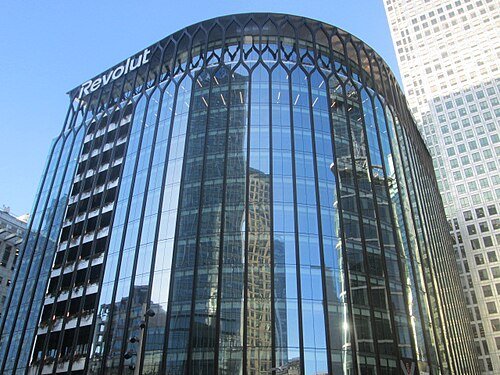
Argentina's Central Bank has authorized UK fintech Revolut to acquire Banco Cetelem Argentina from France's BNP Paribas, giving the company a local banking license and clearing the way for a full launch in 2027, according to La Nación, Infobae and Buenos Aires Times.
The approval came on Wednesday, more than a year after Revolut announced the purchase in July 2025. The price was not disclosed. The entity will be renamed Revolut Bank Argentina SAU and will operate under Central Bank supervision, though in its initial phase it will not offer products to the public while it completes regulatory and operational requirements. The appointment of its chief executive still needs separate Central Bank sign-off.
The purchase is essentially a route to a license. The deal does not include Cetelem's existing customers, according to Bloomberg Línea, and Infobae reported that the consumer-finance unit held about US$6 million in assets.
Agustín Danza, a former Nubank and Mercado Pago executive who will lead the Argentine unit, called the approval "a major milestone on the path to Revolut's launch in Argentina," describing the country's consumers as financially sophisticated early adopters. More than 150,000 Argentines have signed up to its waitlist. "We are going to compete with everyone across the different segments," Danza told Infobae, pointing to Argentina's low penetration of credit as the opening. Former HSBC Argentina chief Juan Marotta will chair the board.
Revolut, which says it has more than 80 million customers across some 40 markets, plans to launch with accounts, cards, loans, investment products and international spending in a single app rather than rolling services out piecemeal. It has recently expanded in Latin America with licenses in Mexico and Colombia.
It will enter a crowded field. Mercado Pago, MercadoLibre's payments arm, dominates Argentina's digital wallets and is itself seeking a banking license; Central Bank official Juan Curutchet said both Revolut and Mercado Pago should have their licenses before year-end. Ualá, Naranja X and the traditional banks round out the competition.