

YPF, Argentina’s state-controlled oil company, reported a net profit of US$1.196 billion in the third quarter, against a loss of US$198 million a year earlier, and said it will file three shale projects worth US$44 billion for tax incentives.
Adjusted EBITDA, a measure of operating earnings before interest, taxes and depreciation, was US$2.503 billion, up 84% from a year earlier but 11% below the second quarter, YPF said. It was the company’s second-highest quarterly result, behind the record of the second quarter. Compared with a year earlier, YPF credited a higher pricing environment, lower extraction costs and more shale output, and said it set a record for premium gasoline production.
Shale oil from the Vaca Muerta formation in Neuquén province averaged 224,000 barrels a day, 32% more than a year earlier. YPF says current output is close to its year-end target.
YPF said it will apply in the coming weeks for RIGI, the incentive regime for large investments, for three projects covering five areas in northern Vaca Muerta: Bajo del Toro, Bajo del Toro Norte, Narambuena, La Escalonada and Rincón de la Ceniza. It estimates the investment at US$44 billion over 26 years, with peak output of 270,000 barrels a day.
Free cash flow was US$901 million, its second-highest quarterly level, and net debt fell to US$6.596 billion, the lowest leverage in more than a decade, the company said.
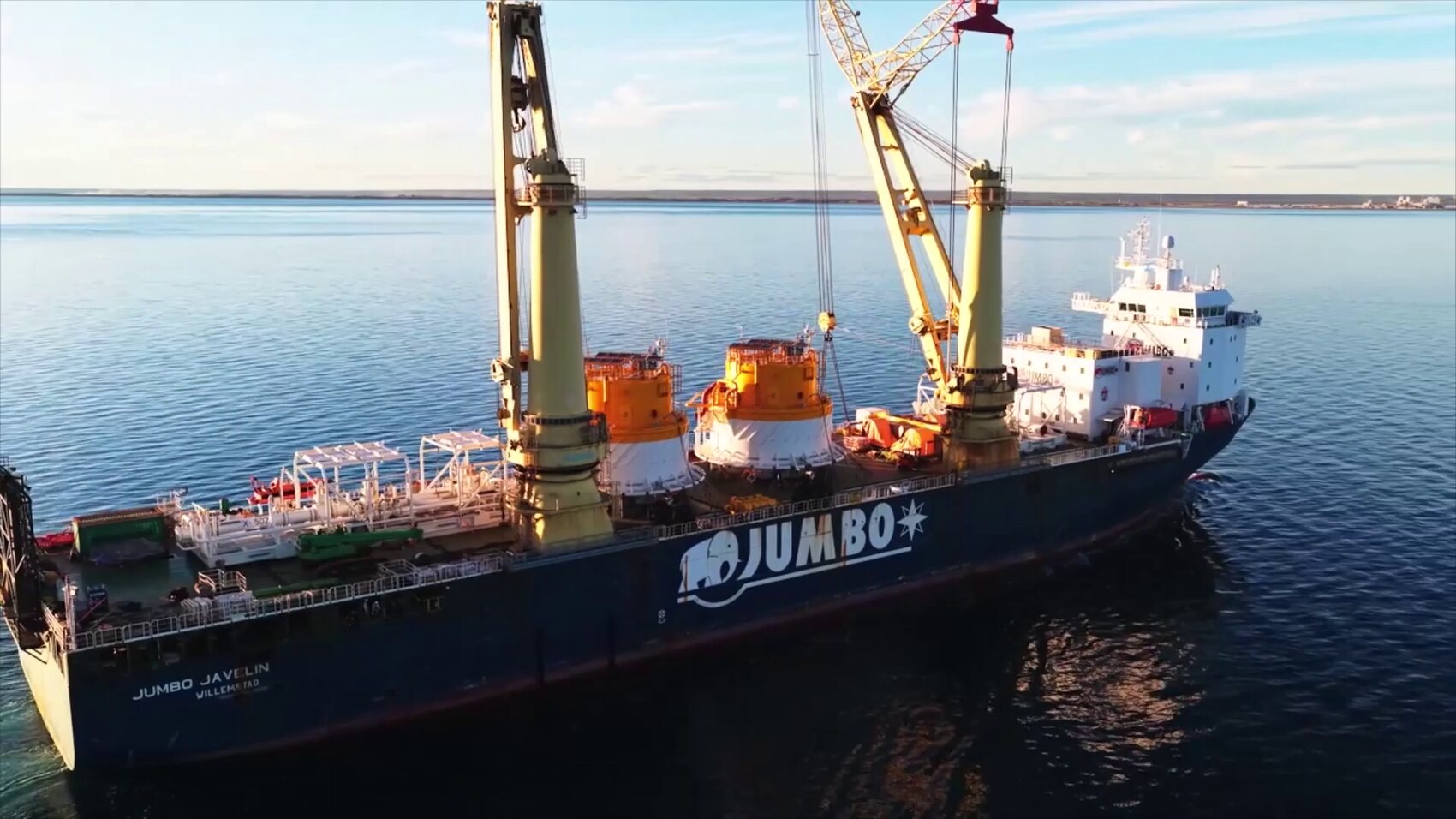
The VMOS pipeline, which will carry Vaca Muerta crude to a new export terminal on the Atlantic coast in Río Negro province, was about 85% built at the end of September, YPF said. It is due to open by the end of the year, with exports starting in the first quarter of 2027.