

Country risk, the extra yield investors demand to hold Argentine dollar bonds instead of US Treasuries, rose back above 700 points on Thursday, to about 709 in afternoon trading, as dollar bonds fell and the wholesale dollar climbed for a fifth straight session.
The reading, from JP Morgan’s gauge, matters because a higher premium raises what Argentina pays to borrow. It touched 710 on Wednesday, a 2026 high, before closing at 674. On Monday it had reached what was then its highest level of the year at 675.
Global bonds, the dollar bonds issued under New York law, fell up to 1.1%, and Bonares, issued under Argentine law, nearly as much. The main stock index, the MSCI Merval, fell about 2% in afternoon trading, and Argentine companies listed in New York fell more. Measured in dollars, the index dropped to its lowest in a year, by Infobae’s calculation.
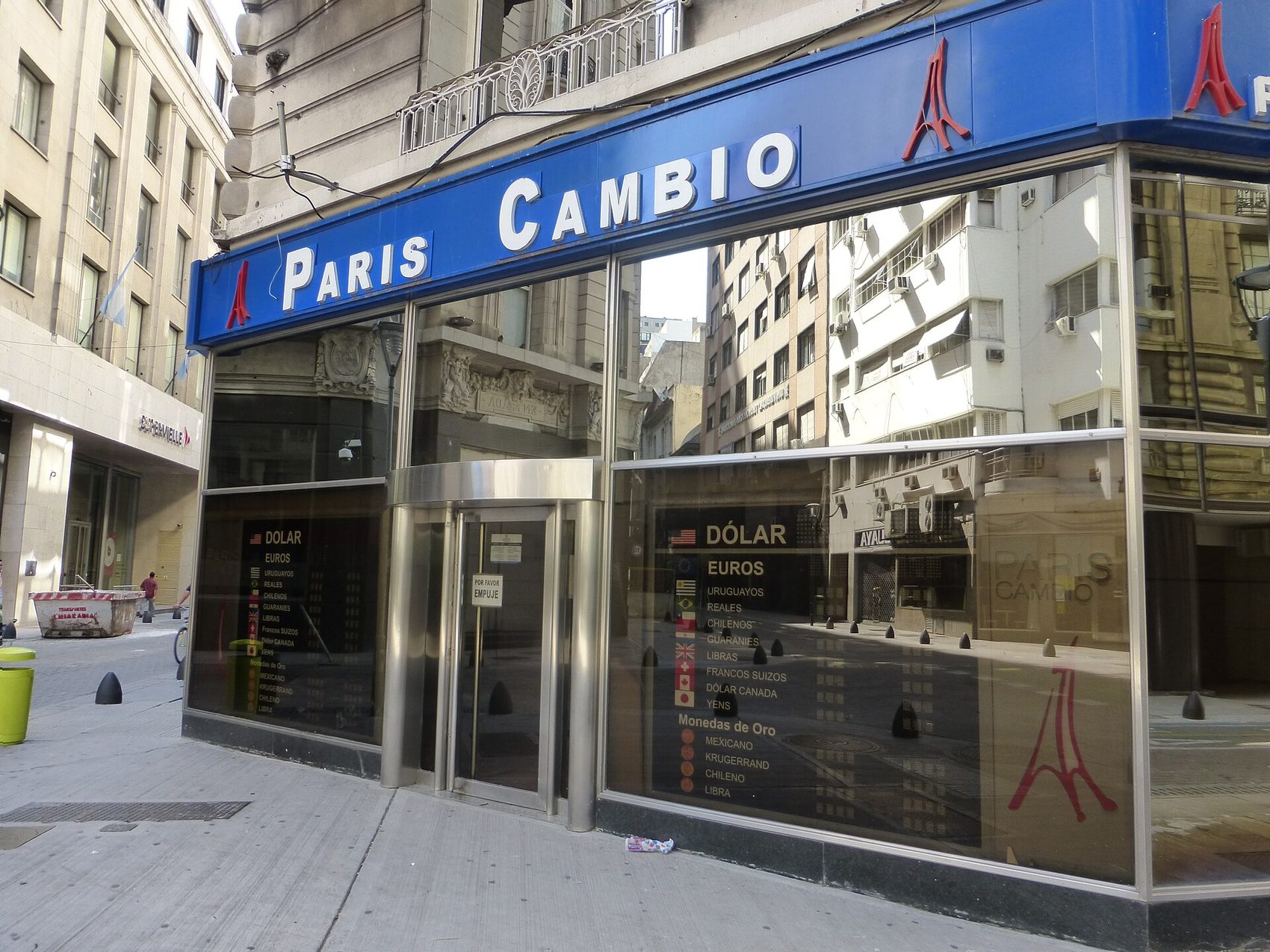
The wholesale dollar, the rate at which banks and companies trade, closed at 1,528 pesos, a record in nominal terms (not adjusted for inflation). At Banco Nación, the state bank whose retail rate is the usual reference for households, the official dollar sold for 1,550 pesos, also a record.
Oil rose to about US$111 a barrel on Middle East tension, and Argentine data added to the worry: INDEC, the national statistics agency, reported August activity up 0.1% from July after a 2.8% fall the month before. Investors also pointed to doubts about the economic outlook heading into 2027.
The US Federal Reserve meets at the end of the month, and markets are weighing whether it will raise interest rates again.