IMF staff and Argentina agreed Tuesday on the third review of the country’s US$20 billion loan program, the Fund said, opening the way to about US$900 million once its executive board approves it.
The Fund said in its statement that the program is delivering strong results despite a more complicated global backdrop. Net reserves beat the end-June target by about US$4 billion, it said, and the central bank has bought about US$16 billion this year. The money would add to reserves as the government lines up dollars for its own plan to cover about US$25 billion in debt payments in 2027.
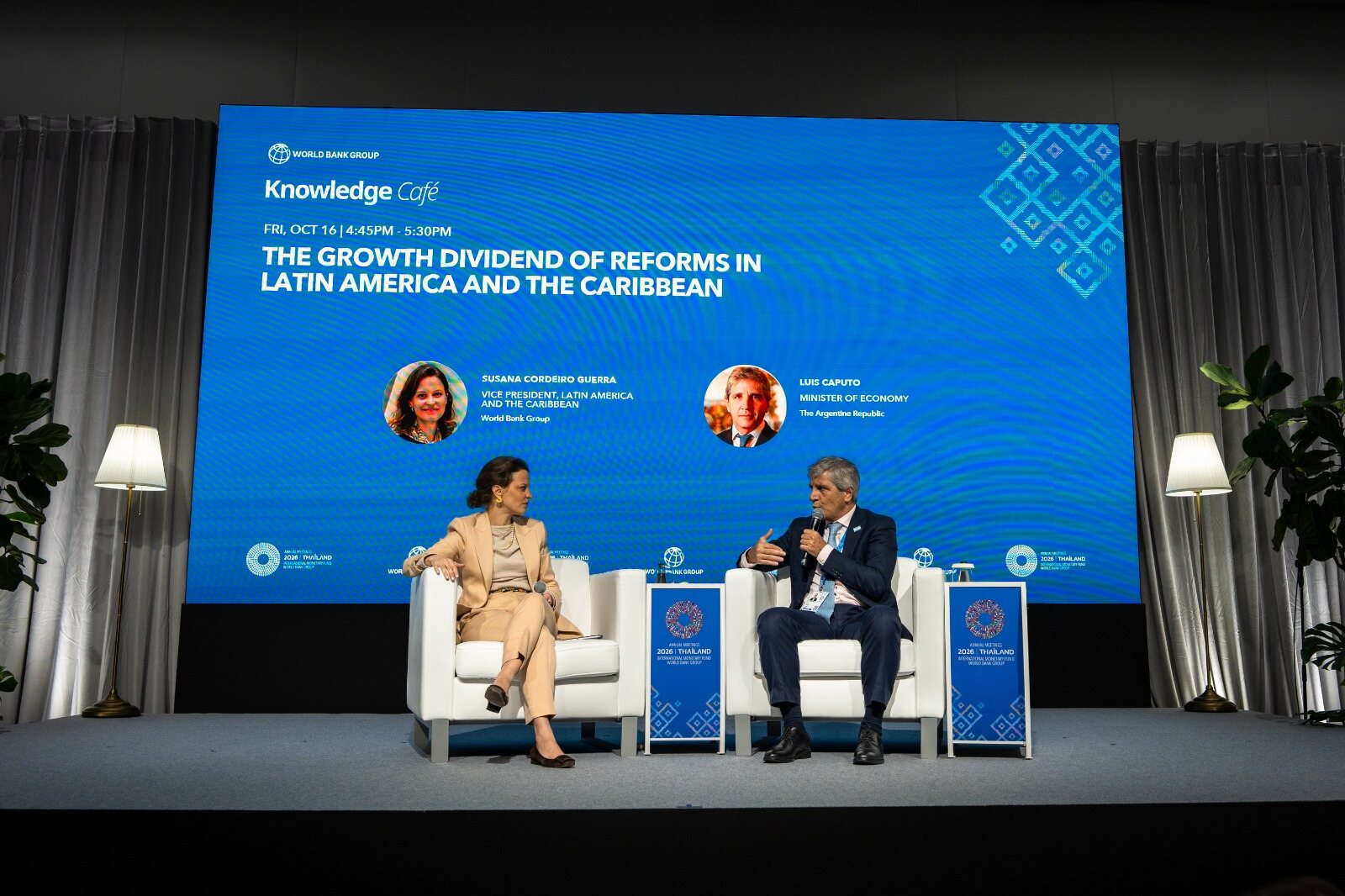
The IMF said the fiscal target remains the anchor of the program: a primary surplus, the budget balance before interest payments, of 1.4% of economic output this year and a similar effort in 2027. That requires continued spending discipline, it said, while protecting priority social and infrastructure spending. The statement restates the target without addressing the first-half shortfall, when the primary surplus fell short of a goal that had already been lowered once. The government’s own 2027 budget bill projects a 2026 surplus of 1.3%, and consultants say reaching the target would take further spending cuts. Economy Minister Luis Caputo had gone to Bangkok this month to ask the IMF to excuse the missed target.
The review comes as growth slows: the IMF itself cut its 2026 growth forecast for Argentina to 2.1% earlier this month.
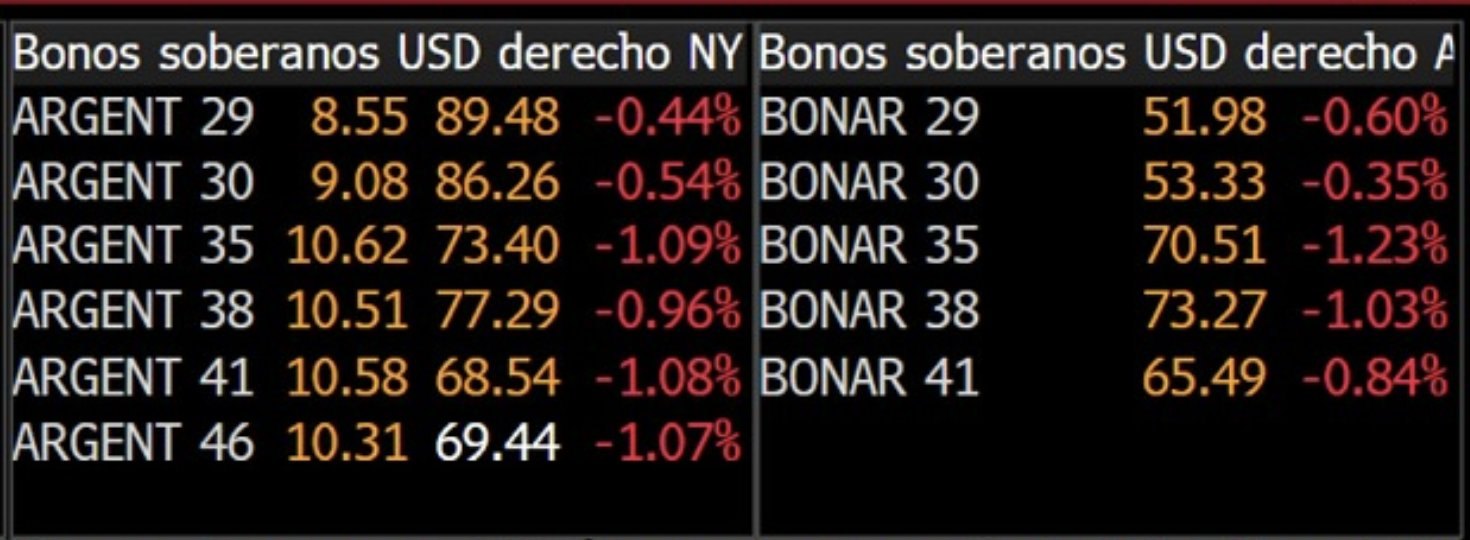
On financing, the Fund said the government will keep raising money in local markets, from official lenders and from privatization proceeds, and will stay ready to tap international markets “when conditions permit.” Country risk, the extra yield investors demand to hold Argentine bonds instead of US Treasuries, is near its highest level in a year.
The IMF said it expects to present the review to its board in early December, once Argentina completes the remaining measures agreed with the staff.