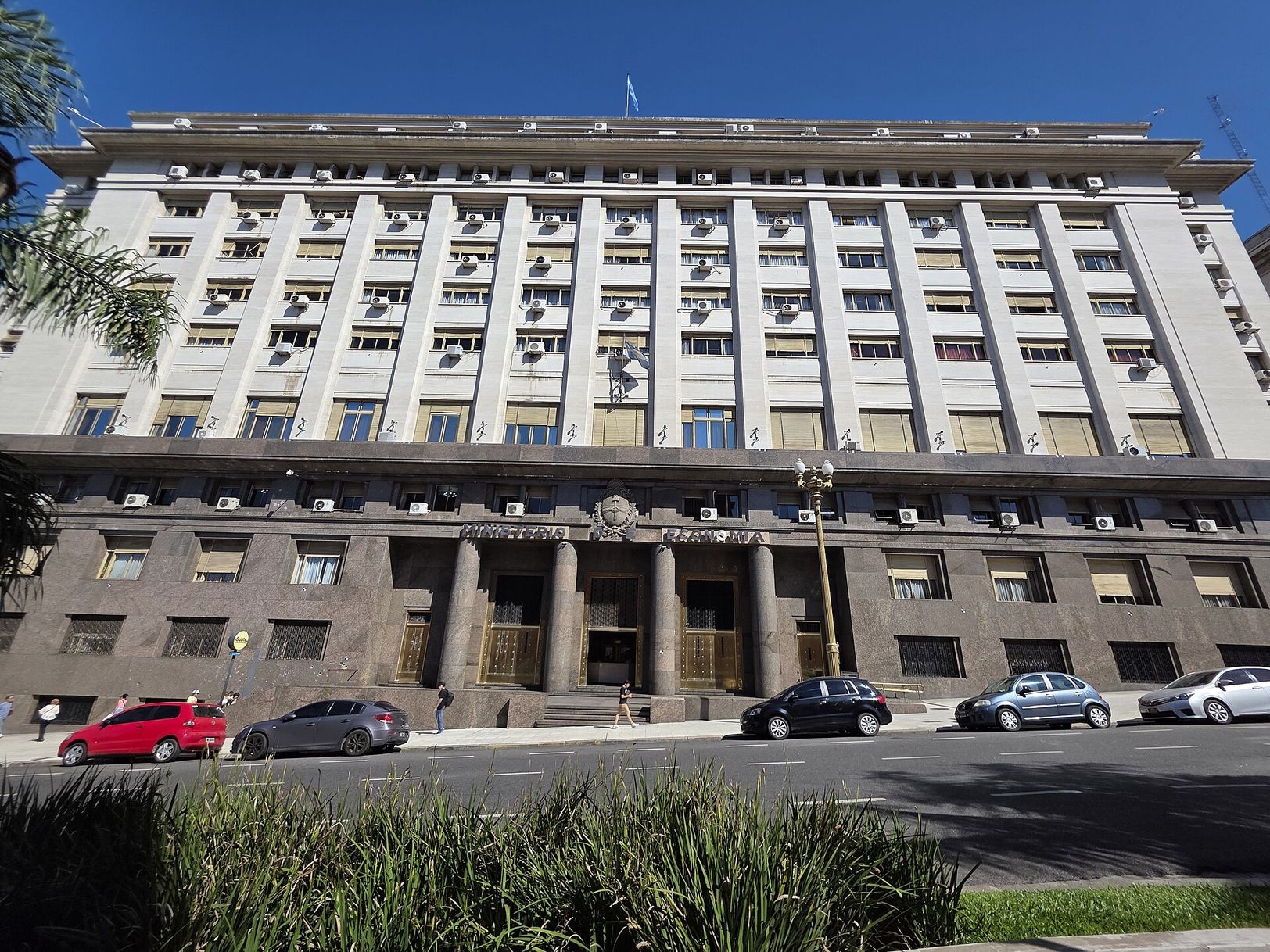
Economy Minister Luis Caputo arrives in Bangkok on Tuesday for the IMF and World Bank annual meetings, where he will ask the Fund for a waiver on a missed fiscal target and try to unlock about US$869 million tied to the third review of Argentina's loan program.
The money matters for the central bank's reserves. Argentina recently paid the IMF about US$795 million, and the repayment calendar with the Fund shows US$865 million due in November and US$340 million in December. The disbursement would offset the payment already made.
The review has hit a snag. The primary fiscal surplus (revenue minus spending before debt interest) for January to June came to 6.29 trillion pesos (about US$4.2bn), against an agreed target of 6.86 trillion pesos (about US$4.6bn), a shortfall of 573,974 million pesos (about US$385 million). The Economy Ministry will ask for a waiver, a formal dispensation that lets the review proceed despite the miss. Argentina did meet its June net reserves target, but only after the Fund relaxed the requirement.
A technical IMF mission led by Joyce Wong ended in Buenos Aires in late September without a staff-level agreement. Once one is reached, the Fund's Executive Board must approve the review before any money is released.
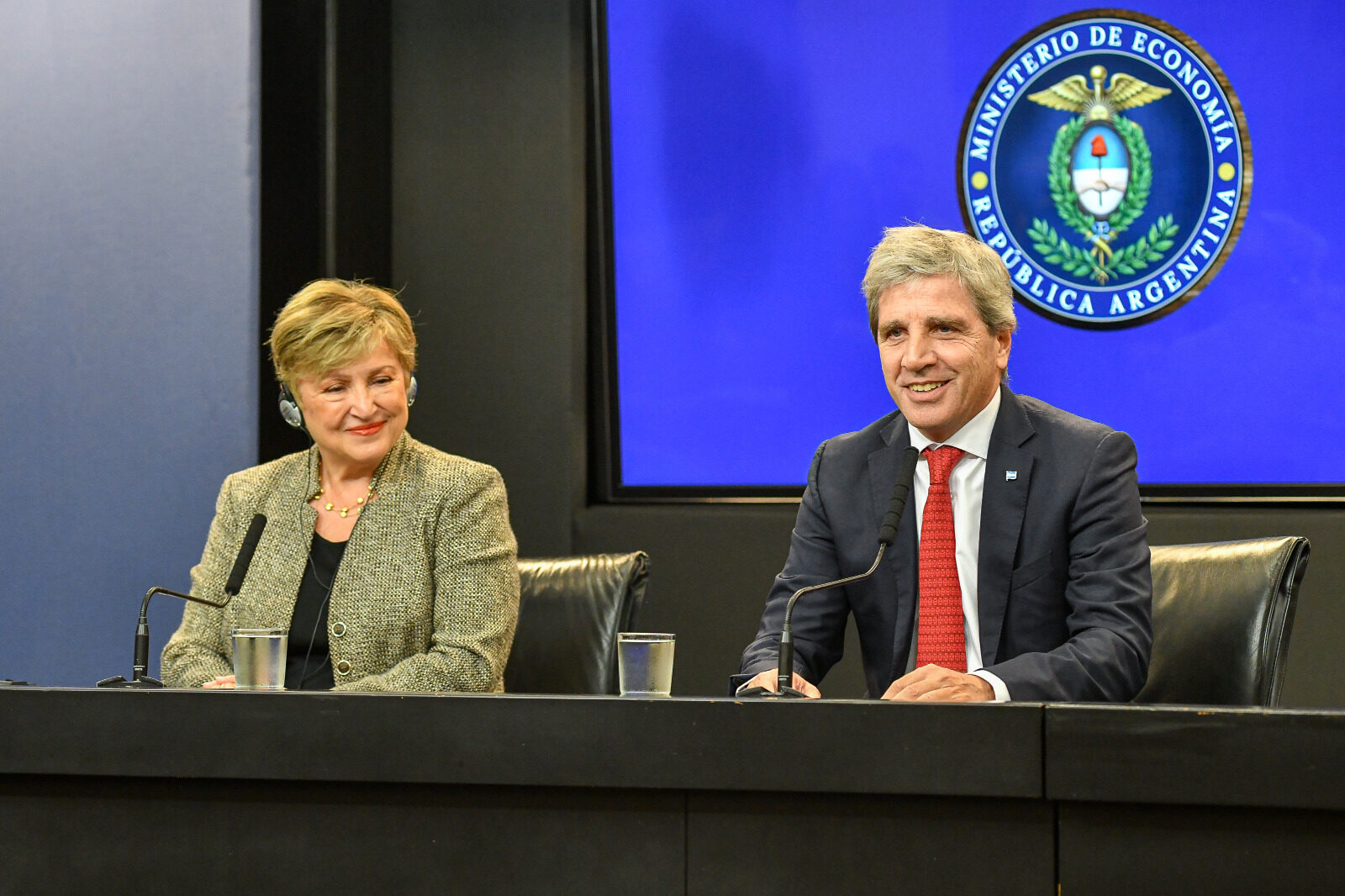
Caputo is due to meet IMF Managing Director Kristalina Georgieva, World Bank President Ajay Banga and Inter-American Development Bank President Ilan Goldfajn, accompanied by Economic Policy Secretary José Luis Daza and central bank officials Santiago Bausili and Vladimir Werning. The meetings run October 12 to 18.
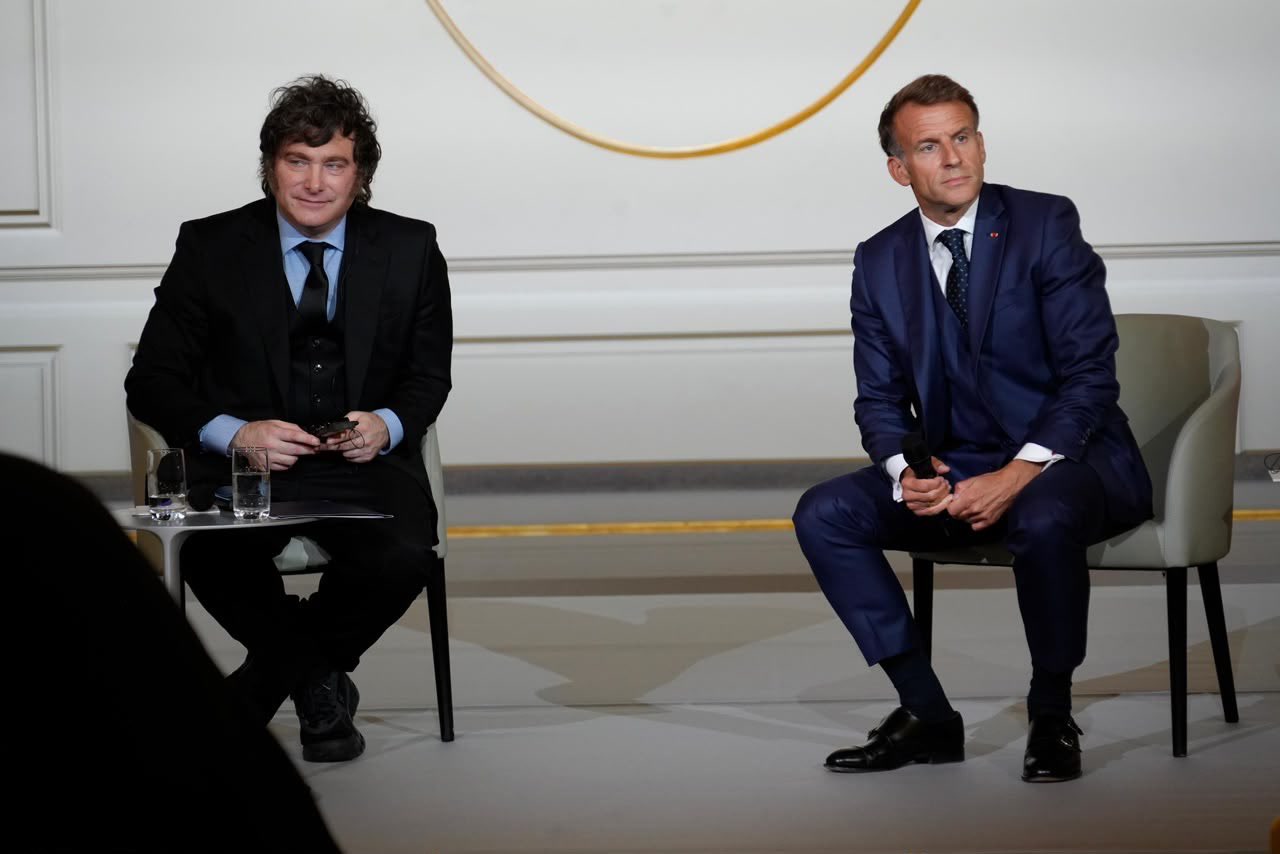
President Milei used a Monday interview on Radio Mitre to reject talk that Caputo is leaving the cabinet. "You'd have to be completely crazy to think Caputo is going to leave the government," he said, calling the reports "total nonsense" and saying they were meant to weaken the minister while he meets Georgieva. "Nobody questions Caputo, because they are my policies," Milei said. He added that he expects to be re-elected next year and that Caputo is one of the ministers he counts on for a second term.
The talks come as the economy softens. Official figures show activity fell 2.9% month on month in July, and the World Bank lowered its 2026 growth forecast for Argentina to 2.1% from 3.6% in June. IMF spokesperson Julie Kozack has said growth is concentrated in energy, mining and agriculture and needs to spread to other sectors.