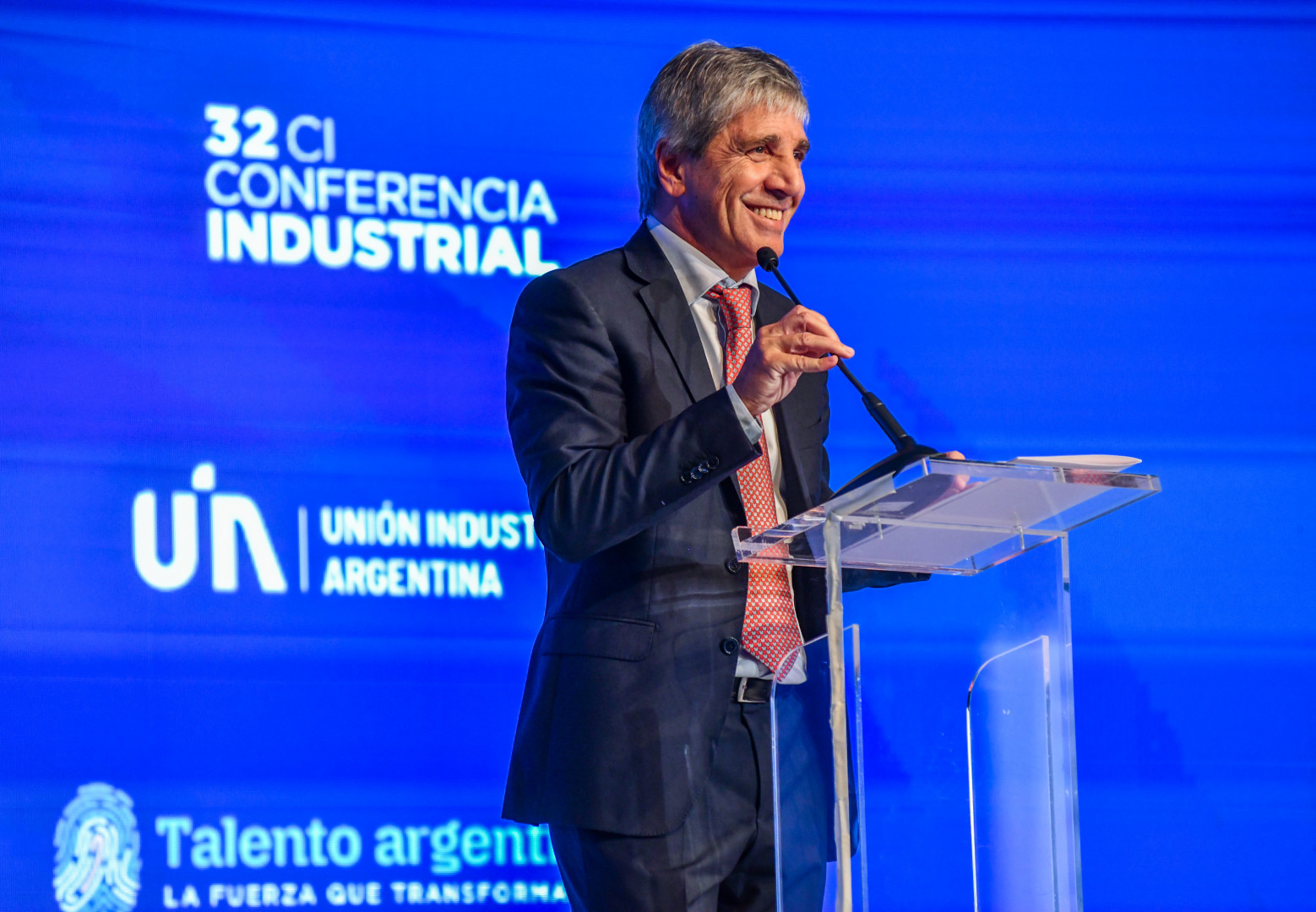
Economy Minister Luis Caputo announced on Tuesday that ARCA, the national tax and customs agency, will suspend asset seizures against small and mid-size companies until May 2027.
Caputo made the announcement at the annual conference of the Argentine Industrial Union (UIA), the country’s main industry lobby. He paired it with a wider payment plan for overdue taxes; permission for small firms to use what the state owes them in export refunds and export VAT to settle customs debts, with a rising share for large companies; and state-bank loans for the auto sector at fixed rates of about 20% a year over three to five years, according to the Economy Ministry.
Caputo also said the national government will propose that the provinces and Buenos Aires City eliminate the stamp tax, which they charge on contracts such as property and vehicle sales, leases and loans. He put its yield at 4–5 trillion pesos a year (roughly US$2.6–3.2 billion) and offered to pay half of that revenue to provinces that give up the other half. The offer is aimed at provinces that have joined the national investment-incentive regimes, and because provinces set the tax, each would have to agree.
The pause is aimed at companies that have fallen behind on taxes. Seizures let ARCA freeze company funds, and the Observatorio PyME, a foundation that tracks small and mid-size firms, found in a third-quarter report that one in seven small and mid-size manufacturers faces them over tax debts.
ARCA’s current plan lets small and mid-size firms repay debts that fell due by June 30 in up to 18 monthly installments, at 2.75% a month in financing and with no forgiveness of interest or fines. Caputo said the plan will extend to debts that fell due through Oct. 31.
Caputo called small firms’ financing costs “a huge problem” that will not necessarily be solved in a month or two, and said the relief fits what the government can afford given its fiscal consolidation. He said the targeted credit lines inject no new pesos and are not a handout plan. He also rejected devaluing the peso to make industry more competitive, saying it would impoverish wage earners, and said record exports mean dollars are plentiful today and will be more so.
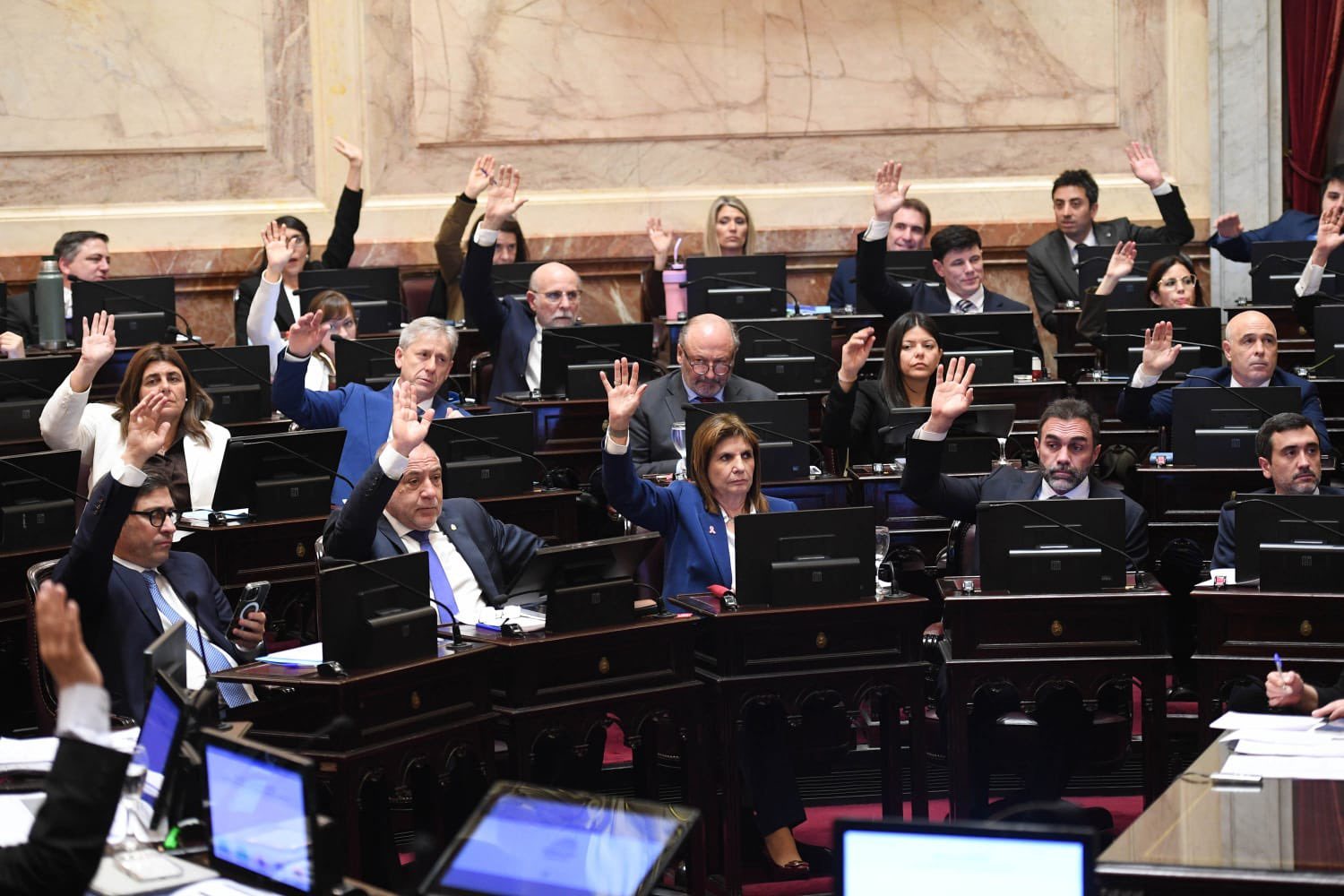
Senator Patricia Bullrich, who leads President Milei’s party in the Senate, welcomed the announcement on X and said she had pushed for it for a long time because business owners told her seizures were killing their companies. She added that relief must come without a return to uncontrolled spending.
El anuncio para aliviar la situación de las PyMEs es positivo. Es mirarlas a la cara y decirles: queremos llegar antes de que sea tarde. Lo planteé durante mucho tiempo porque, con cada empresario que hablaba, nos repetía lo mismo: los embargos están matando a las empresas. Apoyar a quienes crean riqueza, invierten y generan trabajo es fundamental. En un momento difícil del proceso de estabilización, hacen falta medidas concretas que ayuden a mover la economía, sin volver a las recetas del gasto descontrolado ni al plan platita. Vamos a seguir acercando propuestas y trabajando para que el rumbo económico se traduzca en progreso y para que los resultados lleguen a todos.
Translation: "The announcement to ease the situation of small and mid-size businesses is positive. It is looking them in the face and saying: we want to get there before it is too late. I raised this for a long time because every business owner I spoke to told us the same thing: the seizures are killing companies. Supporting those who create wealth, invest and generate jobs is essential. At a difficult moment in the stabilization process, concrete measures are needed to help move the economy, without going back to the recipes of uncontrolled spending or the handout plan. We will keep bringing proposals and working so that the economic course turns into progress and so that results reach everyone."
UIA president Martín Rappallini called the seizure pause, the wider payment plan and the customs-debt measure important and said the group will keep pressing for more. In his closing speech he said stabilization is essential but only a start, and that labor-intensive small manufacturers cannot wait for a full overhaul of the economy. He cited UIA data showing a 2.8% fall in industrial output in the first nine months of the year from a year earlier and almost 95,000 formal industrial jobs lost since August 2023, and presented a UIA plan for a tax pact with the provinces and a tax-break regime for industry modeled on the large-investment regime.
Industry reaction was mixed. Claudio Drescher, who heads an apparel manufacturers’ chamber, told La Nación he had expected more: “They stop the seizures for me, but I want activity to start. I don’t want seizures, I want production, growth and jobs.” UIA research executive Diego Coatz said the measures point in the right direction but their effect will be limited in the short term given how stagnant activity is. Toyota Argentina’s president, Gustavo Salinas, called them coherent and welcome.
Córdoba Governor Martín Llaryora, speaking on a panel at the conference, said the national government “cannot look the other way” as small companies close. He said that if the stamp tax goes, the national government should also cut the bank debit tax and the other national taxes it does not share with the provinces.