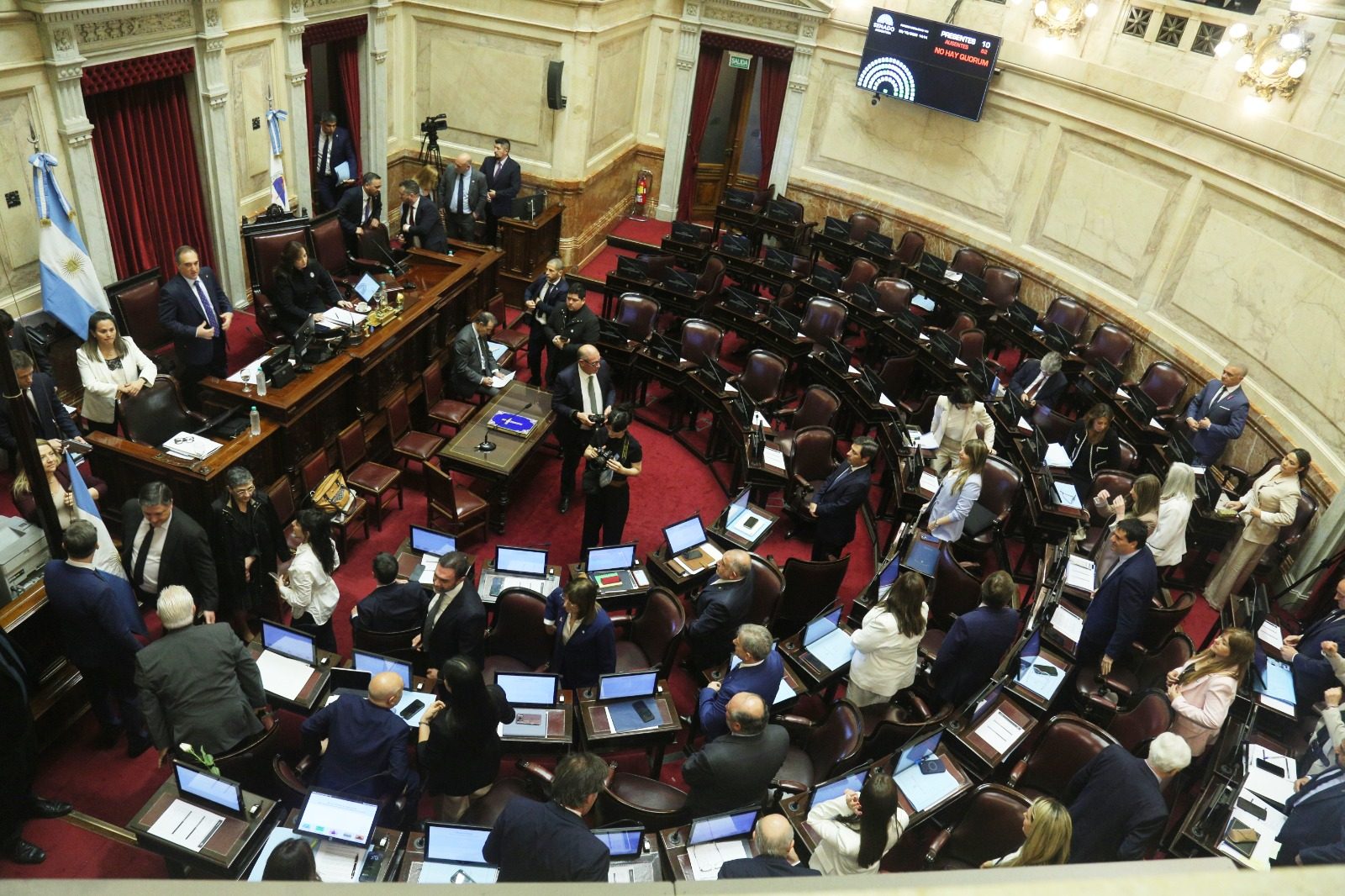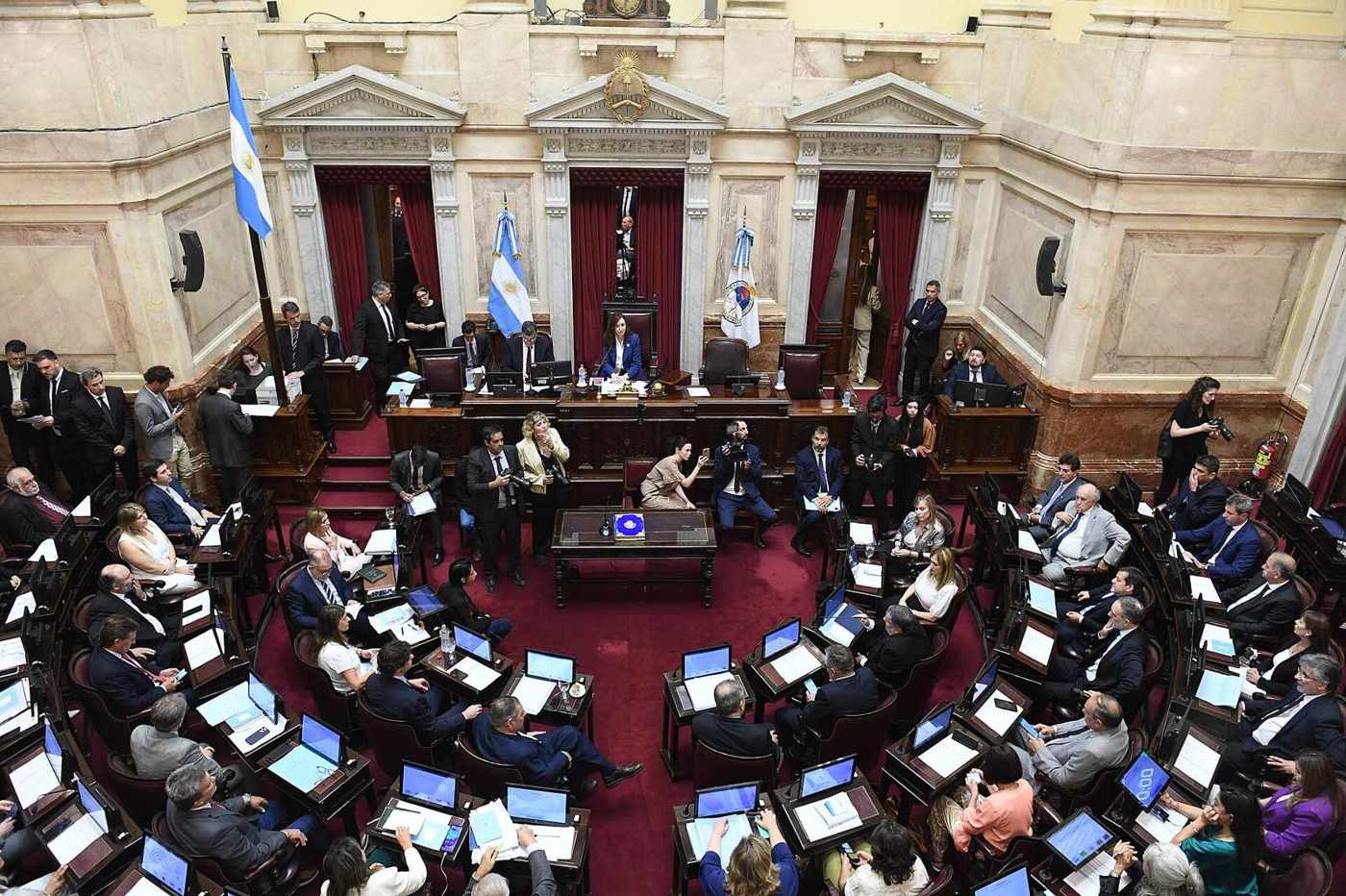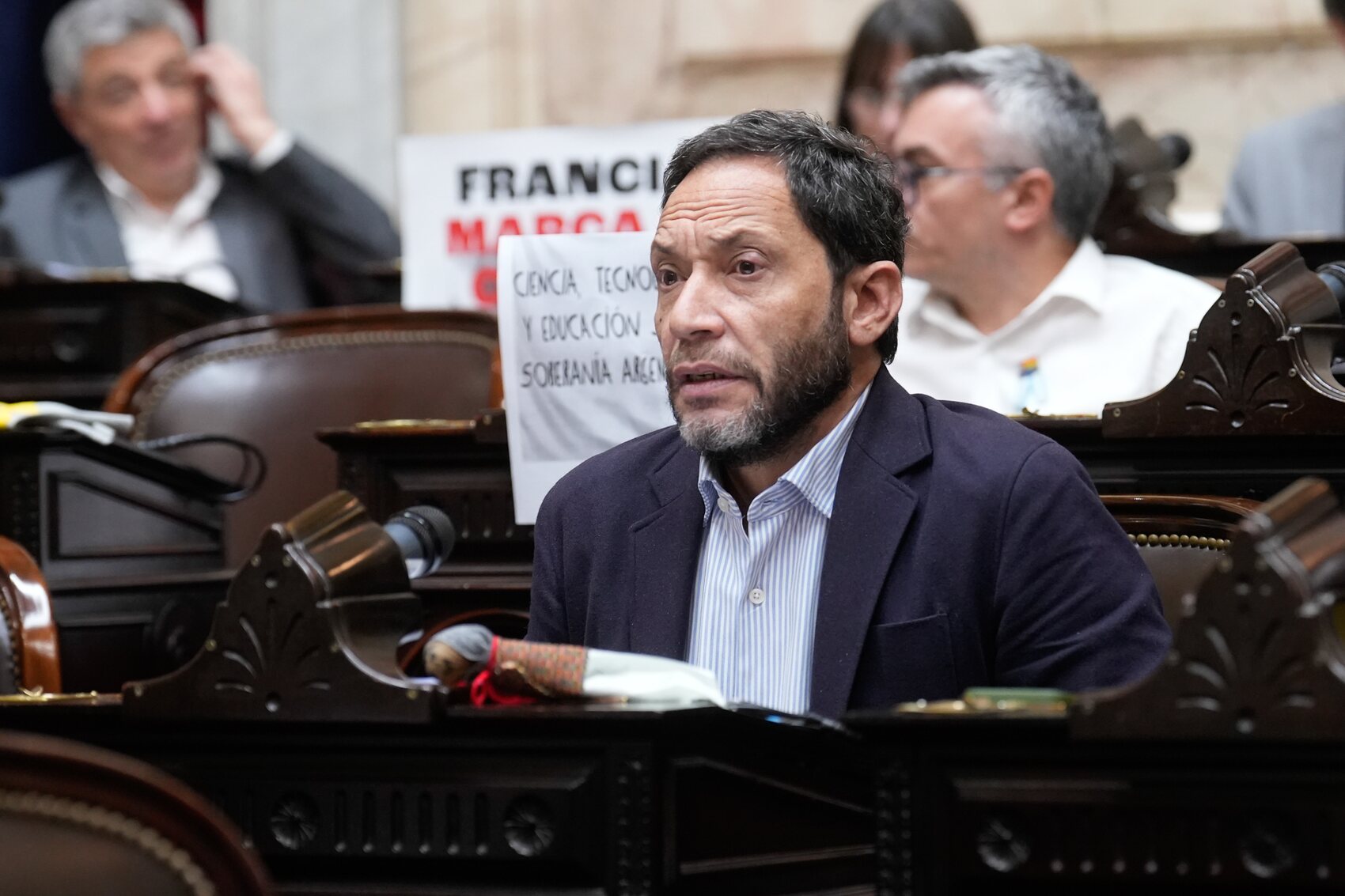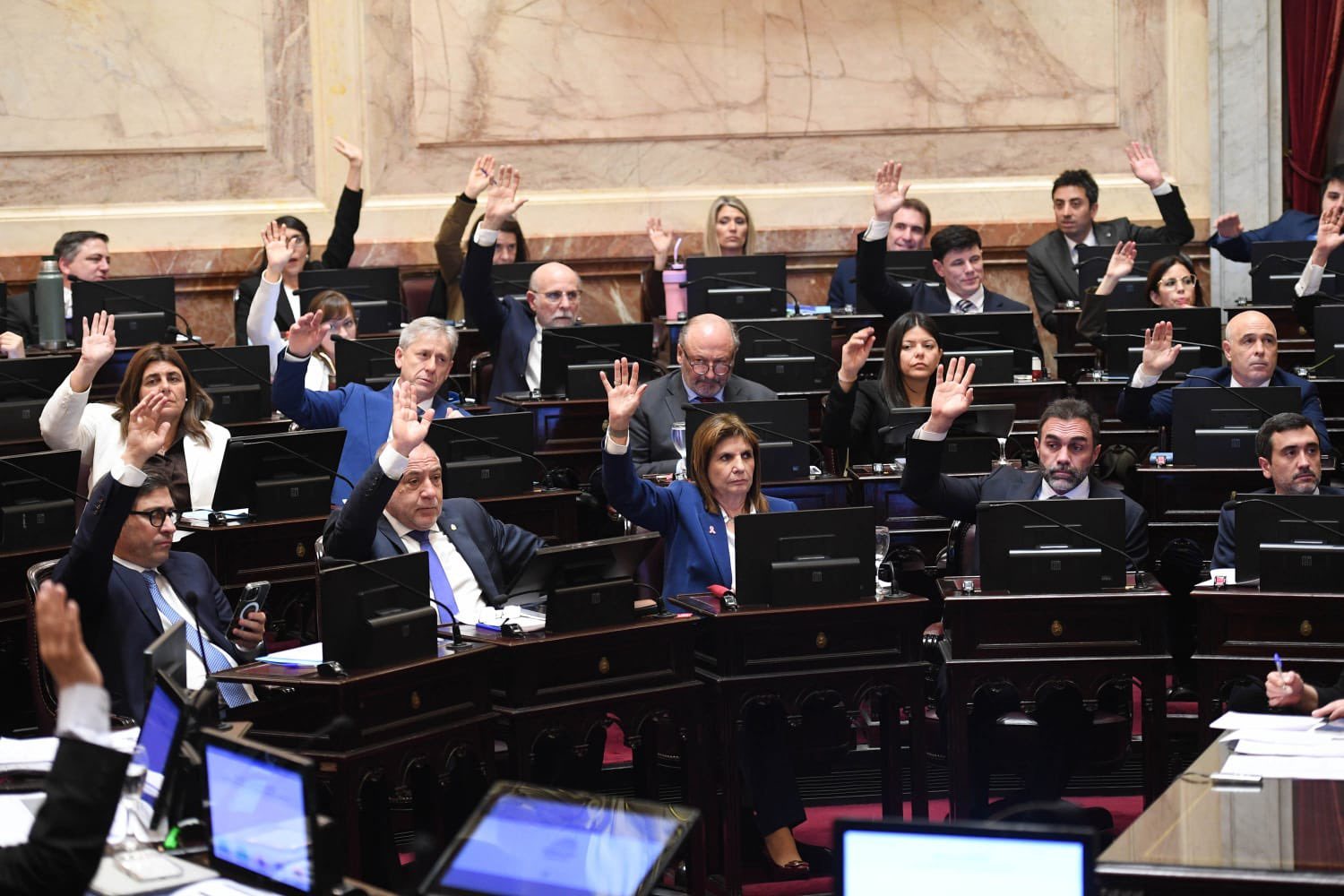
Argentina’s Senate on Thursday approved a regime of tax breaks for investments of at least US$12 million and a legal framework for carbon credits, each by 60 votes to 2.
The investment regime, known by its Spanish initials RIIR, is aimed at companies above the legal definition of a medium-sized business that put money into new machinery, equipment or production works in the law’s first two years. They can write off the cost against income tax faster and get value-added tax credits refunded early, and they get 30 years of tax stability.
Senator Eduardo Vischi of the Radical Civic Union (UCR), who wrote the bill, presented it as filling the gap between those two regimes. Patricia Bullrich, who leads Milei’s party in the Senate, presented it as the next step after RIGI, the large-investment regime.
Irrigation systems, energy-efficient equipment, hail nets and breeding livestock can qualify with no minimum, and the Senate added fishing vessels and equipment, wood-processing equipment and heifers kept for breeding. Under the bill, companies must commit to buy at least 20% of their spending on tradable goods from Argentine suppliers where local supply is available at market conditions. Cars, financial assets and portfolio investments are excluded.
Peronist senators backed both bills in general but criticized the layering of incentive regimes. Jorge Capitanich of Chaco said the country is piling up investment regimes with uneven terms and a fiscal cost that no budget limit accounts for. The only two votes against both bills came from Santa Cruz senators Natalia Gadano and José María Carambia.
The carbon bill merges three proposals. It creates a national registry for projects that cut or capture greenhouse gases, defines each credit as a certified claim to one tonne of carbon dioxide avoided, reduced or removed, and sets rules to stop the same tonne being counted twice. Credits are treated as property separate from the land, with ownership settled by contract between project developers and landowners, and provinces keep ownership of their natural resources.
Selling credits to another country that counts the reduction toward its own climate target under the Paris Agreement requires state authorization and a matching adjustment in Argentina’s emissions accounts. Export duties on international credit transfers are set at zero, and registered projects get 30 years of national tax stability, extended on the floor from the 10 years in the committee text over Peronist objections.
Senator Flavia Royón, who wrote one of the three proposals, told the chamber that credits sold on regulated international markets could bring the country between US$1.4 billion and US$3.9 billion. Andrés Costamagna, sustainability director of the Argentine Rural Society, a farm-owners’ group, said farming, livestock and forestry could cut costs and “perhaps” earn extra income from carbon credits, but that deputies still have to support the bill.
Both bills now go to the Chamber of Deputies, the lower house, and become law only if deputies approve them too.