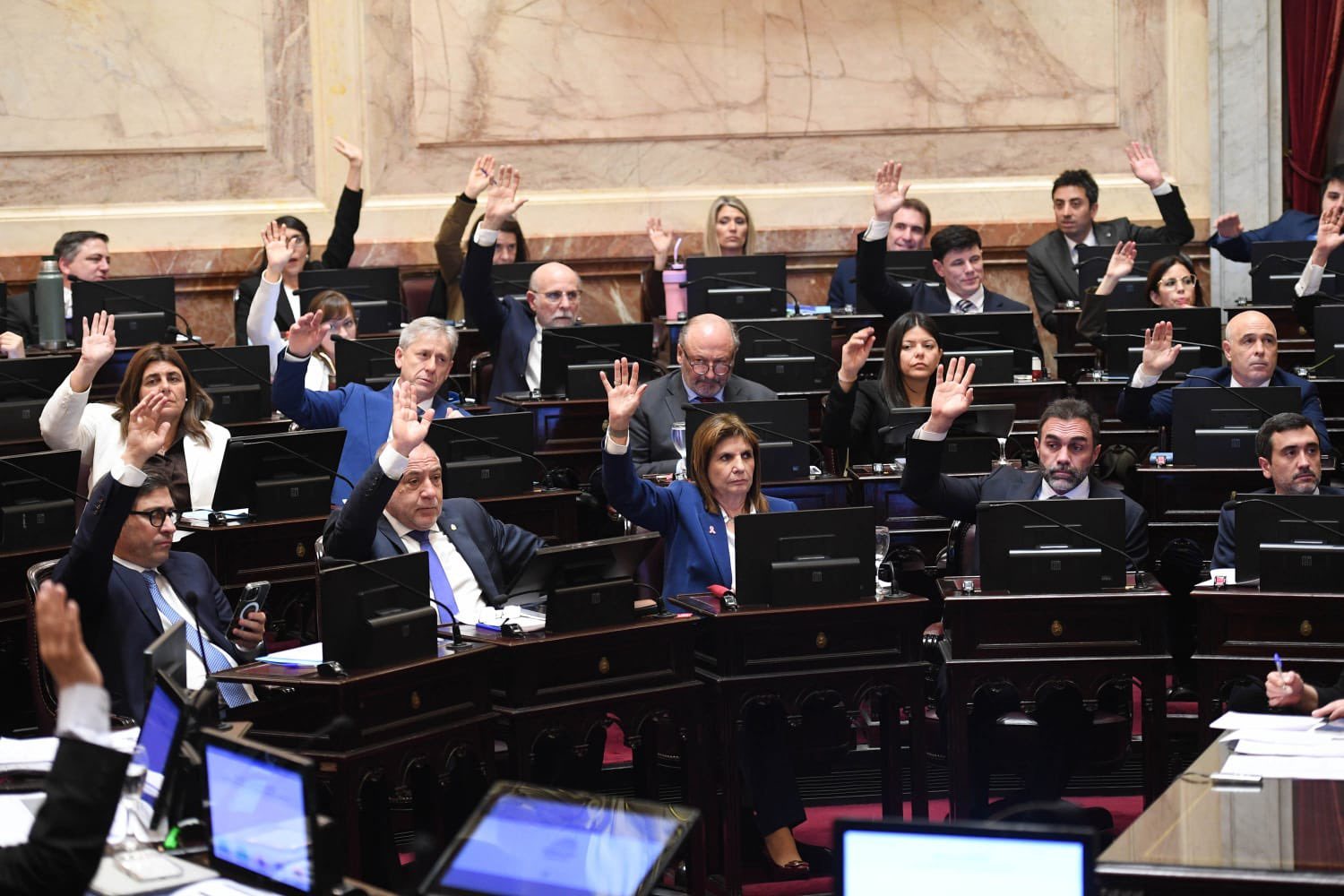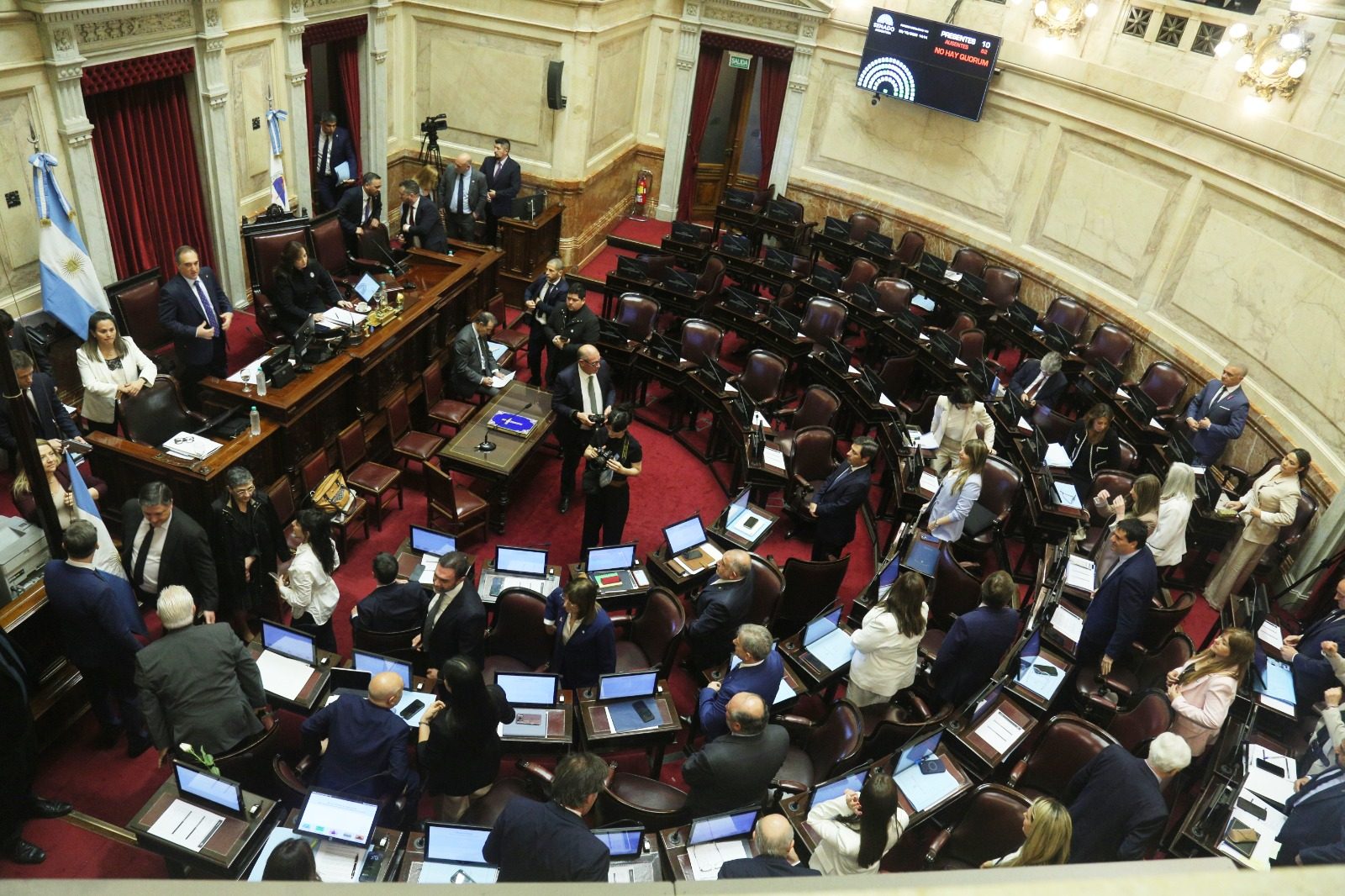
Argentina’s Senate voted 42 to 21 early Friday for a bill to overhaul the 2010 mental health law, changing the rules for when a person can be hospitalized without consent.
Support came from President Milei’s party, La Libertad Avanza, from the PRO (the party of former president Mauricio Macri), from the Radical Civic Union (UCR) and from several provincial parties. All 21 votes against came from Peronists and Peronist-aligned provincial groups, among them a three-member group of dissident Peronists who said the changes fell short, mainly on funding. There were no abstentions.
The biggest change for patients and families is the test for involuntary hospitalization. The 2010 law required a risk that was certain and imminent. The new text allows it when there is a serious risk of harm to the person’s life or physical integrity, or to others’, judged on past episodes and the likely course without treatment. It stays an exceptional measure, allowed only when outpatient care cannot work.
A doctor, preferably a psychiatrist or someone trained in mental health, and a second professional, expected to be a psychologist, are to assess the patient. In an emergency one doctor can order the hospitalization, which an interdisciplinary team must confirm within 48 hours. A judge must be told within 24 hours and has three days to validate the decision, order more expert reports or release the patient.
The text also widens addiction care to cover gambling, allows psychiatrists to join by video consultation where none is available locally, and keeps children and teenagers apart from adults except in justified cases. Hospitalizations can take place in general hospitals or specialist psychiatric institutions, but the 2010 ban on creating new asylums, known as manicomios, stays.
The text changed until minutes before the debate, because the government needed its allies’ votes. Provinces, which would run the services, complained that the bill gave them new duties without money, and provincial health officials and some universities pressed for psychologists to count alongside psychiatrists. The Senate added an article under which the national government will give provinces and the City of Buenos Aires technical and financial help through agreements with each one, with specific lines in the annual budget, and wrote the psychologist’s role into the evaluations.
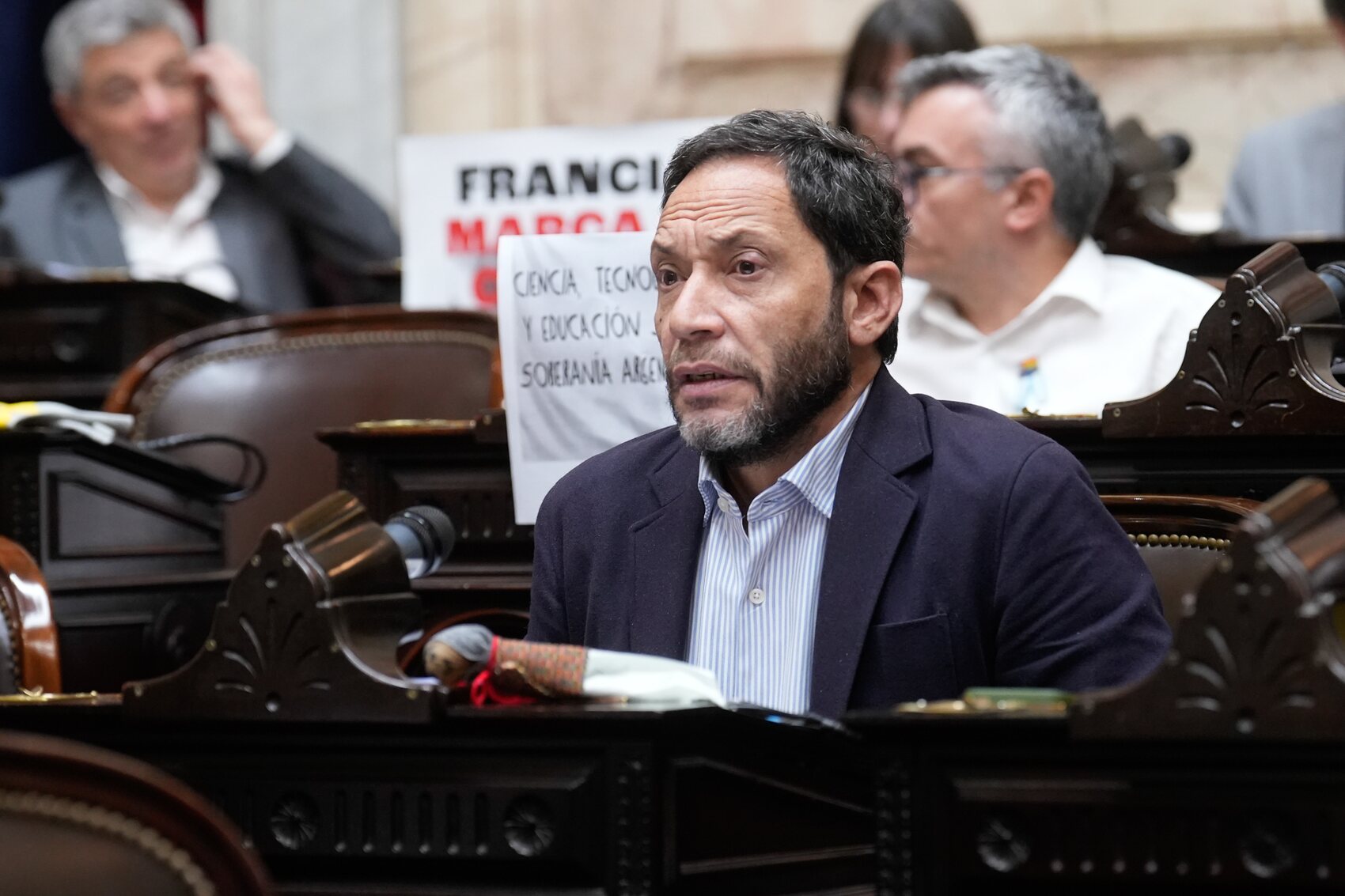
Patricia Bullrich, who leads Milei’s party in the Senate, said that stepping in early protects both society and patients: “This saves lives.” Guillermo Andrada, a dissident Peronist from Catamarca, said lack of funding was one reason the 2010 law failed: “We cannot make a law that promises what cannot be delivered.” Peronist Senator María Celeste Giménez Navarro called the bill a regressive reform.
In the same session, senators approved a new tax-incentive regime for investments of US$12 million or more and a legal framework for carbon credits.
The bill now goes to the Chamber of Deputies, the lower house. It becomes law only if deputies approve it too, and if they amend it, the Senate gets another vote.