A decree published Monday lets foreign-owned companies registered in Argentina count as local suppliers on projects under RIGI, the country’s large-investment incentive regime. The decree, in the Boletín Oficial, the government’s official gazette, took effect on publication.
Until now, a company had to be registered in Argentina and have at least 51% of its capital or votes in local hands to qualify. Under the decree, signed by President Milei, Cabinet Chief Diego Santilli and Economy Minister Luis Caputo, being incorporated and based in the country is enough, whatever the nationality of its shareholders.
The regime’s 20% minimum for contracts with local suppliers does not change, so Argentine-owned firms must now compete for that share with local subsidiaries of multinationals. The origin test for goods stays: products still have to meet the national-origin criteria of Mercosur, the South American trade bloc, to count as Argentine. The decree says the aim is to bring companies based in the country into the supply chains of RIGI projects and to widen competition among suppliers.
Manufacturers have pushed for more local content. The Argentine Industrial Union (UIA), the main manufacturers’ lobby, asked Congress in June to apply the 20% only to goods with local value added, so that services and works would not fill it. Industry sources told El Cronista the change widens competition but is welcome if the goods are made in Argentina, add value and create jobs here, while another warned it could help imported products pass as local. The consultancy Paspartú asked whether it will strengthen domestic producers or do the opposite.
The decree also changes other rules for approved projects. Buying shares in a project’s company does not alter its benefits, but the purchase does not count toward the minimum investment the regime requires. And for some approved projects the central bank can require that the dollars they have brought in from abroad at least match the dollars they buy on the currency market. Dollars that shareholders, partners and parent companies bring from abroad now count toward that rule if the money goes into the project and can be traced in its accounts.
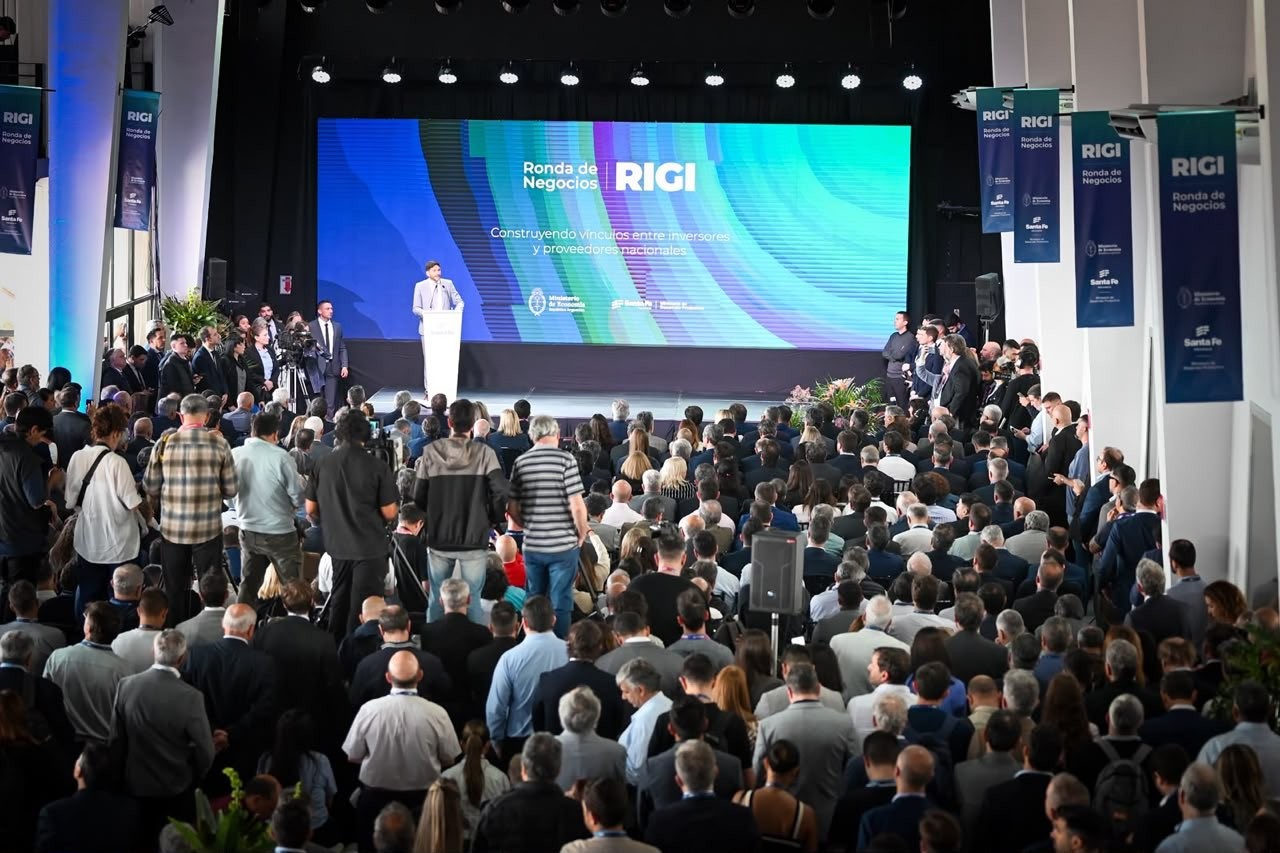
The Economy Ministry’s second RIGI business round, which connects project owners with suppliers, is set for Dec. 2, and its call expects 60 buying companies and more than 2,000 suppliers.