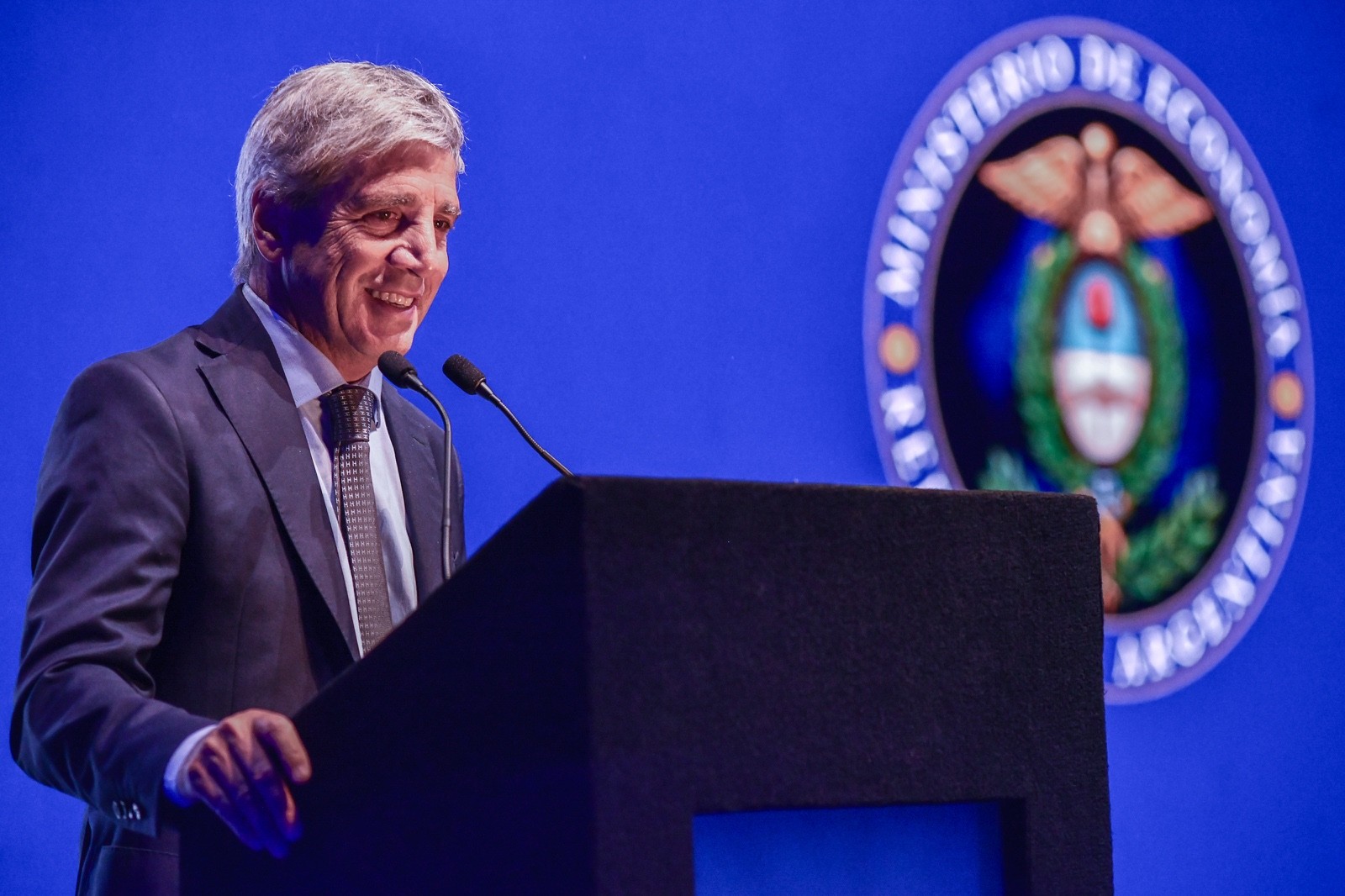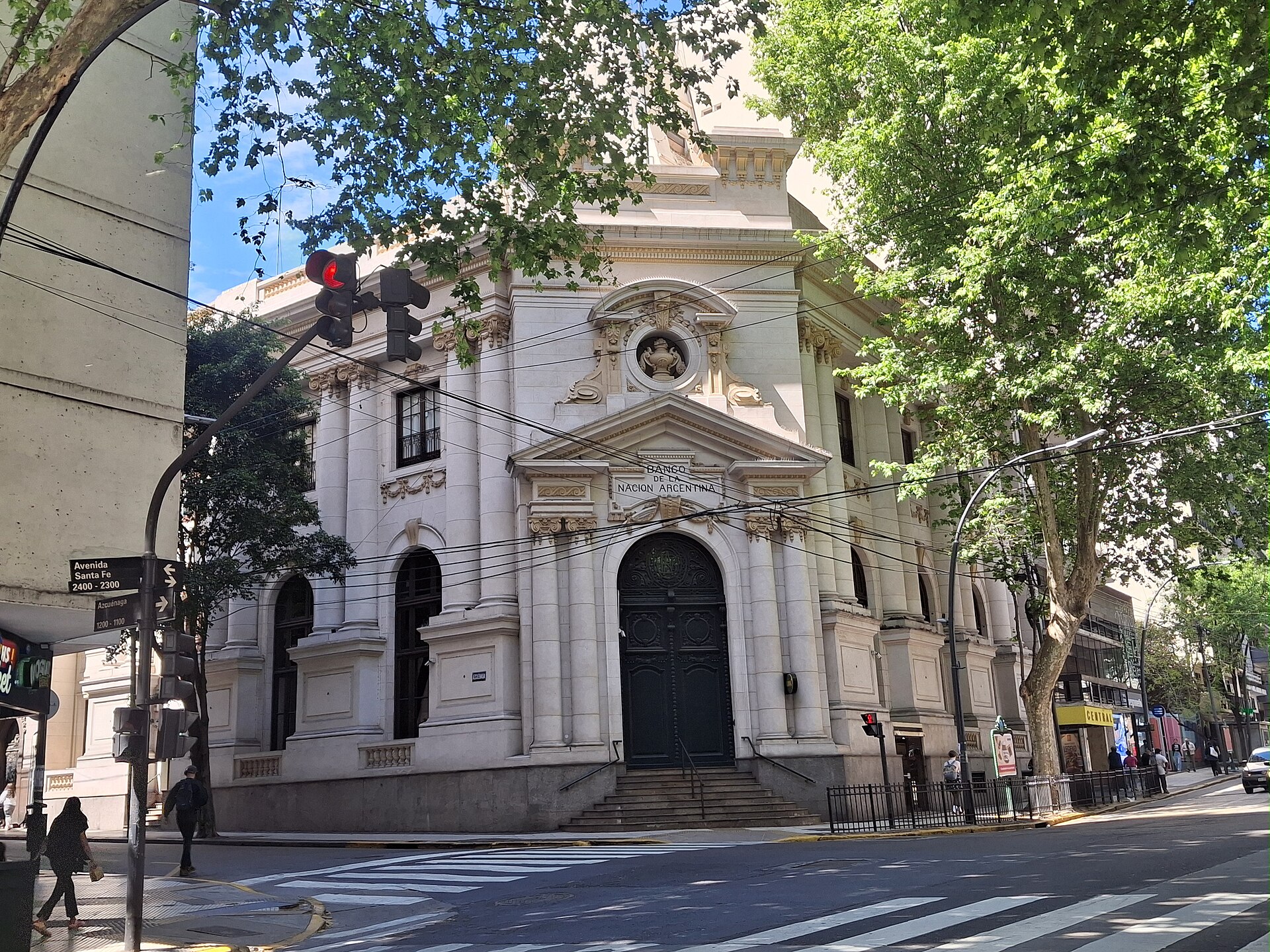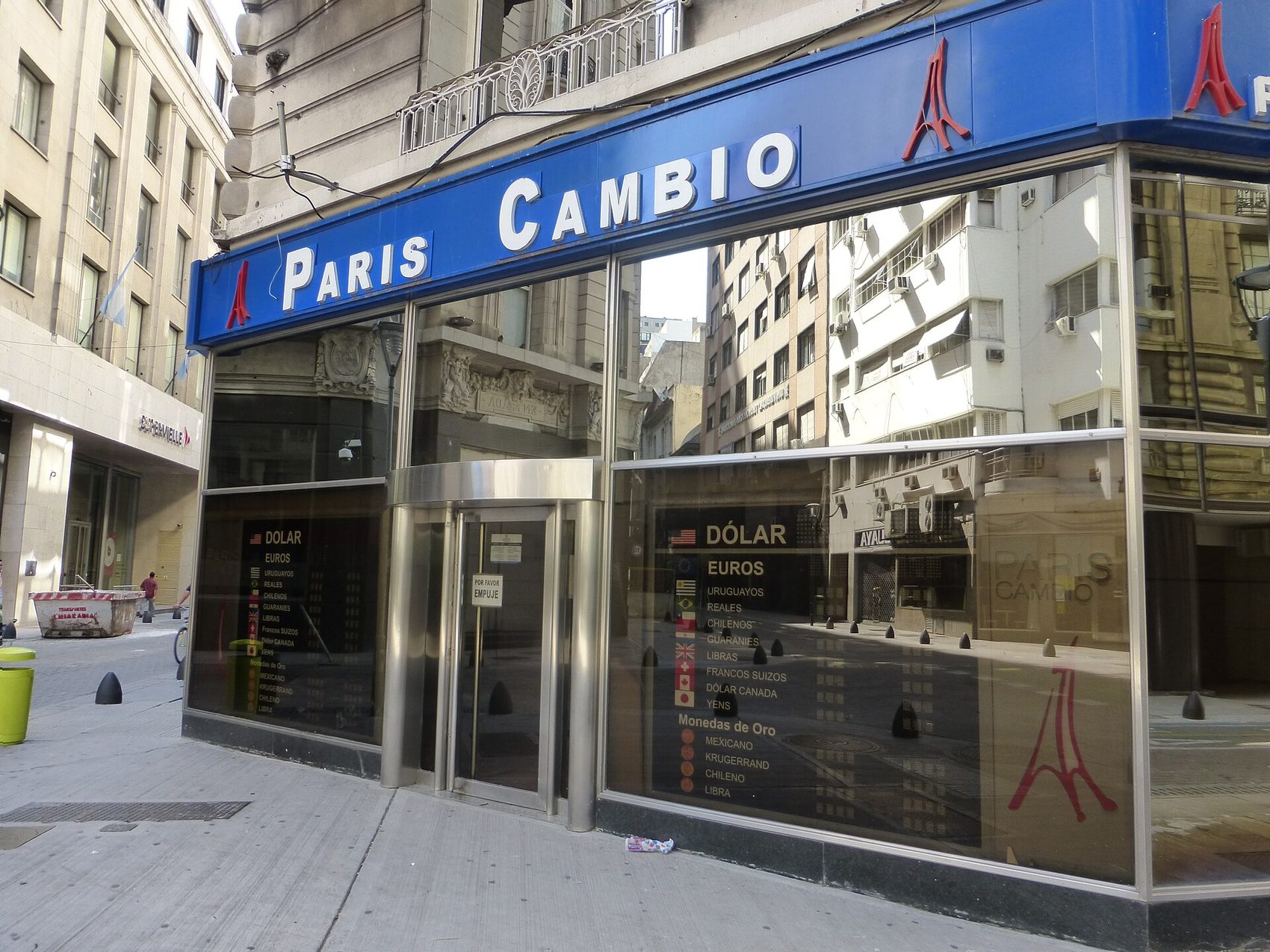
The official dollar passed 1,600 pesos at Banco Nación, the state-owned bank, for the first time on Tuesday, selling for 1,615, up from 1,600 on Friday, as Argentine dollar bonds fell again.
Country risk, the extra yield investors demand to hold Argentine dollar bonds instead of US Treasuries, rose more than 5% on the day to around 1,100 points in JP Morgan’s index in afternoon trading, according to Rava market data. That is the highest this year and since October 2025. The index had first topped 1,000 on Friday.
The wholesale rate, at which banks and companies trade dollars, rose to 1,593 pesos, a record in nominal terms before adjusting for inflation, according to central bank data. The contado con liquidación rate, a legal stock-market dollar used to move money abroad, topped 1,780 pesos, more than 12% above the wholesale rate, La Nación’s market data show.
Analysts point to investors selling risky assets worldwide, with Wall Street technology stocks falling again, and to a stronger global dollar that has pushed down emerging-market currencies, including Brazil’s real. Max Capital, a brokerage, said election risks were adding to the global ones. Economist Martín Polo said the government is intervening less and letting the official rate rise in a controlled way to avoid losing reserves.
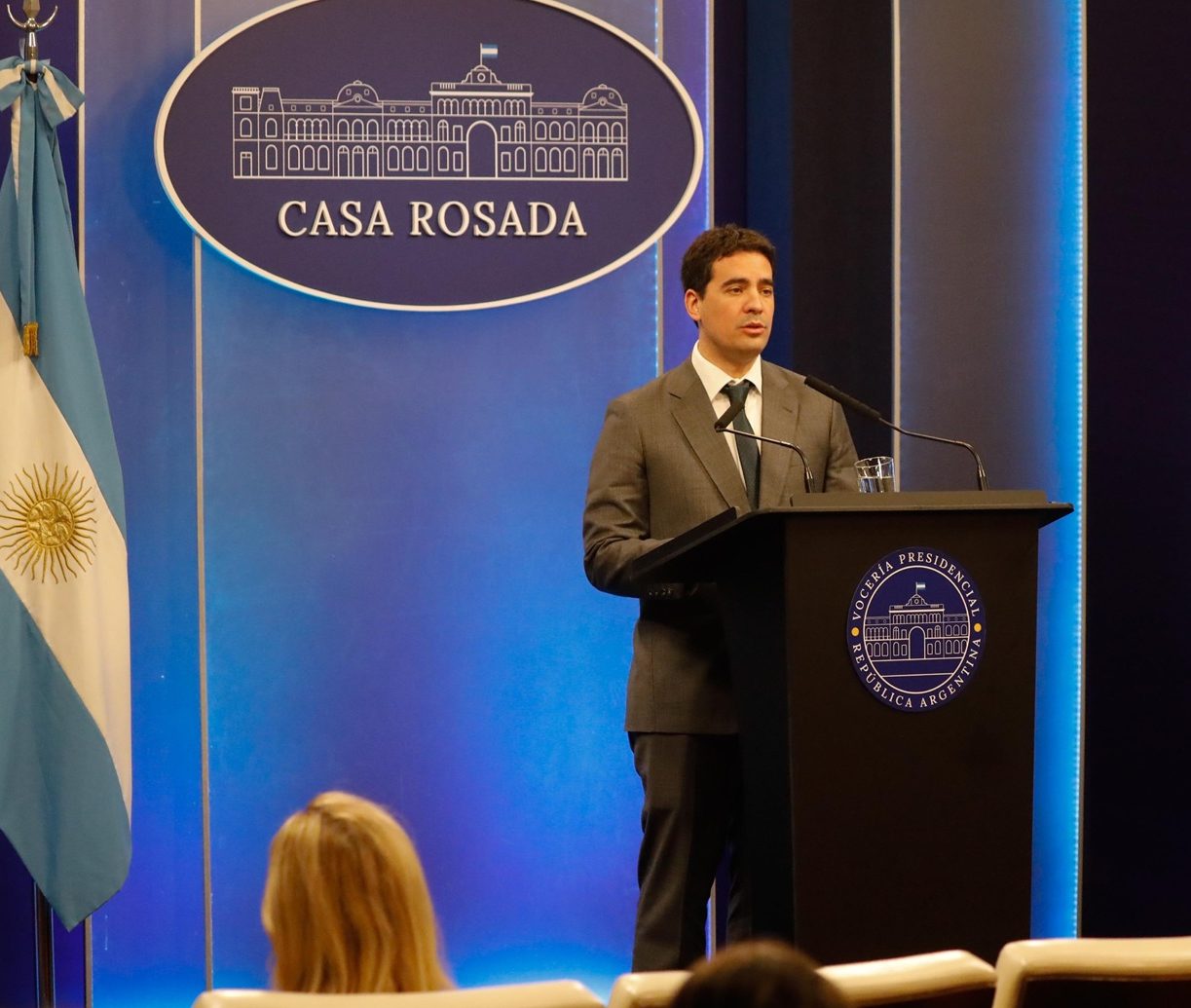
Presidential spokesman Adrián Ravier said the government rules out media speculation that Economy Minister Luis Caputo will leave, calling him one of the government’s most important ministers. “We know there is a complex global context, with a lot of uncertainty,” he said, pointing to Brazil, to growth forecasts being cut and to the war in the Middle East. He added that measures could be announced when there is something to announce.
Argentina owes international bondholders about US$4.5 billion on Jan. 9.