Argentina’s government wants to suspend the national party primaries for the 2027 election. A Senate committee backed a bill to do so on Nov. 18, and the governing party wants the full Senate to pass it on Nov. 26 and the lower house in December. Changing electoral law takes an absolute majority in each chamber, 37 senators in the Senate, and those votes depend on provincial governors.
What the Primaries Are
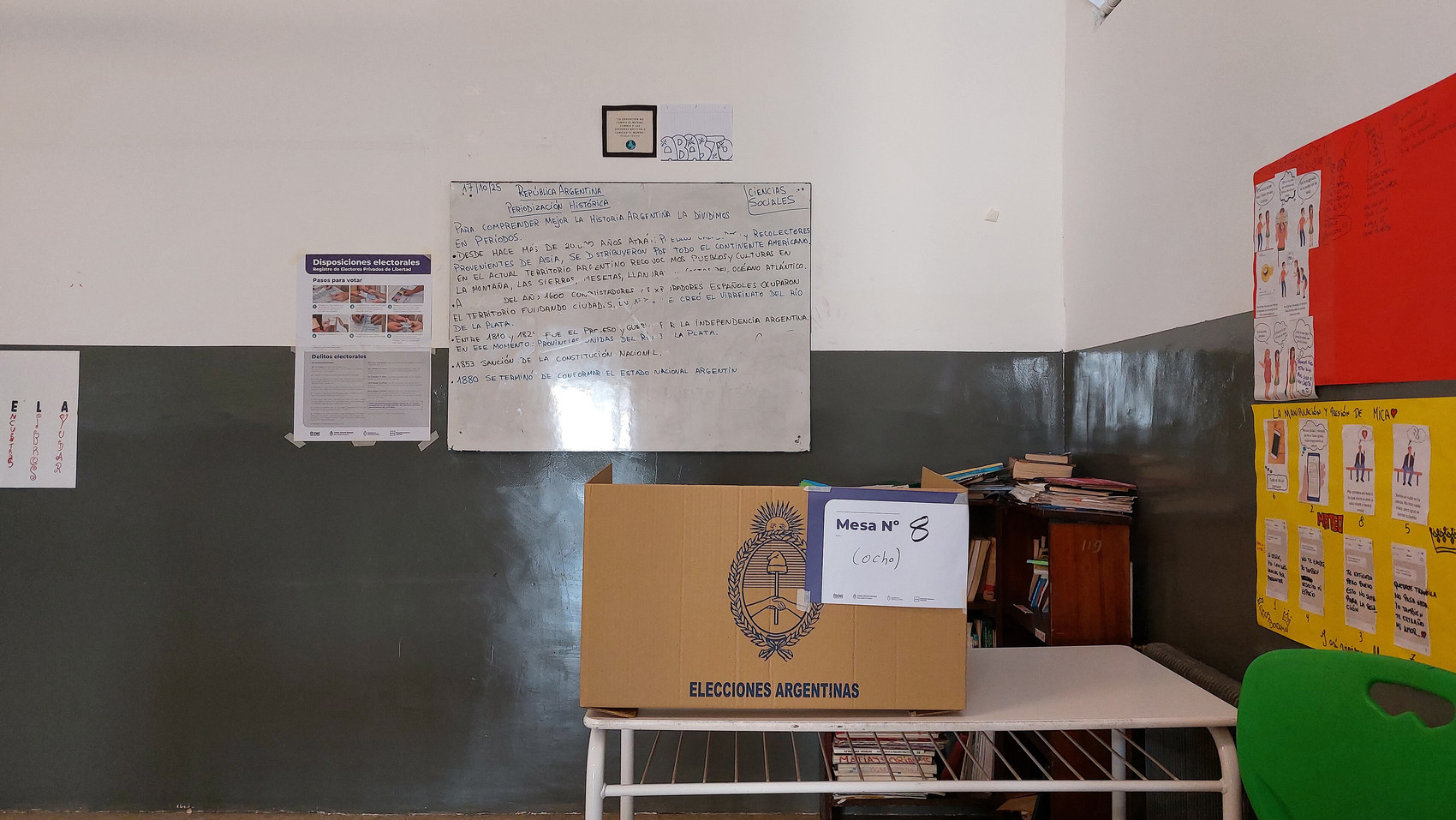
The primaries, known as PASO after the Spanish initials for open, simultaneous and compulsory primaries, were created by a 2009 law. Every party picks its candidates on the same day in August, and every registered voter must take part. The next one is due on Aug. 8, 2027, ahead of the October general election. Every voter must take part even when a party has only one candidate.
Congress has already suspended them once. For the 2025 midterm elections, lawmakers passed a one-time suspension, 43 votes to 20 in the Senate, after the government first asked for a full repeal and settled for one year.
What the Government Wants
The bill now before the Senate began as a full repeal that Milei announced in April. The text the committee signed suspends the primaries for 2027 only and leaves the 2009 law in place for later elections. Without primaries, parties would choose candidates under their own rules, by an internal vote or a deal.
An earlier draft let one presidential ticket appear alongside two parties, each with its own list of legislators, a system Argentines call colectoras, or list-sharing, which governors such as Mendoza’s Alfredo Cornejo had pressed for. The governing party dropped it on Nov. 18 to win votes, after former president Mauricio Macri’s PRO party and some provincial senators opposed it. The report keeps a clean-record rule, which bars from candidacy people whose convictions for intentional crimes have been upheld on appeal.
The government argues that parties should settle their candidates without state involvement. Diego Santilli, now the cabinet chief and the president’s top minister, said in April, when he was interior minister, that scrapping the primaries would save more than US$200 million.
Who Is Pushing and Who Is Resisting
Santilli negotiates with governors, and Patricia Bullrich, the governing party’s leader in the Senate, has to deliver the vote of the full Senate, amid tension between her and the presidential palace. When her party dropped list-sharing she said it was returning to “the model Argentines already know: one citizen, one vote, one list.” Bullrich has also said electoral rules cannot change in an election year, so the bill must pass by the end of December.
Governors hold the keys because their senators supply the votes, and some had wanted guarantees on places on shared lists before the provision was dropped. Radical governors such as Carlos Sadir of Jujuy and Maximiliano Pullaro of Santa Fe have said they could back suspending the primaries for 2027 but not scrapping them for good.
Peronism, the main opposition, is united in keeping the primaries. Germán Martínez, who leads its party group in the lower house, says the government is fixated on the change because it does not believe it can win a runoff. Martín Goerling, who leads the center-right PRO party’s senators, said the primary system should not be touched so close to an election and doubted the government has the votes. Governor Axel Kicillof of Buenos Aires province says primaries can settle the Peronist candidacy without a prior deal among former President Cristina Kirchner’s wing, former Economy Minister Sergio Massa’s party and his own movement, and he has called for a Peronist primary.
The Clock
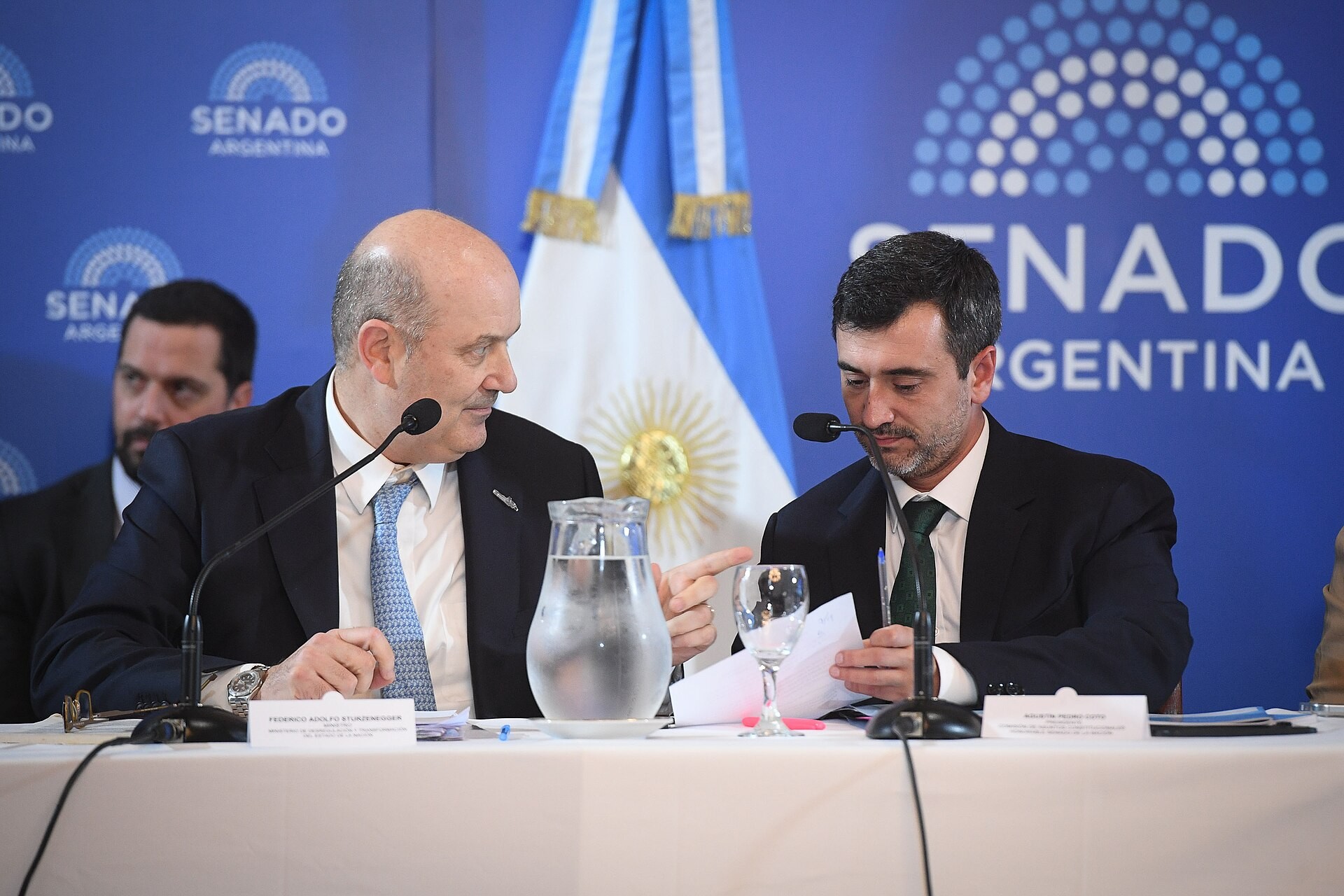
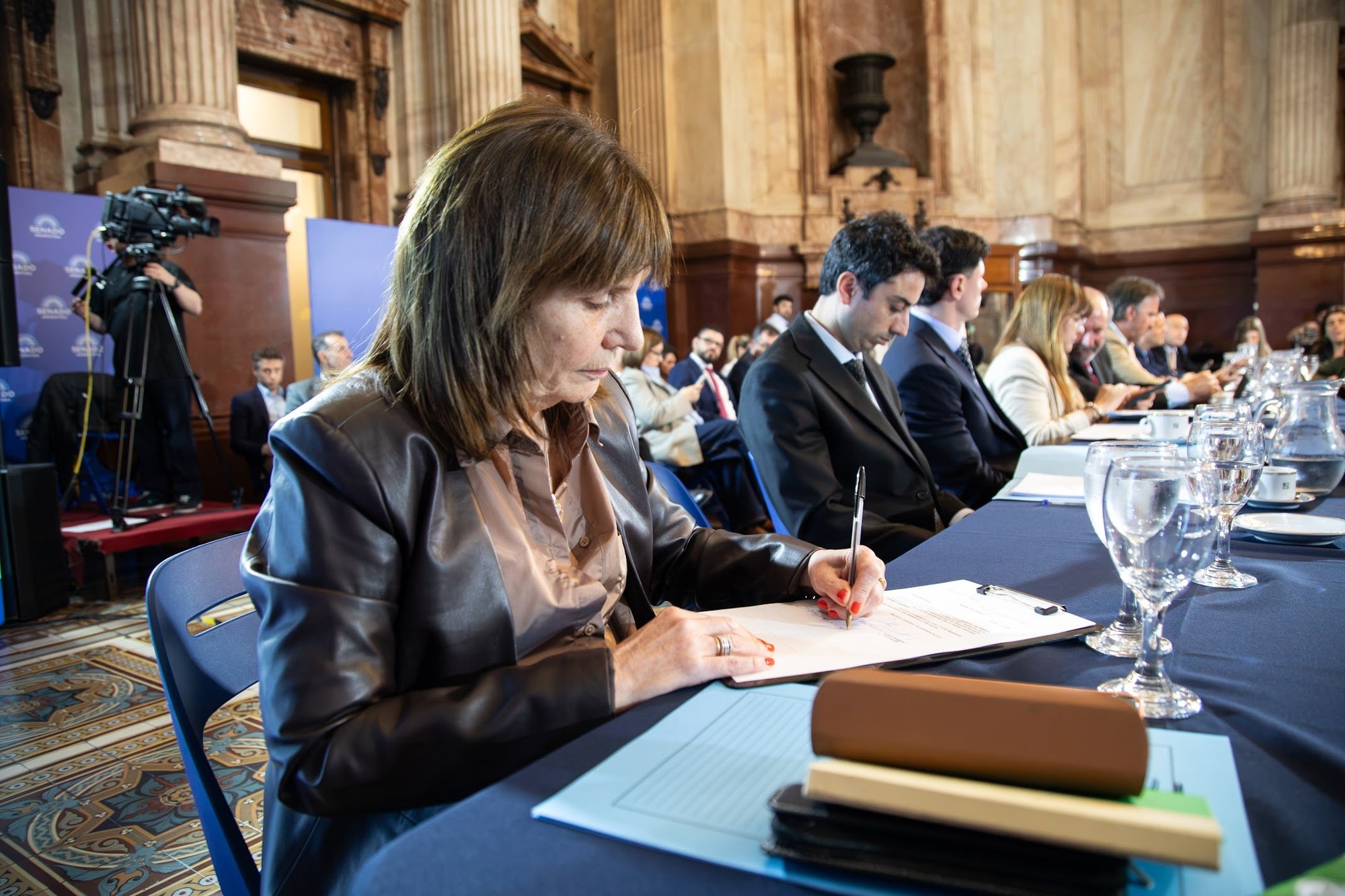
The Senate’s Constitutional Affairs Committee signed its report on Wednesday, Nov. 18, with 11 of its 19 members signing, one more than the 10 needed. A majority report is the step before a vote of the full Senate. Eight signed outright: the governing party’s six members and two Radical Civic Union senators. Two senators from Provincias Unidas signed in dissent, which puts their disagreement on record, and one Radical signed with a partial dissent. Peronist senators, who oppose the bill, complained that the text kept changing during the meeting and that the committee moved to signatures without debating the final version.
Infobae reported that the national electoral court has reminded the government in writing that changes should be made before the election year, which leaves little more than a month to settle how Argentina votes in 2027. One opposition deputy predicts that any approved law would be challenged in provincial electoral courts, then the national electoral court and finally the Supreme Court.
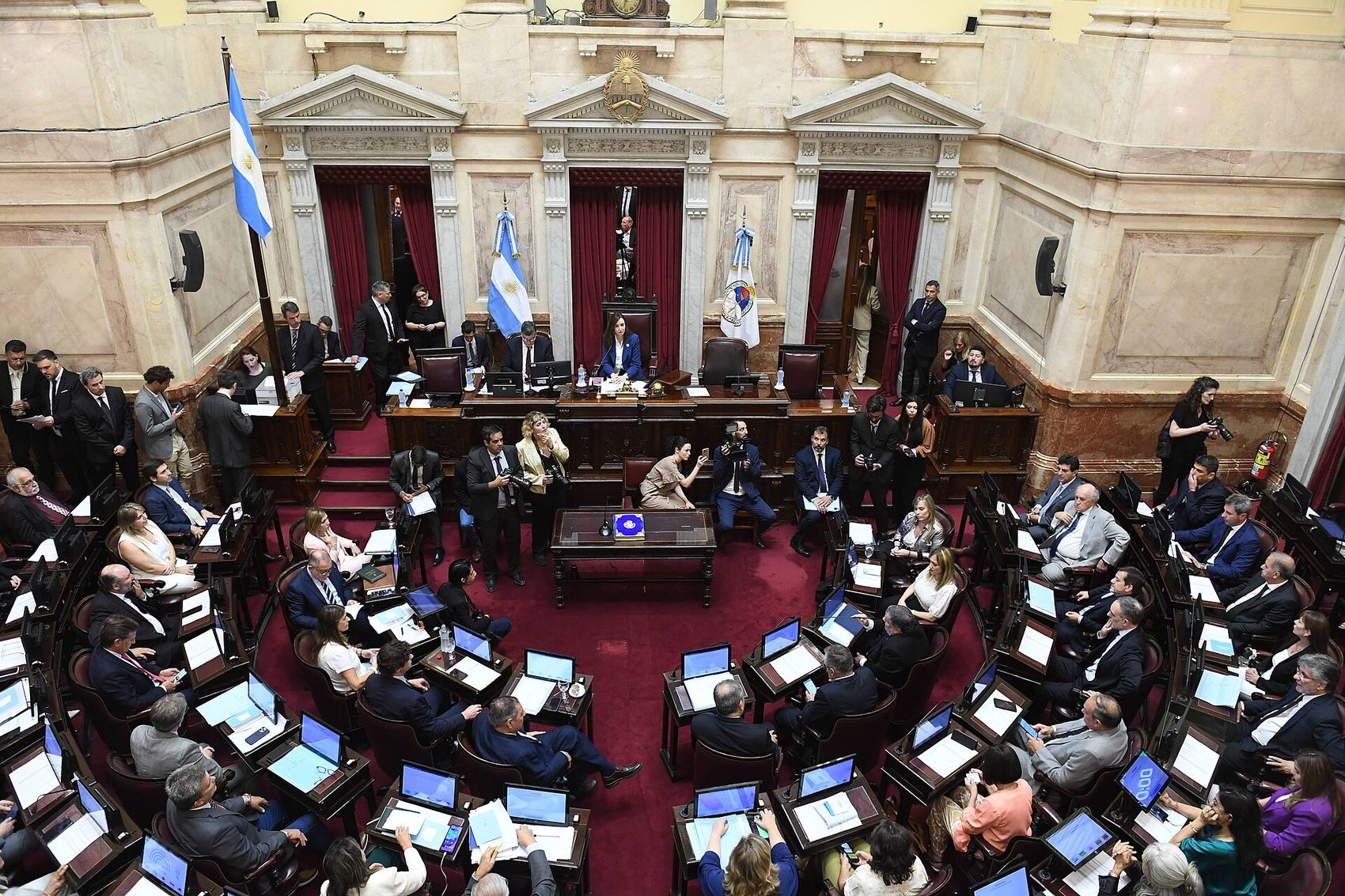
The governing party wants the full Senate to vote on Thursday, Nov. 26, and government officials say they have at least 38 votes, one more than the 37 an absolute majority of the 72 senators requires. It plans to ask the lower house to give final approval in extraordinary sessions, which the president calls outside the regular period that ends Nov. 30, in December.