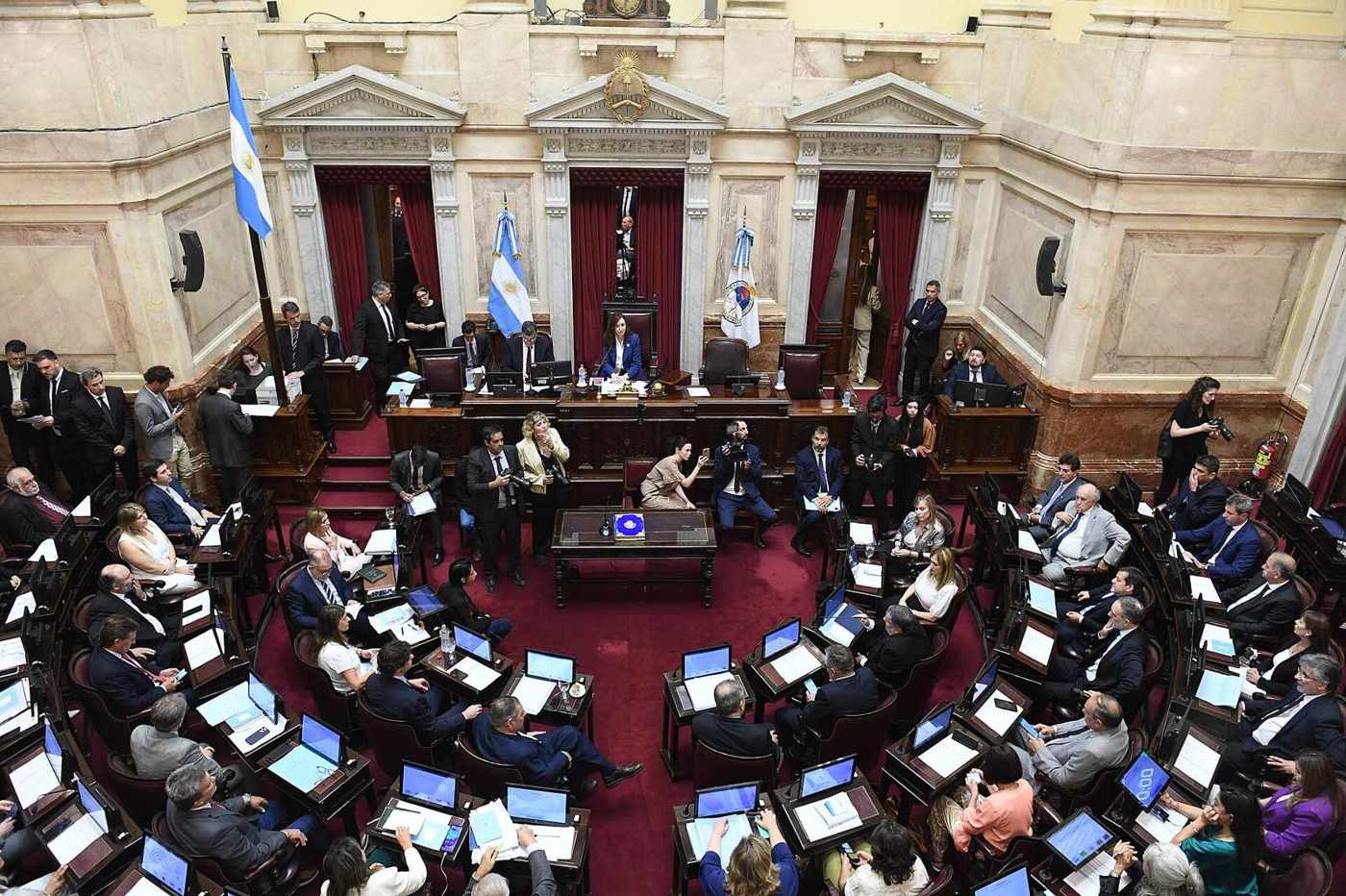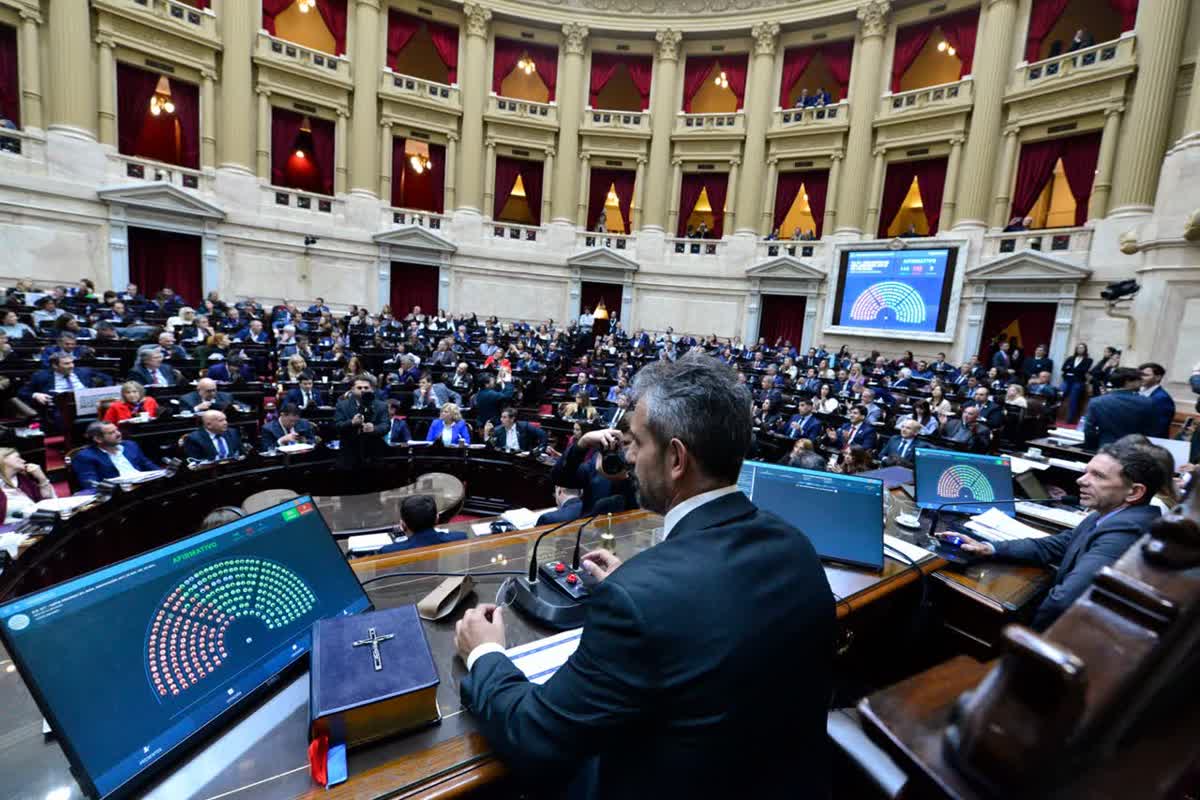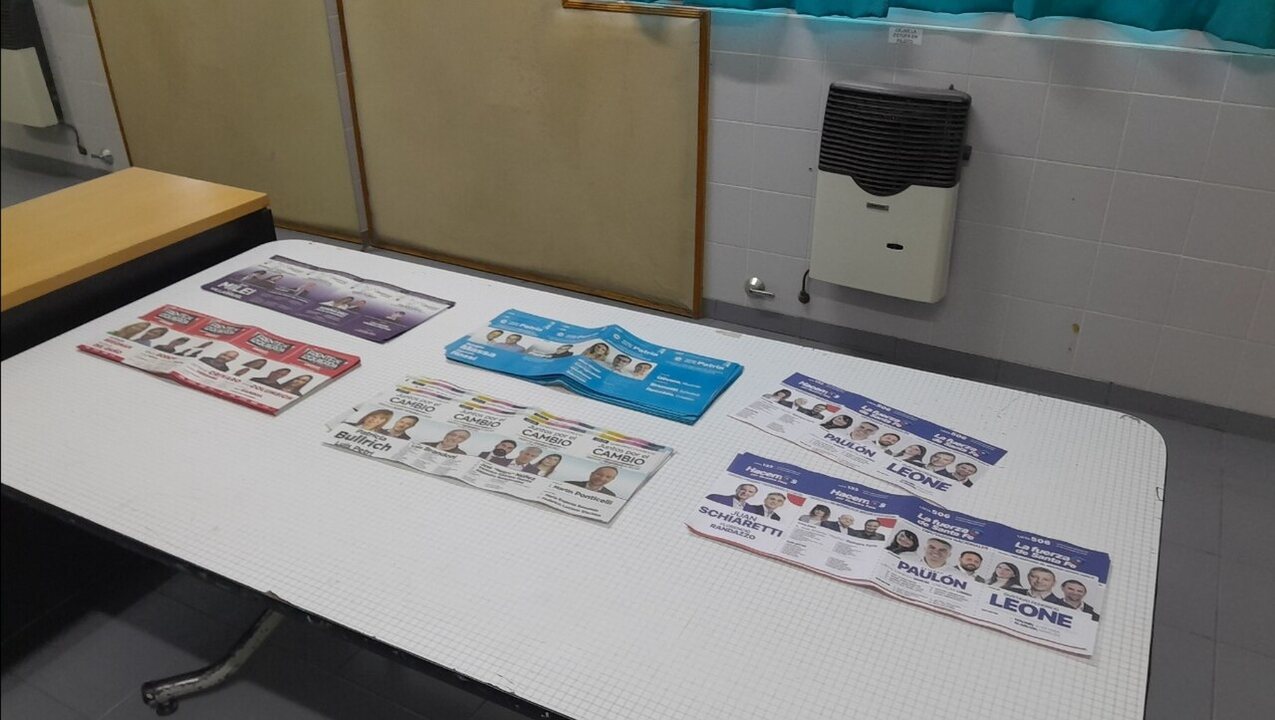
Argentina’s government does not yet have the Senate votes to scrap the national primaries, known as PASO, according to lawmakers and officials in the ruling bloc and opposition, though Chief of Cabinet Diego Santilli is said to claim he does.
According to accounts from inside the ruling bloc, Santilli told the government’s political table that he had the votes and that the Senate would pass the bill by mid-November at the latest. A ruling-party deputy relayed that when a colleague asked Santilli to count only the senators whose support was guaranteed, he reached 31. Changing electoral law takes an absolute majority, 37 of the 72 senators. “They are more expressions of wishes than realities,” a ruling-party operator said of Santilli’s claims.
By the count of firm supporters in those accounts, the total is lower: the 21 senators of Milei’s La Libertad Avanza party, plus provincial allies Julieta Corroza of Neuquén and two senators from Santa Cruz, for 24. The rest must come from the Radical Civic Union (UCR), the center-right PRO party and provincial parties.
The government counts seven of the UCR’s ten senators, but Carolina Losada, one of the seven, has said publicly that she rejects scrapping the primaries, and Maximiliano Abad is also opposed. Two more Radical senators have not taken a position. Senators say the PRO’s three senators lean toward rejecting it, and the two who answer to Tucumán Governor Osvaldo Jaldo, a Peronist who has helped the government in Congress, are also against.
Governors hold the keys, and neither side wants to move first. They want guarantees that no rival will run against them at home before they commit, a veteran official with access to the ruling bloc’s Senate leader said, while the government wants the vote first. Radical governors including Carlos Sadir of Jujuy and Maximiliano Pullaro of Santa Fe have said they could back suspending the primaries for 2027 but not scrapping them for good, and sectors of the UCR are asking for a ballot arrangement that lets governors run provincial lists linked to Milei’s candidacy.
The Peronist opposition is trying to head that off. Sergio Massa, the former economy minister, visited former President Cristina Kirchner at her home on Friday, Oct. 16, and the Senate vote count was one of the topics, according to people briefed on the meeting. Those sources said Kirchner’s camp and Massa’s share a message for Peronist governors friendly with Milei: help scrap the primaries and a Peronist challenger could be waiting at home. “Those who collaborate with Milei will have to face, in their own territories, a fellow Peronist who competes with them,” one senior opposition source said.
For Peronists the primaries are the simplest way to settle a three-way contest among Governor Axel Kicillof of Buenos Aires province, Kirchner’s circle and Massa. Without them, a figure close to Kicillof said, “in every scenario they will have to come together, or it is giving away the election.” Massa, Kicillof and Kirchner’s son Máximo are all working against the repeal, though Kirchner and her son still are not speaking to Kicillof, who on Saturday defended Kirchner and predicted an opposition win in 2027.