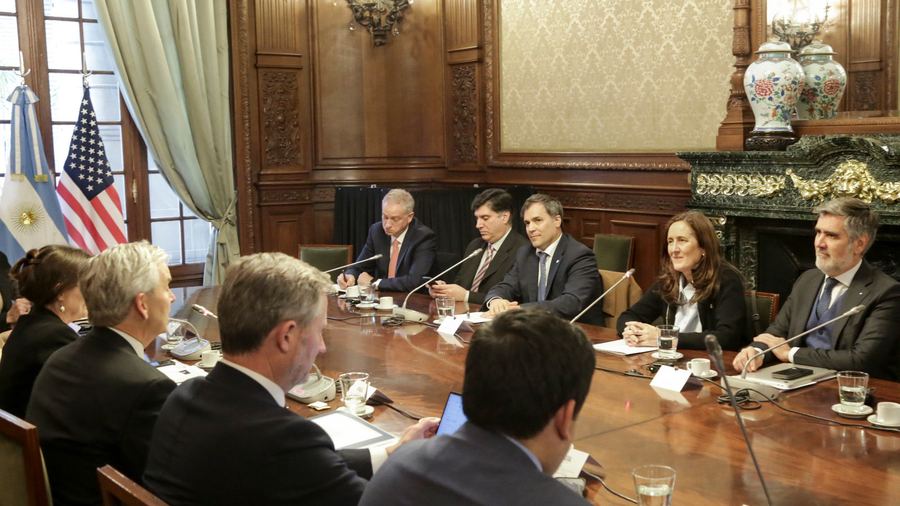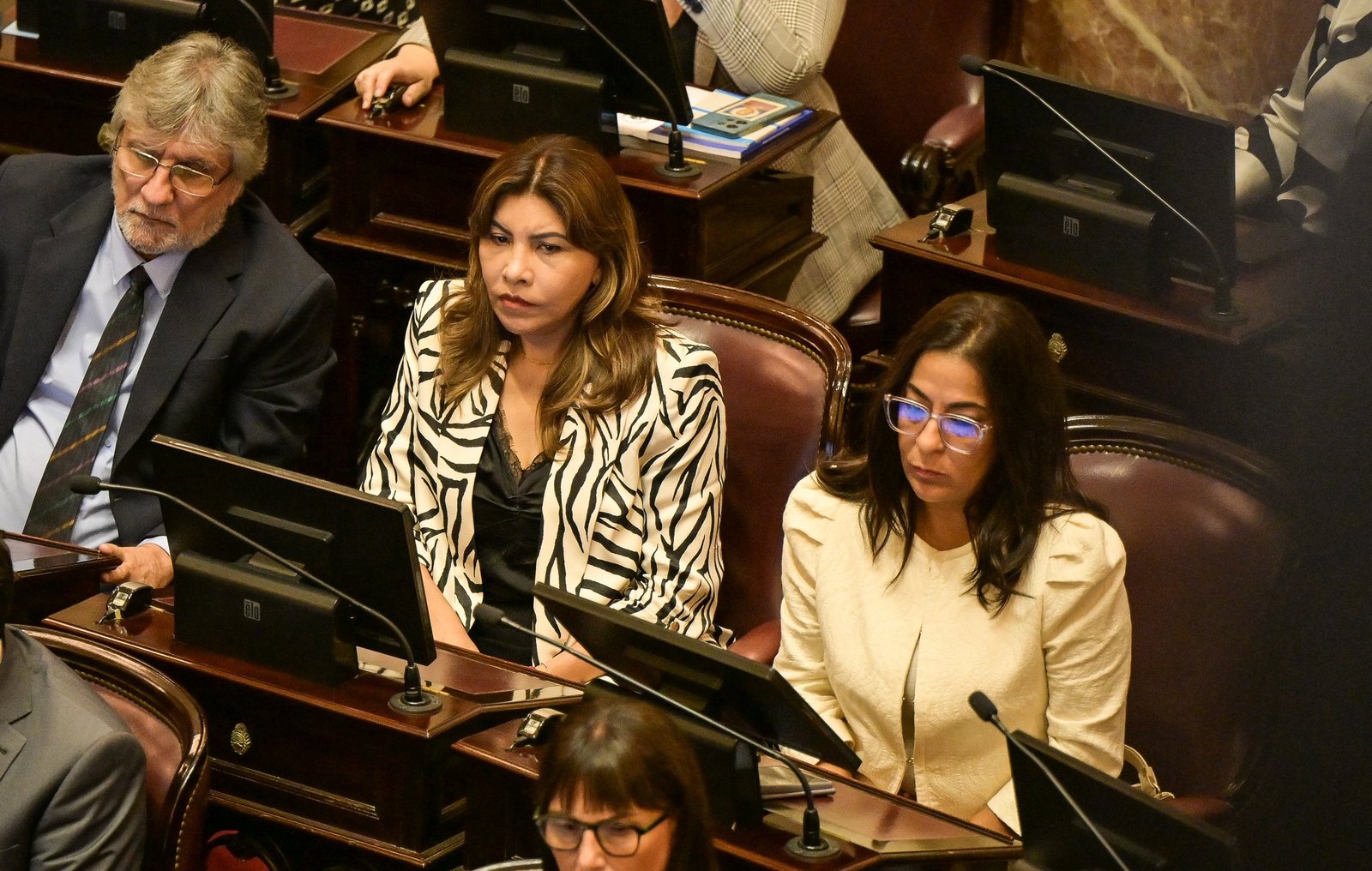
Two Senate committees approved on Thursday, October 15, Argentina’s accession to the Patent Cooperation Treaty (PCT), a commitment in its trade deal with the United States, and the ruling party wants a floor vote as early as October 22.
The PCT, run by the World Intellectual Property Organization (WIPO), lets an inventor file a single international patent application that counts in every member country at the start. It does not create a worldwide patent: each country’s patent office still decides whether to grant one. For Argentine scientists, universities and small companies, the main change is one filing, a standard prior-art search and more time to decide where to seek protection. Argentina signed the treaty in 1970 and is, as Senate Foreign Relations chair Francisco Paoltroni put it, one of the few countries not in it.
The Senate approved it in 1998, but the Chamber of Deputies never took it up until August 27, when it voted 147 to 93 in favor. Deputies attached a reservation on Chapter II, the optional preliminary examination of whether an invention is new and patentable. With the reservation, Argentina will not apply that step, and the national patent office, known as INPI, keeps the full examination in Argentina. Because the text changed, it returned to the Senate, whose committees accepted the change.
The reservation answers domestic drug makers. Their chamber, CILFA, warned that Chapter II could let foreign companies win extra patents on minor changes to existing medicines, a practice called evergreening that prolongs exclusivity and delays cheaper competitors. Other countries have joined the treaty without that chapter.
Joining is one of Argentina’s commitments in the reciprocal trade agreement signed with the United States in February, which set an April 30 deadline for approval that passed. US Ambassador Peter Lamelas has publicly urged lawmakers to approve it. The accession is also listed in Argentina’s trade agreements between Mercosur, the South American customs bloc, and both the European Union and the EFTA group of European countries. The government signed an additional protocol with Washington on October 14.
The ruling La Libertad Avanza party won signatures from the UCR, PRO and Convicción Federal blocs. Senator Guillermo Andrada, of Convicción Federal, signed in dissent, saying he is unsure the INPI can handle more applications. Patricia Bullrich, the ruling bloc’s leader, said the treaty “does not create a world patent, does not oblige Argentina to grant patents” and does not take away its power to decide which inventions deserve protection. Peronist Senator Jorge Capitanich asked for a cost-benefit analysis, saying that otherwise “we increase the degree of dependence.”
Guests invited by the opposition said more patents will push up medicine prices and strain public and union-run health insurers. Bullrich replied that drugs are already expensive in Argentina. Deregulation Secretary Alejandro Cacace welcomed the vote: “Less bureaucracy for those who invent in Argentina and want to go global.”
The ruling party is aiming for a Senate session on Thursday, October 22, that could also take up a mental health law reform and a carbon market bill. A Senate vote to accept the Deputies’ change would complete congressional approval of the treaty.