Argentina’s government has demanded that the University of Buenos Aires (UBA) stop a Dec. 10 tribute to Mario Roberto Santucho, a 1970s guerrilla leader, and sanction the people organizing it.
Alejandro Álvarez, the Human Capital Ministry’s undersecretary for university policy, made the demand in a letter to UBA’s rector, Ricardo Gelpi. The ministry announced it on X on Sunday night. The letter demands that Gelpi take “the necessary administrative measures” to prevent the event and impose sanctions on its promoters, and asks him to report any disciplinary steps.
The letter calls Santucho a “terrorist leader” and says the tribute promotes a person who publicized his crimes, “praising, justifying or glorifying terrorist acts.” In the ministry’s reading, that would expose the responsible university officials to criminal liability, and they would breach their duties as public officials by using university facilities and public resources for purposes outside a university’s legal remit.
The ministry cannot cancel the event itself. National universities are autonomous under the Constitution, and Álvarez said in an interview Monday that the decision belongs to UBA’s rector, deans and governing council.
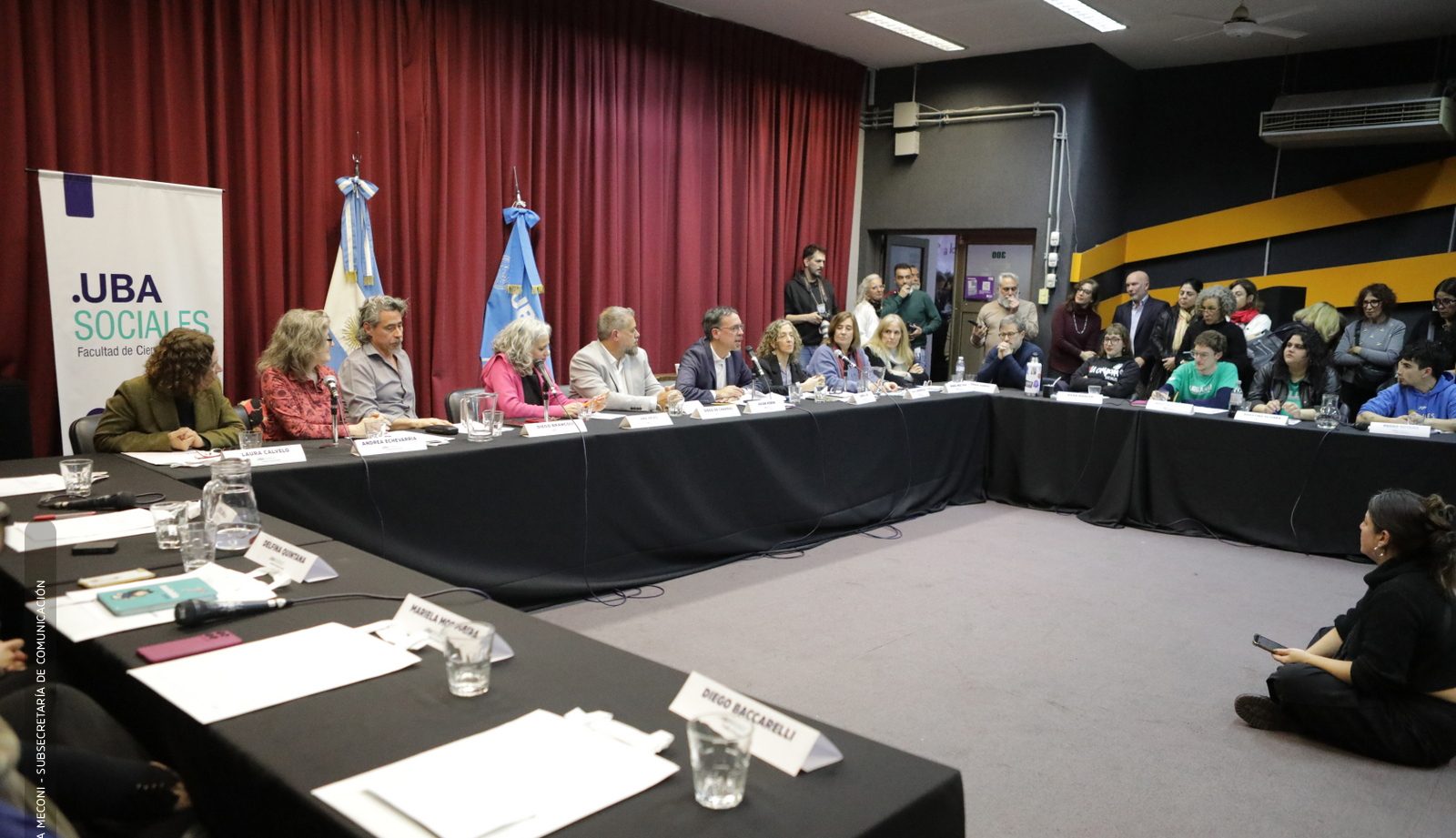
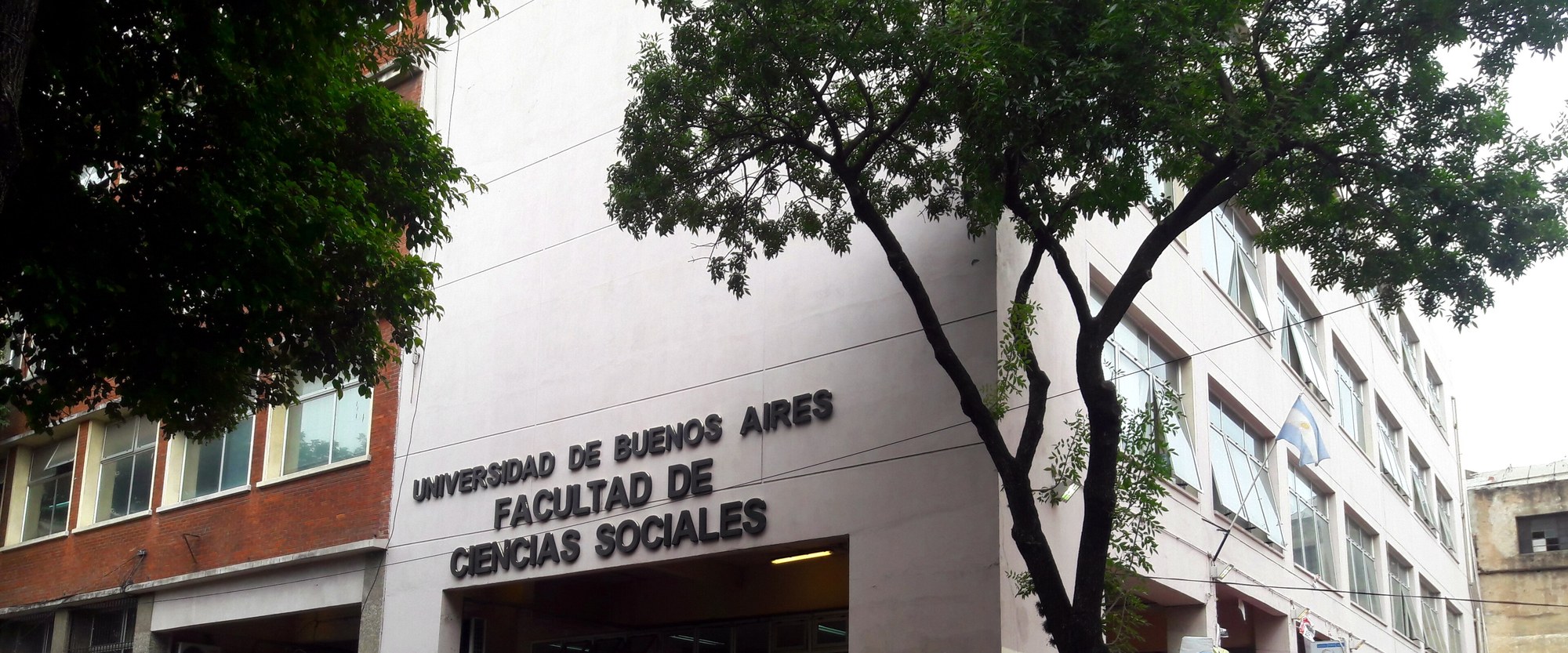
The event is set for 6 p.m. on Dec. 10, the anniversary of the 1983 return to democracy and International Human Rights Day, in a courtyard of the Faculty of Social Sciences building in Buenos Aires’ Constitución district. The Contramuro cultural collective and a sociology course led by Pablo Bonavena are organizing it. It includes a relief sculpture dedicated to Santucho, donated by Contramuro, and closing remarks by his son, the sociologist and writer Mario Santucho. The faculty’s governing board declared the event of institutional interest on Oct. 27, citing Santucho’s career as a political actor in Argentina and Latin America and the faculty’s commitment to memory, truth and justice on human rights.
Dean Ana Arias said in an interview Monday that a group wanting to honor a leader it values should be able to do so in a plural university, and that she was not vindicating the period of armed struggle. The honoree’s son, Mario Santucho, called the campaign against the event a far-right offensive meant to stop people from remembering those who joined popular struggles and whose bodies are still missing, and said the event will go ahead unless the rector’s office censors it.
Arturo Larrabure, whose father, an army colonel, was kidnapped by Santucho’s group, the ERP, in 1974 and died in captivity a year later, said statues honoring Santucho cause him deep pain.
On Sunday, people close to the rector’s office said at first that the university would not block the event, citing academic freedom, then said it was weighing “some kind of measure” against it. That night, Vice-rector Emiliano Yacobitti wrote on X that he rejects the tribute and will ask UBA’s governing council to take the same position.
Rechazo la propuesta de homenaje a Mario Santucho, quien atentó con las instituciones estatales en el periodo democrático 1973/76. Como Vicerrector de la UBA estoy convencido que la Universidad no puede ser el ámbito de un reconocimiento a ninguna persona que haya usado la violencia contra el régimen democrático. En nuestra Universidad se estudian científica y críticamente todos los periodos históricos, respetando la máxima pluralidad teórica e ideológica. Pero los homenajes deben estar reservados para quienes se destacan por sus aportes en ciencia, tecnología y en la vida pública siempre dentro del respeto a la democracia, como lo indica nuestro Estatuto y la Constitución Nacional. Por eso voy a presentar un proyecto en el Consejo Superior para que el órgano de gobierno de la Universidad se expida en el mismo sentido.
Translation: "I reject the proposal to pay tribute to Mario Santucho, who attacked state institutions in the democratic period of 1973-76. As Vice-Rector of UBA, I am convinced that the University cannot be the setting for recognition of anyone who has used violence against the democratic system. At our University all historical periods are studied scientifically and critically, with the greatest theoretical and ideological pluralism. But tributes must be reserved for those who stand out for their contributions to science, technology and public life, always within respect for democracy, as our Statute and the National Constitution provide. That is why I will present a proposal to the Consejo Superior so that the University's governing body takes the same position."
Yacobitti, who is due to succeed Gelpi as rector on Dec. 11, the day after the event, has also been one of the most visible university leaders in the months-long fight with the government over university funding. The governing council meets Wednesday, Nov. 25.