A federal judge ordered searches at two banks on Friday to learn whether their managers and staff knowingly helped the money laundering for which financier Ariel Vallejo has been formally charged.
Vallejo owns Sur Finanzas, a currency-exchange and payments group that lent money to football clubs. Argentine news reports describe him as close to Claudio “Chiqui” Tapia, president of the Argentine Football Association (AFA). Judge Juan Tomás Rodríguez Ponte, of a federal court in Lomas de Zamora, south of Buenos Aires, formally charged Vallejo on November 6, the step before a possible trial, with leading a criminal group that laundered money. Vallejo has denied running an illegal currency network and is in pretrial detention at home with an ankle monitor. Tapia is not among those charged in this case.
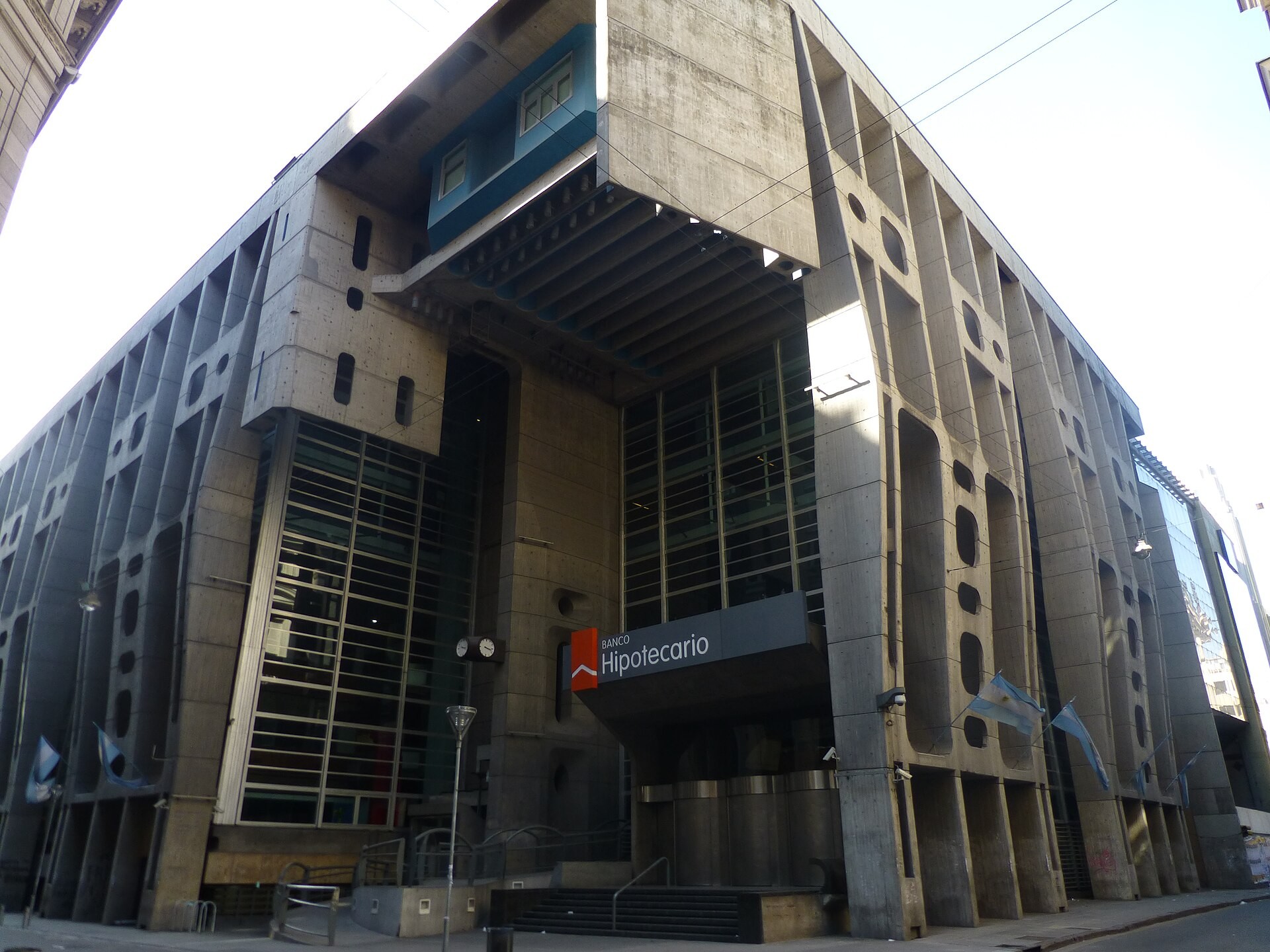
The judge ordered searches of Banco Industrial (BIND) and Banco Hipotecario, which Federal Police carried out at four sites in Buenos Aires city and in San Justo, in the suburb of La Matanza. According to La Nación, Hipotecario said it was not a raid but a procedure to hand over documents the court had requested. Investigators took an external hard drive holding files from a bank’s cloud storage, internal emails about contacts with Sur Finanzas, customer files, suspicious-transaction reports and minutes of an anti-money-laundering department.
Court sources said the judge is examining whether managers and staff took part in possible money laundering, concealment of a crime and unlawful association (a criminal group), and whether the banks failed in their legal duty to report suspicious transactions to the UIF, the financial intelligence unit. Suspicious activity in an account does not by itself make a bank’s managers criminally liable; the searches aim to establish who knew what. This is a different case from the Pilar mansion case the Supreme Court moved to Judge Daniel Rafecas on Thursday, which centers on an estate investigators link to the football association’s treasurer.
The main focus is a collection account at BIND used by Sur Finanzas’ payments arm. It received 1.73 trillion pesos (about US$1.1 billion at the central bank’s Nov. 20 rate) between January 2024 and October 2025, the case file shows.
In July 2024, the bank’s compliance manager told Sur Finanzas the account would be closed, according to the case file. It stayed open, and more than 80% of the money in it arrived after the closing date set in that notice. The bank later offered the firm new digital services and closed the account in November 2025. The judge wants to know how much BIND earned from the relationship, and ordered the seizure of board minutes, risk and compliance committee records, internal emails and account-approval files to establish who decided to keep the account open.
At Hipotecario, investigators are looking at transfers from Sur Finanzas’ account to another payments firm, Pagos Dica, in the month to December 1, 2025: 14.9 billion pesos in all, 2.16 billion of it on the day police raided Sur Finanzas. The judge’s order to detain Vallejo in late October listed the transfers among alleged maneuvers to keep money out of reach of asset freezes.
BIND said in early November, when the court first asked it for documents, that neither the bank nor its shareholders or officials were part of the complaint behind the case and that it was cooperating.